Store-bought hummus hides two problems. It often tastes flat, and it is built to survive weeks in a fridge. Fresh hummus is different. It should taste bright, feel airy, and spread without dragging. The hard part is texture. Chickpea skins, thick tahini, and roasted pepper pulp can turn gritty fast.
This recipe is designed as a Ninja BL642 thickness test. It checks whether the blade stack can pull a dense paste down into repeated contact, and whether Auto iQ pauses prevent the “stuck ring” that forms on the cup walls. If you are still comparing which machines stay consistent on dips, nut bases, and heavy purees, use the buyer-oriented blender testing directory that shows how different models behave when recipes get thick.
You are not just making hummus. You are learning paste-phase control.
Performance Framing
Roasted red pepper hummus stresses a blender in a specific way. It starts as dry crumble, then becomes paste, then finally becomes a smooth emulsion. The middle stage is where most machines fail. The mixture is heavy. It resists circulation. Blades spin in a pocket, and the rest sits still.
The Ninja BL642 is built for this stage because it uses a stacked extractor blade column in the personal cup and a total crushing assembly in the pitcher. Both designs are better at vertical recirculation than a single bottom blade.
This version keeps the water low at the start. That forces true refinement. You add water only after the paste phase breaks. That is how you get hummus that tastes concentrated and still spreads easily.
Table of Contents
Ingredients
Yields about 2 cups.
- 1 can chickpeas, 15 oz, drained and rinsed
- 1 large roasted red pepper, or ½ cup jarred, drained well
- ¼ cup tahini
- 2 tablespoons extra virgin olive oil
- 2 tablespoons fresh lemon juice
- 1 clove garlic, peeled
- ½ teaspoon cumin
- ¼ teaspoon smoked paprika
- Salt to taste
- 2 to 4 tablespoons water, added gradually
Optional finishing:
- Extra olive oil drizzle
- Paprika pinch
- Chopped parsley
Step-by-Step Instructions With Blending Cues
1 Prep for smoother chickpea texture
Rinse chickpeas until the foam stops. Drain well. If you want extra silkiness, rub chickpeas in a towel to loosen skins. You do not need to remove every skin. Even removing a portion helps.
Pat roasted the pepper dry. Excess liquid makes the blend slippery early and reduces refinement.
2 Load to avoid powder pockets
Add chickpeas first, then tahini, lemon juice, olive oil, garlic, cumin, paprika, and a pinch of salt. Add only 1 tablespoon of water to start.
This order keeps tahini from coating the cup walls too early.
3 Trigger the paste phase break
Use the Dip or Puree Auto iQ program if available. If blending manually, pulse 6 to 8 times, then blend 20 seconds, then pause.
During the first cycle, expect a thick paste. Use a spatula to scrape the walls once if needed. Do not add more water yet unless the blades stall.
Blending cue: when the mixture changes from crumbly to glossy paste, the system is working.
4 Add water in controlled steps
Add 1 tablespoon of water. Run another short cycle. Repeat until the hummus becomes creamy and spreads easily. Most batches need 2 to 3 tablespoons total.
Blending cue: a smooth hummus makes a quiet, steady sound. A gritty hummus sounds sandy and harsh.
5 Finish and serve
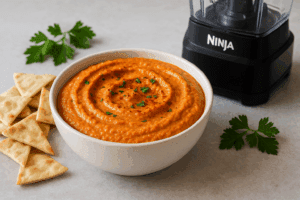
Spoon into a bowl. Create a shallow swirl. Add olive oil and paprika. Serve with pita, cucumbers, carrots, or as a sandwich spread.
If you want more recipes built around blender behavior like paste handling, emulsions, and frozen load control, explore the recipe collection that organizes blends by what they teach you about blade flow and texture outcomes.
Why It Works in the Ninja BL642
This hummus succeeds in the BL642 for one reason. It keeps ingredients moving when they want to stick. The blade column pulls paste downward, and the Auto iQ cadence gives heavy mixtures time to drop back into the cutting zone. That cycle is the difference between silky and gritty.
It also helps that you can choose the container that matches your batch size. The personal cup is ideal for smaller, thicker blends because the walls are narrow. The 72 oz pitcher is better for doubling, but you will usually need a touch more water to maintain circulation.
If you want the full mechanical breakdown of how this model handles dips, smoothies, and frozen blends across real use scenarios, read the hands-on Ninja BL642 performance review that digs into torque feel, blade design, and Auto iQ repeatability.
Texture Control and Technique Section
The fastest way to make hummus taste thin
Adding too much water early creates a loose puree that never becomes creamy. It tastes diluted. It also traps air in a foamy layer. Start thick. Earn smoothness first. Then adjust spreadability.
How to get lighter, whipped hummus
After the hummus turns smooth, add 1 extra tablespoon of water and blend for 10 seconds. That final burst incorporates a little air. It makes a fluffier dip.
How to get denser, restaurant-style hummus
Use less water. Increase tahini by 1 tablespoon. Blend longer in shorter bursts. The goal is a tighter emulsion with a glossy finish.
Garlic strength control without bitterness
Raw garlic can taste sharp when overprocessed. For a softer flavor, crush the clove first, let it sit 5 minutes, then blend. That reduces harshness.
Why My Hummus Is Gritty Even After Blending
Grit usually comes from chickpea skins or from stopping during the paste phase. If the mixture never becomes glossy, it never finished refining.
Fix it by scraping the walls once, then running another cycle before adding more water. If you want a guaranteed smooth result, use softer chickpeas. Simmer canned chickpeas for 10 minutes, then cool and drain. Softer beans refine faster.
How to Fix Hummus That Is Too Thick in a Personal Cup
Personal cups concentrate paste. That is good for refinement, but it can choke circulation if you overfill.
Keep total volume below the max fill line. Add water 1 tablespoon at a time. Between cycles, tap the cup on the counter to settle air pockets. That small move often restores blade contact.
Tahini Swap Without Losing Creaminess
Tahini provides fat and an emulsifying body. If you skip it completely, hummus can taste chalky.
A good swap is sunflower seed butter for a nut-free option. Greek yogurt also works, but it changes the flavor and reduces shelf life. If you use yogurt, serve it within two days.
Roasted Pepper Moisture Problems
Jarred roasted peppers vary. Some are packed in vinegar brine. Some are packed in oil. Excess liquid can make hummus watery and sharp.
Drain well and pat dry. If the peppers taste acidic, rinse quickly and dry again. That keeps flavor balanced and texture stable.
Storage and Batch Planning
Refrigerator: Store in an airtight container up to 5 days. Press plastic wrap onto the surface to reduce drying. Stir before serving.
Freezer: Freeze in small portions up to 2 months. Thaw overnight in the fridge. Stir, then blend for 10 seconds if separation appears.
Meal prep: Make a double batch for lunches. Portion into small jars. Add a thin olive oil layer on top to slow drying.
The Questions People Actually Have Before Making Thick Dips
Can I use dried chickpeas instead of canned?
Yes, and it can be smoother if cooked fully. Cook until the chickpeas crush easily between fingers. Undercooked chickpeas are the most common cause of gritty hummus.
Is tahini required for an authentic texture?
It is not required, but it helps a lot. Tahini adds fat that supports a creamy emulsion and reduces chalky mouthfeel. If you replace it, choose a fat-rich substitute.
How do I make it spicy without ruining the texture?
Add cayenne, smoked chili flakes, or a small amount of chipotle powder. Dry spices do not affect texture much. If you add fresh peppers, drain them well first.
Will this work in the 72-oz pitcher?
Yes, especially for doubling. For a single batch, the personal cup often refines faster because it is narrower. In the pitcher, you may need slightly more water to keep circulation moving.
Is it vegan and gluten-free?
Yes, as written. Just check your tahini and spices for additives if you are strict. The dip itself contains no gluten ingredients.
Skill Building and Appliance Mastery
This hummus teaches you how the BL642 behaves when the mixtures stop flowing. You learn what a stalled paste sounds like, and how Auto iQ pauses can recover circulation. That skill transfers to nut butters, thick smoothie bowls, and dense sauces.
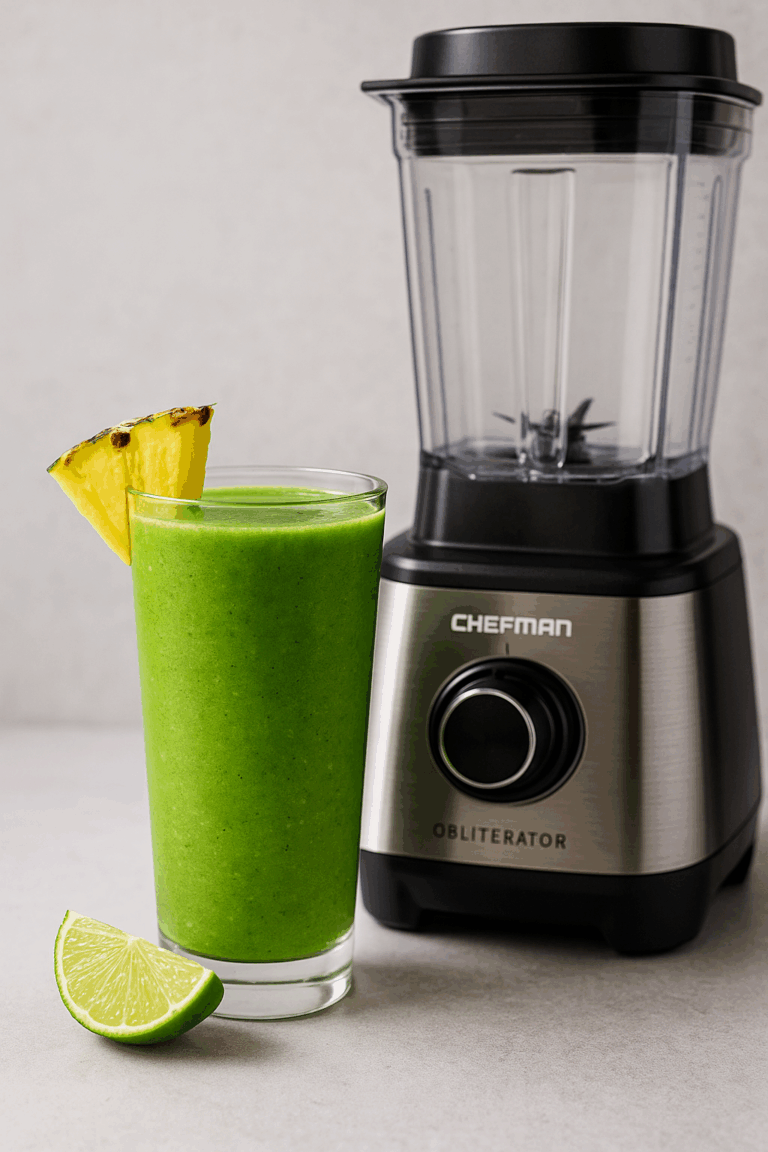
If you want a contrasting BL642 blend that focuses on leafy fiber suspension and liquid vortex stability, make the tropical green smoothie built to test how the BL642 handles greens without leaving stringy fragments.
Once you can refine chickpea paste into a clean emulsion, most other blends feel easy.
Final Takeaway
Creamy roasted red pepper hummus is a perfect BL642 ownership recipe. It stresses the blender in the exact zone where thick dips usually fail, the paste phase. When you manage ingredient loading, water timing, and cycle selection, you get a smooth spread with bold roasted flavor and no grit.
Make this once, and you will understand how to control thick blends instead of fighting them. That is how appliance confidence compounds.