A blender can prepare much more than a basic fruit smoothie. Depending on its container, controls, and approved uses, it may also help with protein shakes, sauces, dips, pureed soups, frozen drinks, and some food-preparation tasks.
This collection brings together IMSolutionRealm’s blender recipes in one place. Some recipes work with most countertop blenders. Others require a personal cup, large pitcher, food-processing attachment, or a model approved for handling particular ingredients.
Always check the instructions for your exact appliance before starting. Container capacity, ingredient order, maximum operating time, and restrictions involving hot liquids differ between models. If those details remain unclear, you can match recipes to the container and restrictions of your specific blender before choosing what to make.
Latest Blender Recipes
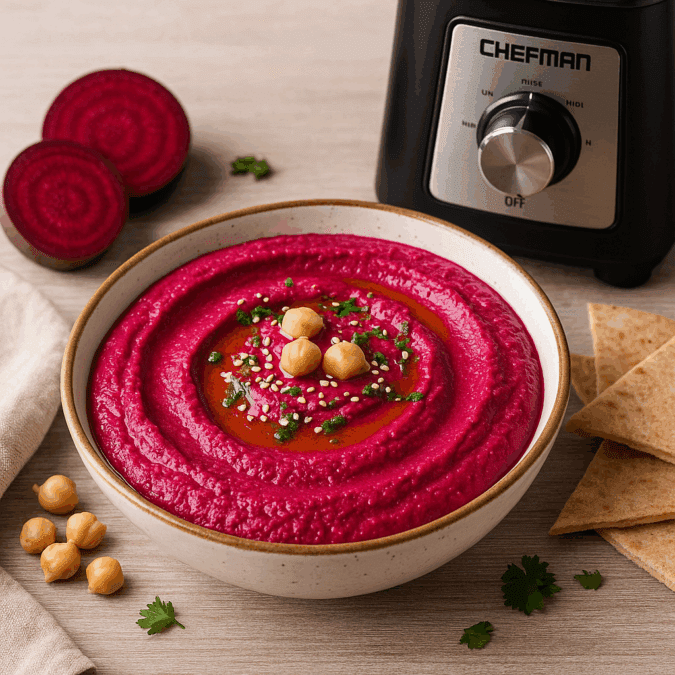
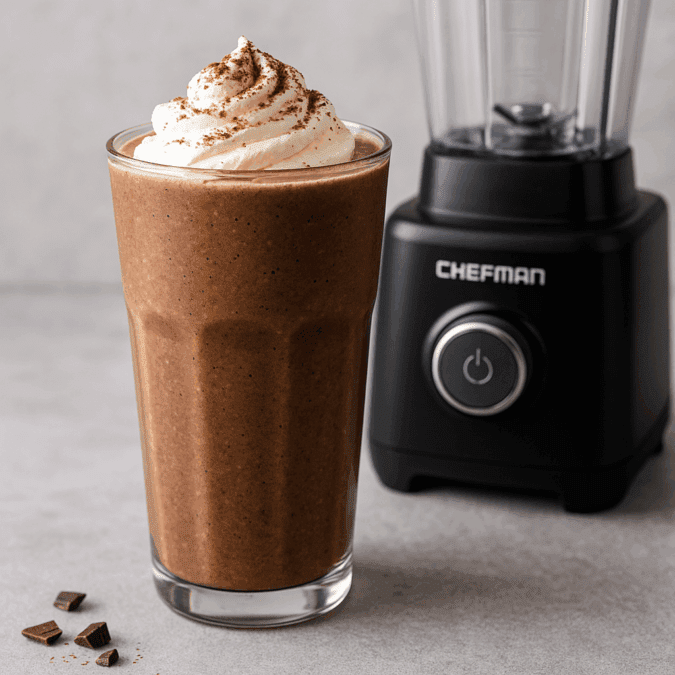
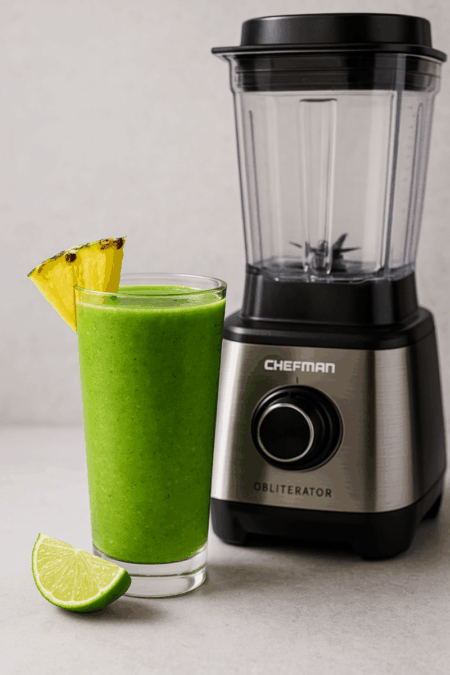
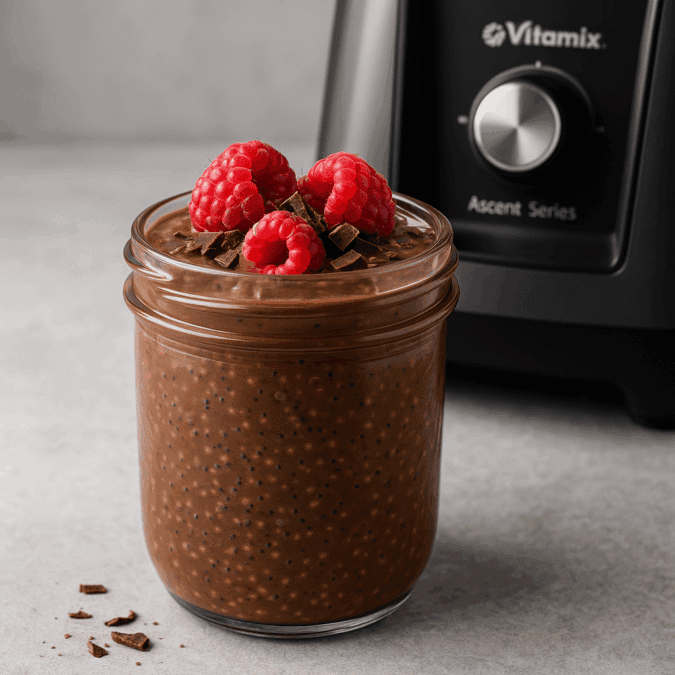
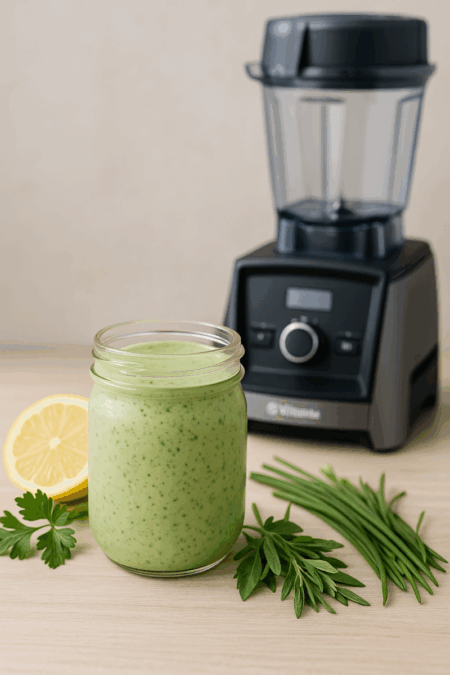
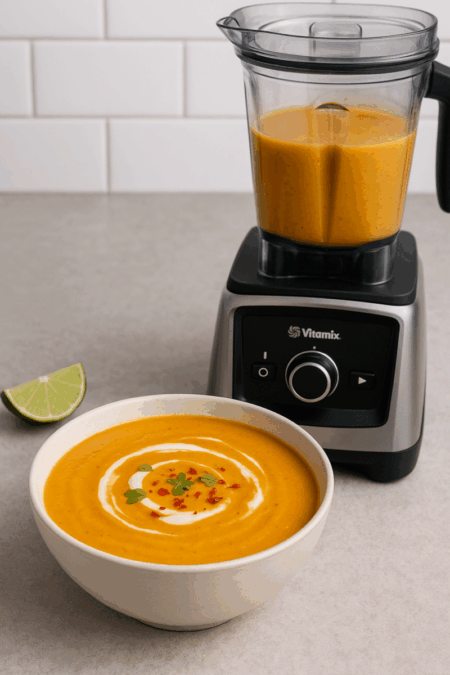
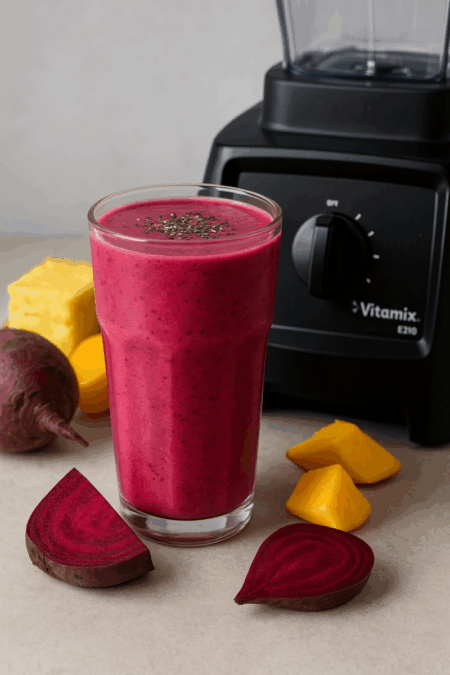
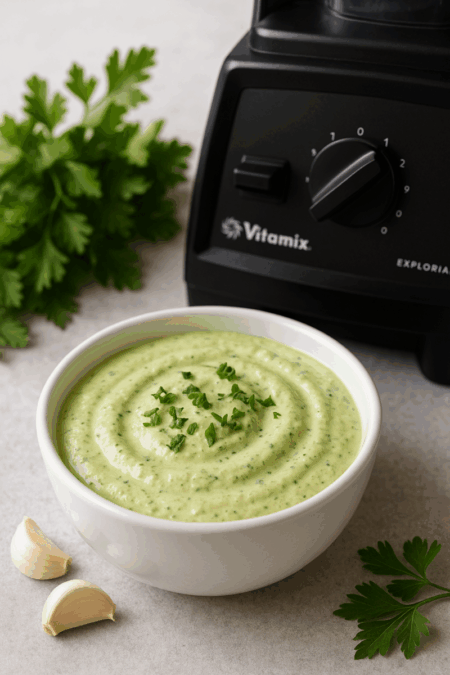
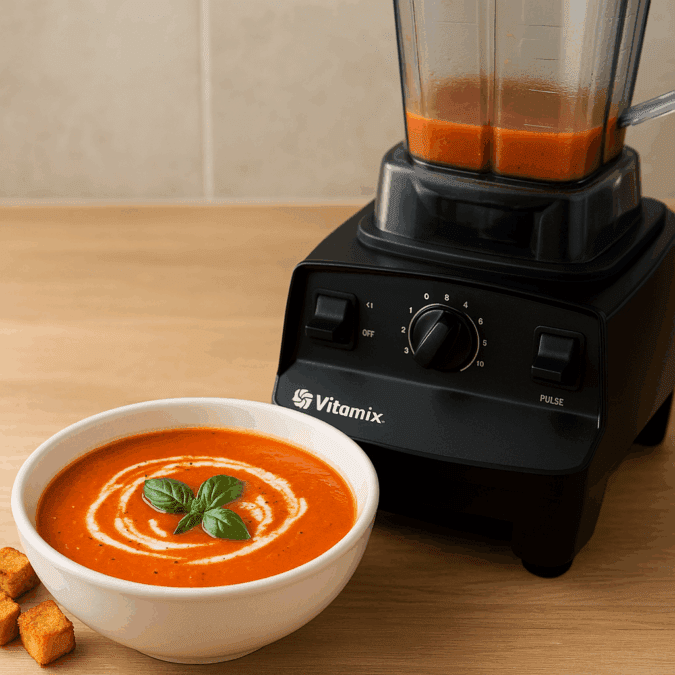
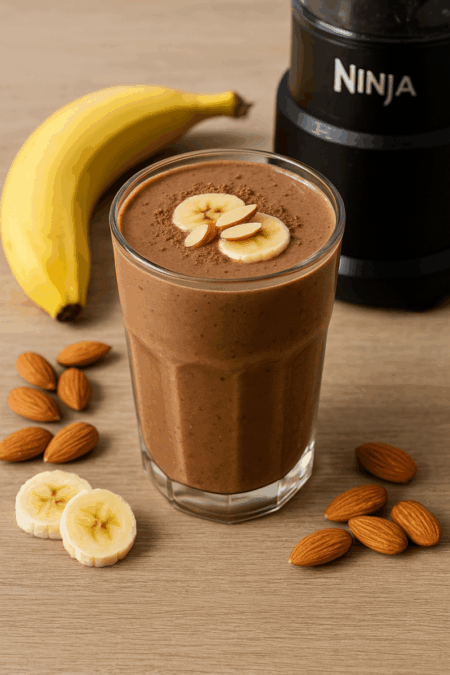
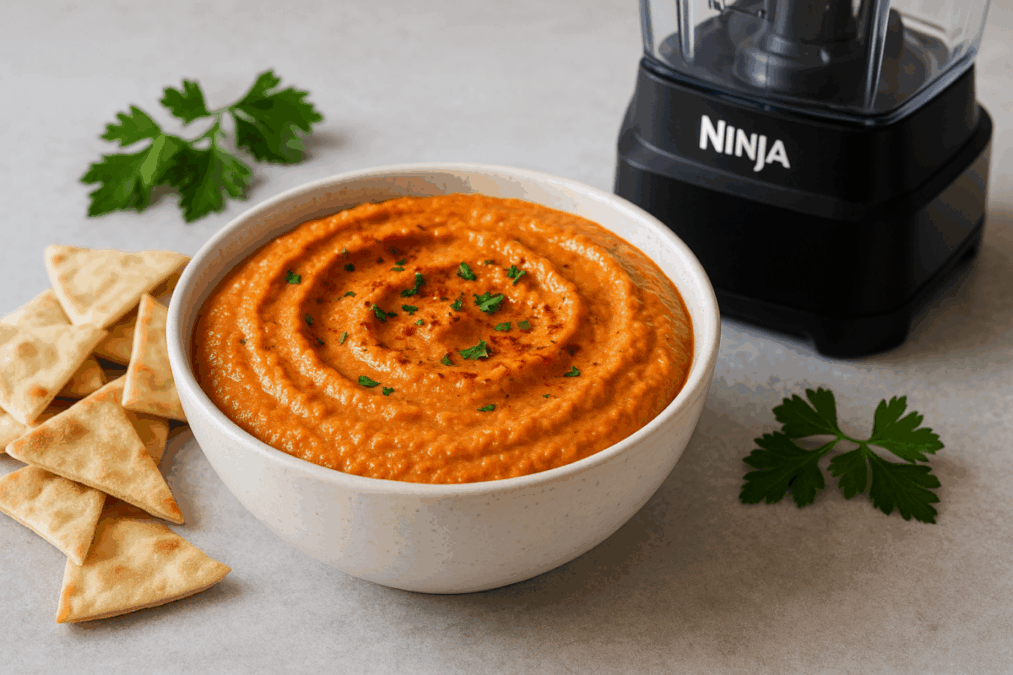
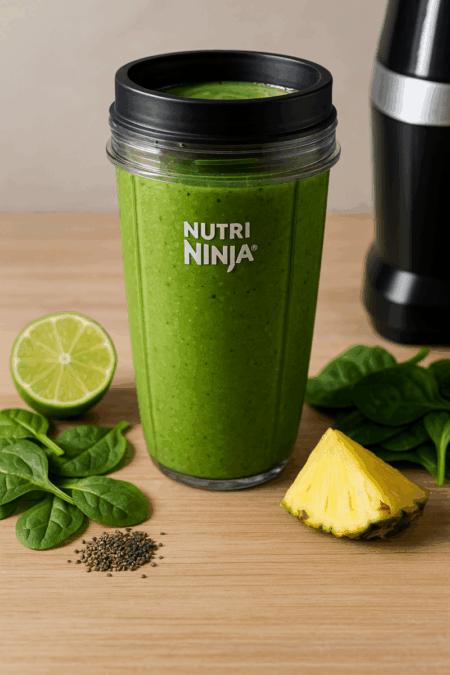
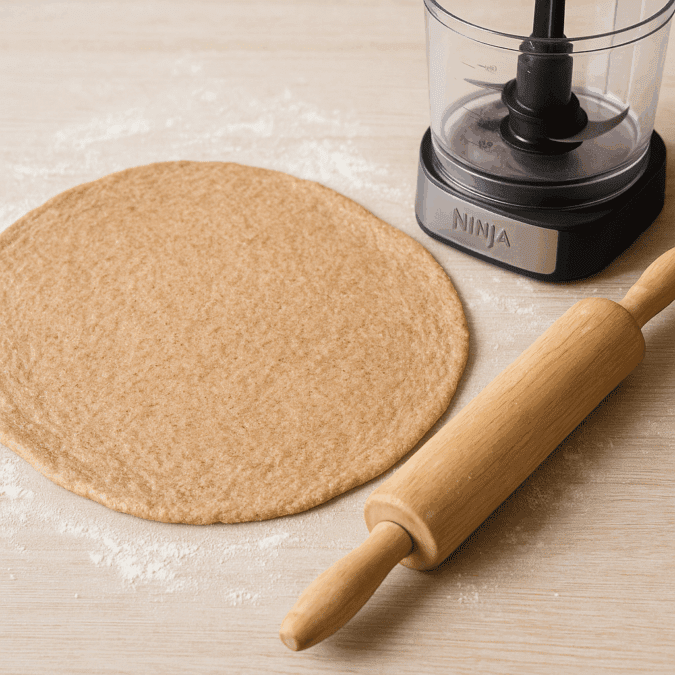
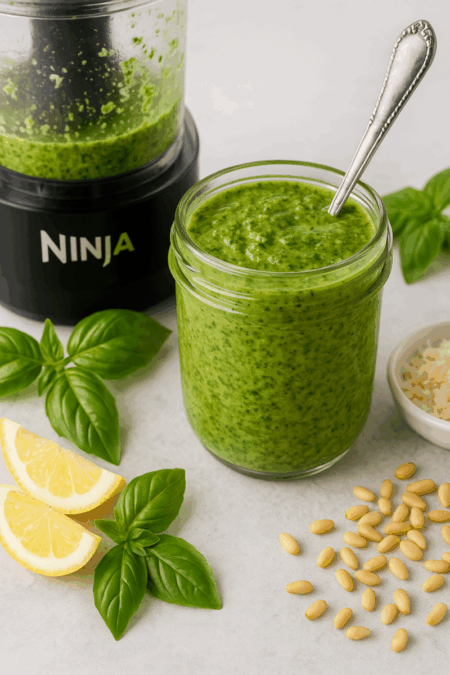
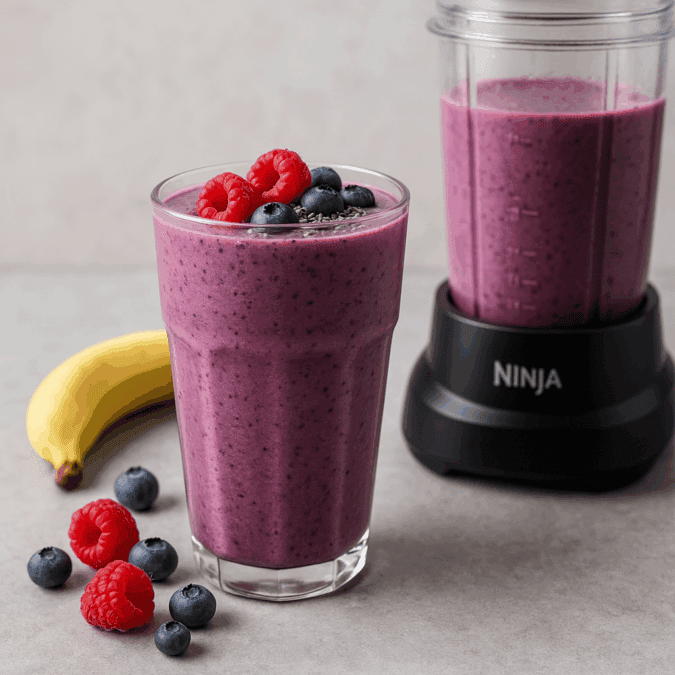
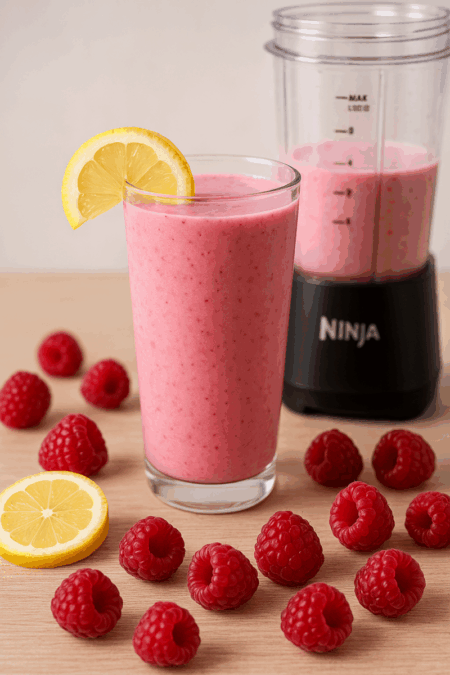
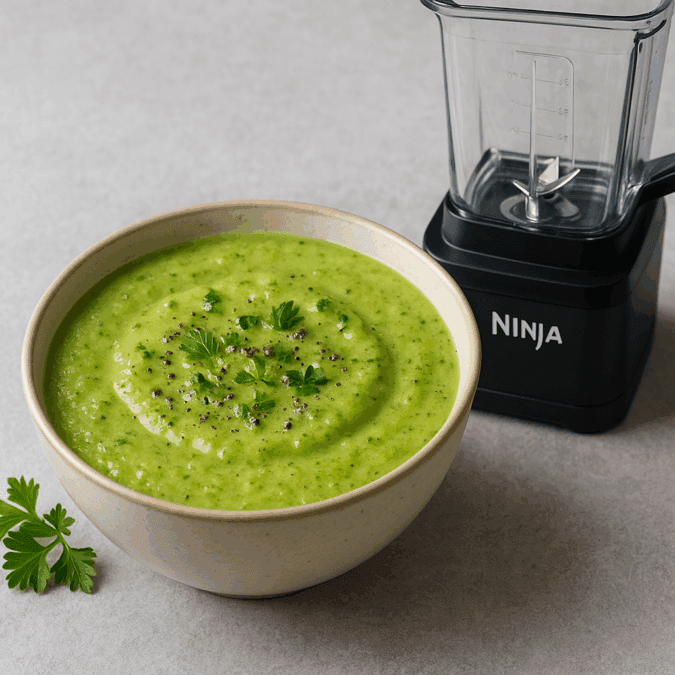
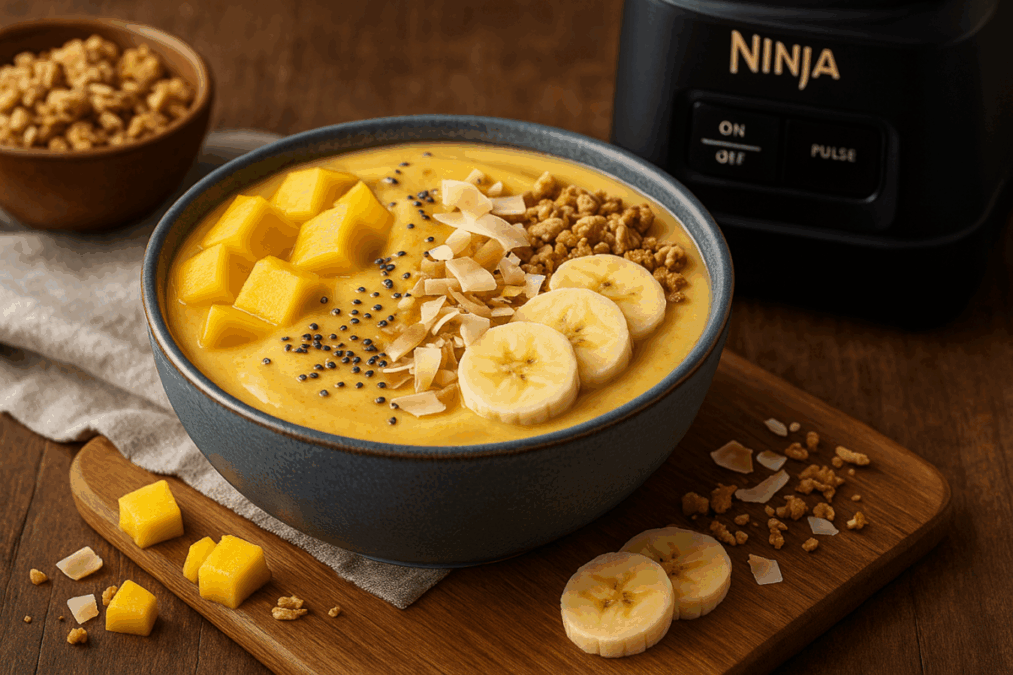
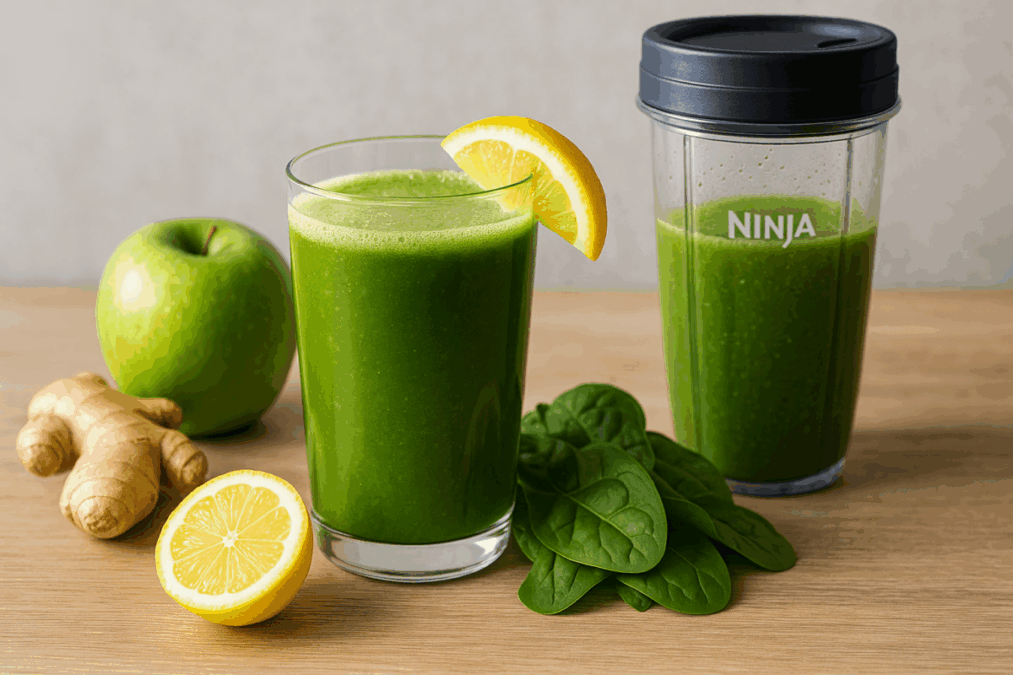
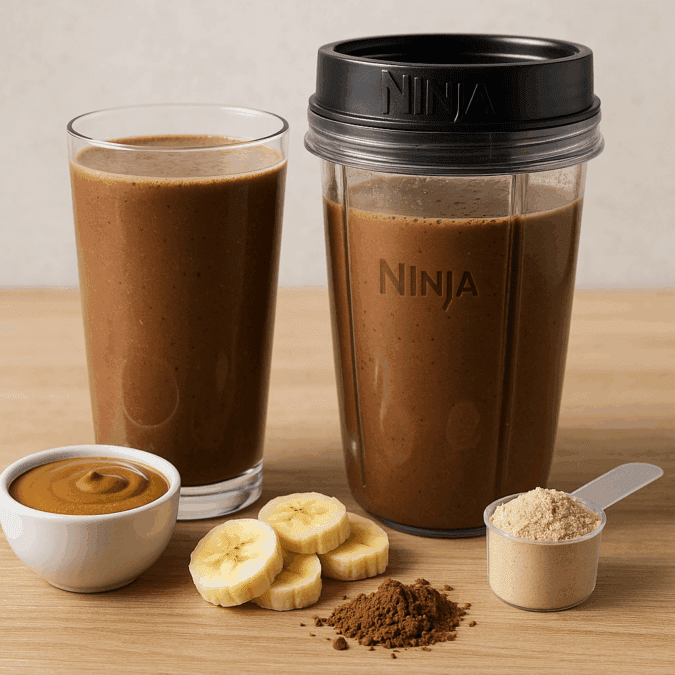
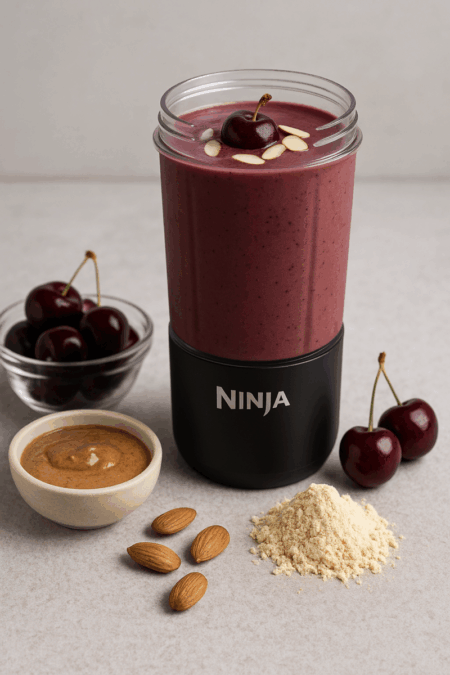
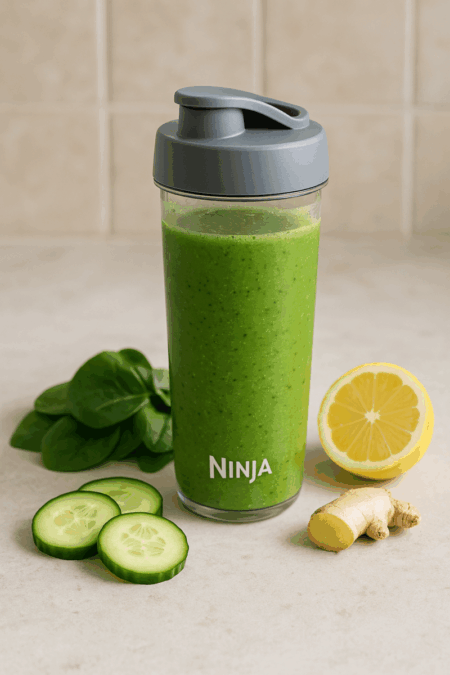
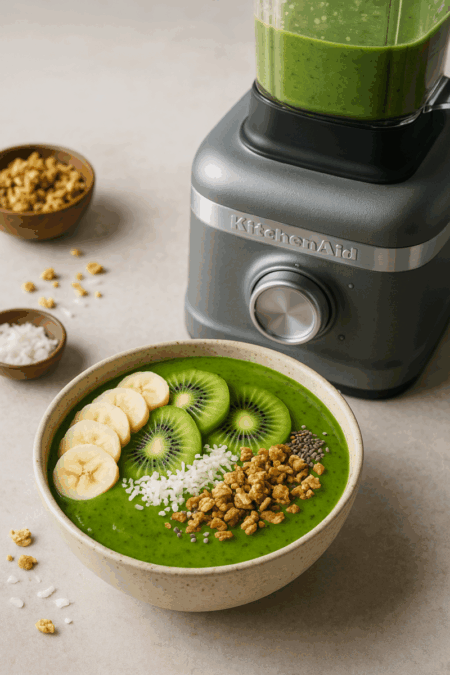
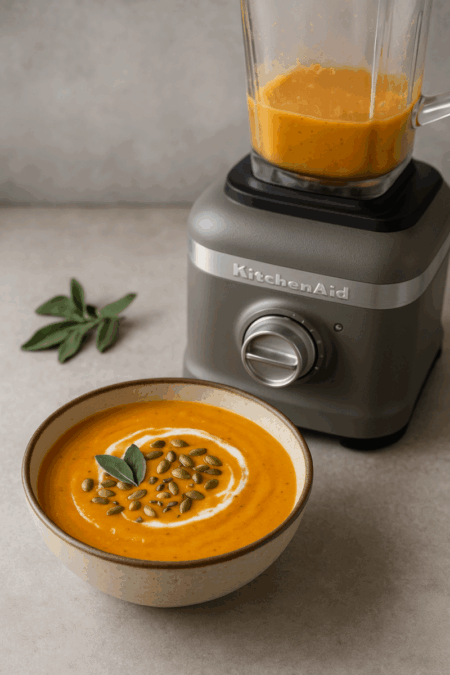
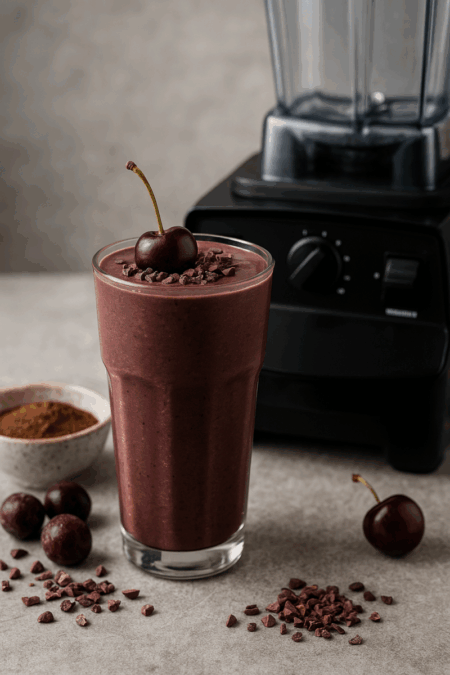
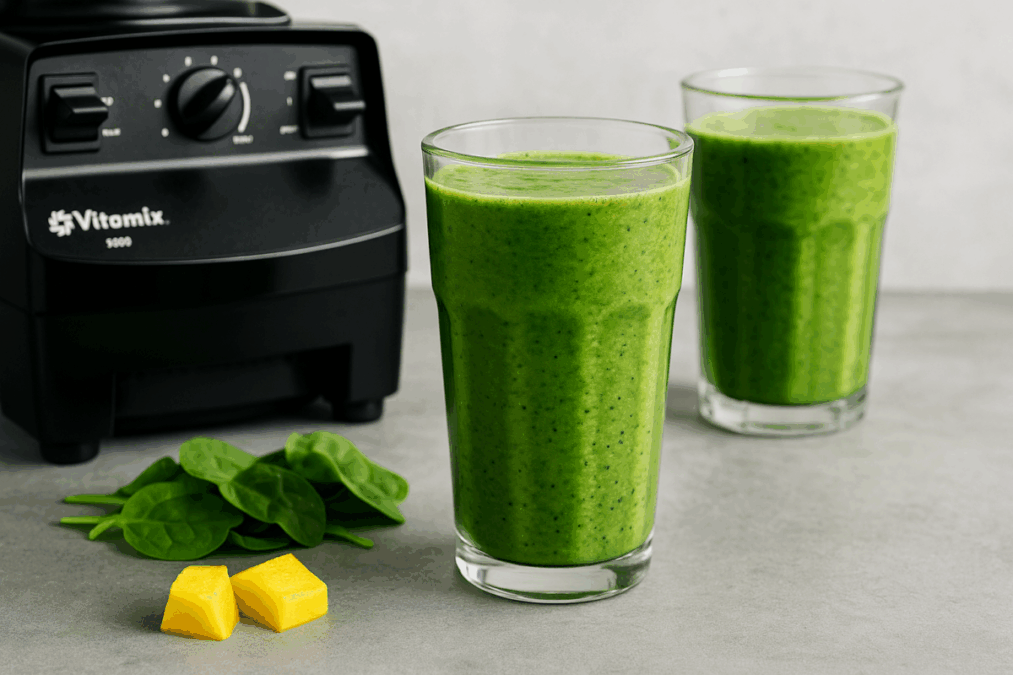
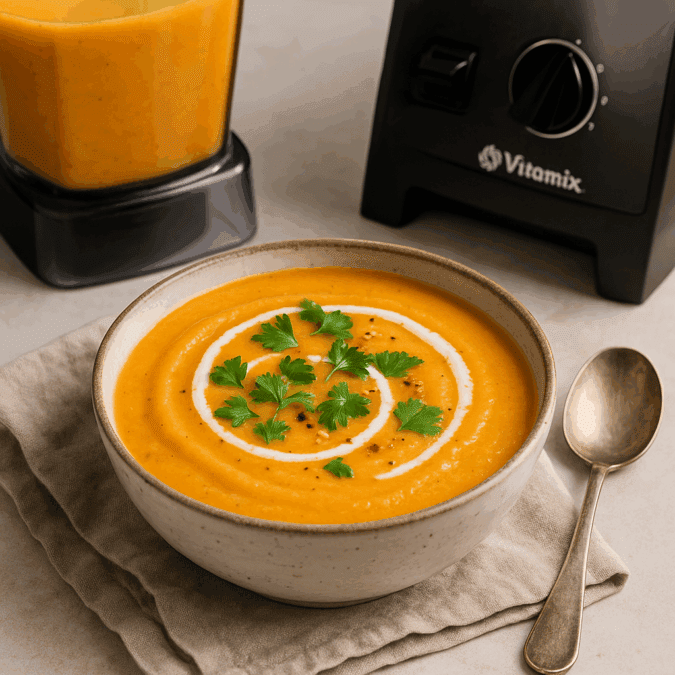
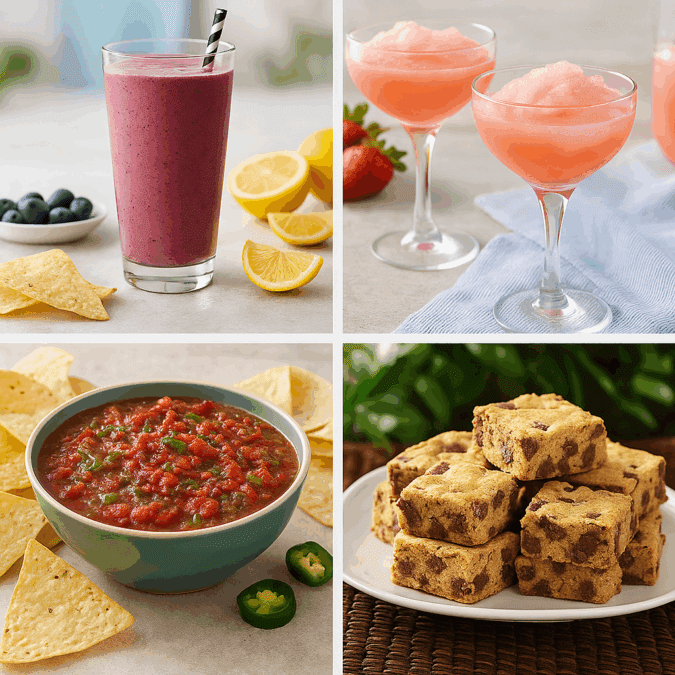
What Can You Make in a Blender?
The answer depends partly on the blender you own. A personal blender works well for individual drinks but may not provide enough capacity for a family-size soup or large batch of salsa. A full-size pitcher offers more room, although very small or thick batches may not circulate as easily.
Kitchen systems add another possibility. A separate processor bowl and dough blade can perform tasks that may not be suitable for a standard blender pitcher. Do not assume an attachment is included simply because another model in the same product family has it.
Common blender foods and drinks include:
- Smoothies and protein shakes
- Smoothie bowls and frozen treats
- Sauces, dressings and marinades
- Hummus, dips and spreads
- Pureed soups
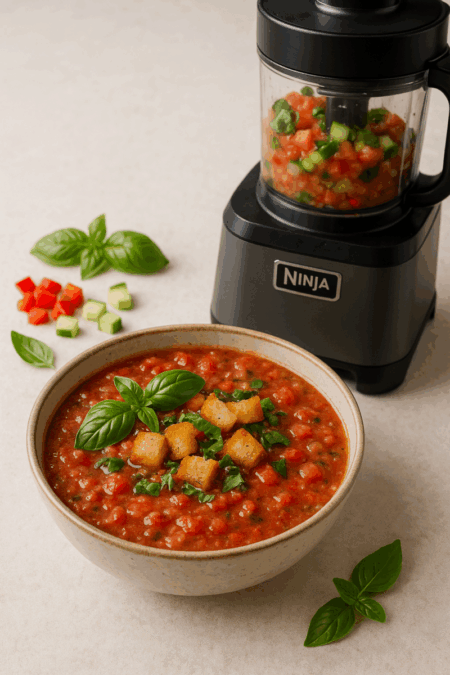
- Salsa and chopped mixtures
- Frozen drinks
- Batters and selected food-preparation recipes
The appliance should support the recipe rather than become the subject of every article. Model-specific guidance is useful only when that model’s capacity, container or control system changes the method.
Smoothies and Smoothie Bowls
Smoothies remain one of the easiest ways to use a blender. They can combine fruit, vegetables, yogurt, milk, juice, seeds, nut butter, and other ingredients into a quick drink.
Texture depends on more than motor power. The ratio of frozen ingredients to liquid matters, as does the size of the batch. Too much liquid can make a smoothie thin. Too little can prevent ingredients from circulating.
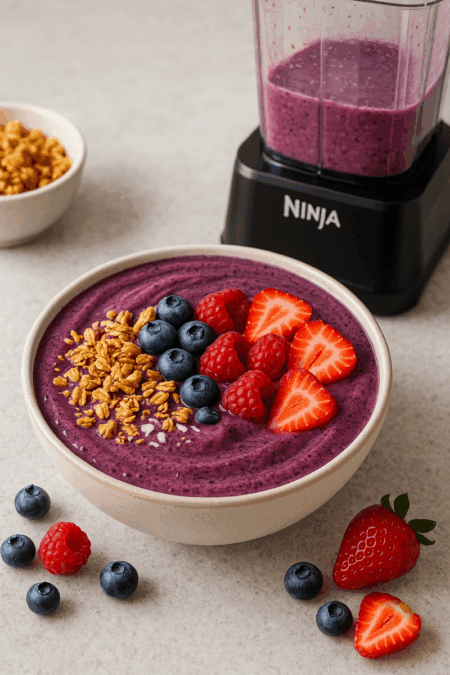
Smoothie bowls use less liquid than drinkable smoothies. That thicker mixture places more resistance on the blade system. Some blenders need smaller frozen pieces, pauses for redistribution, or an approved tamper. Never push a utensil into the container while the blender is running.
Our smoothie recipes provide ingredient amounts and adjustment notes for the intended container. Add extra liquid gradually rather than pouring in a large amount at once.
Protein Shakes and Filling Breakfast Drinks
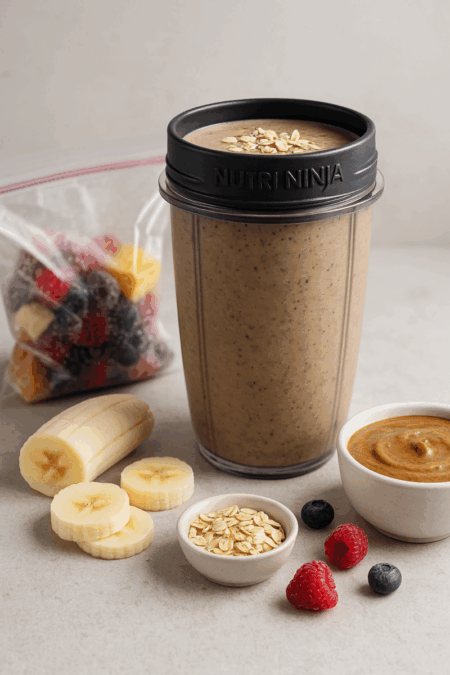
Protein shakes can be simple combinations of liquid, protein powder, and fruit. Others include yogurt, oats, seeds or nut butter for a thicker texture.
Powder can collect along the bottom or sides of some containers. The recipe’s loading order should account for this, but always follow the appliance manufacturer’s guidance when it specifies a particular sequence.
A personal blending cup may suit one serving. Larger pitchers work better when preparing several portions, although stored shakes can thicken or separate. Stir or shake a refrigerated drink before serving and follow safe storage guidance for its ingredients.
Recipes described as protein shakes are not medical or nutrition plans. Nutritional needs differ, and ingredient labels should be checked for allergens, added sugar, and serving information.
Soups and Vegetable Purees
Blenders can turn cooked vegetables, broth, and seasonings into smooth soups, but hot-liquid safety requires special attention.
Do not pour hot ingredients into a sealed personal cup. Steam can create pressure inside containers that are not designed to release it. Some countertop pitchers also prohibit hot liquids entirely.
A recipe may call for ingredients to cool before blending, or it may require an appliance specifically approved for hot contents. A blender that heats soup through friction is different from a machine with a heating element.
Check the manual before following any soup recipe. If the blender is not approved for hot ingredients, blend only after the mixture reaches a temperature permitted by the manufacturer, then reheat it safely in suitable cookware.
Immersion-blender recipes form a different category because the blade is brought directly into the cooking vessel. Do not apply immersion-blender instructions to an ordinary countertop blender.
Sauces, Dressings and Marinades
Sauces and dressings are useful when a full meal does not require a large batch. Blenders can help combine herbs, oils, roasted vegetables, nuts and acidic ingredients into a consistent mixture.
Small quantities may sit below the effective reach of blades in a large pitcher. A personal cup, smaller compatible container, or food-processing bowl may work better when the manufacturer approves it.
Oil-based recipes can also leave a film around lids, threads, and blade housings. Clean approved removable parts soon after use so the residue does not dry in narrow channels.
Sauces should be evaluated by the result they need. A smooth dressing requires a different approach from salsa that should retain visible pieces. Use pulse controls when the recipe calls for texture rather than a complete puree.
Dips, Hummus and Thick Spreads
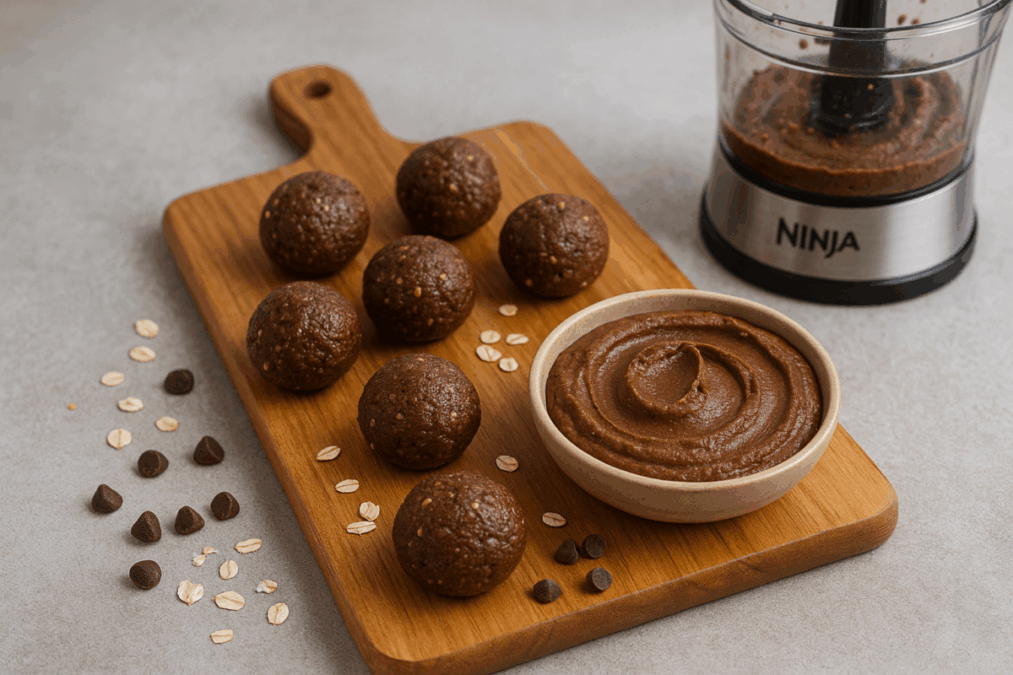
Hummus, bean dips, nut-based sauces, and similar spreads contain less free liquid than most smoothies. That makes circulation more difficult.
Do not continue running a stalled blender in the hope that the mixture will eventually move. Stop the machine, unplug it when necessary, and follow the manual’s instructions for redistributing ingredients. Add liquid gradually when the recipe allows it.
Some blenders include tampers designed for use through the lid. Only use the tamper supplied or approved for that exact container. A kitchen utensil is not a substitute.
Large pitchers may require a minimum batch size to keep thick ingredients moving. Personal cups have less space and should never be filled above their marked limit.
Frozen Drinks and Blender Desserts
Frozen drink recipes combine ice or frozen ingredients with enough liquid to support circulation. Ice size, ingredient temperature, and batch volume can change the final texture.
Use only the ice-crushing method recommended for the blender. Some machines have a dedicated program, while others rely on short pulses. Portable and compact blenders may have stricter limits involving ice and frozen fruit.
Blender desserts can include fruit-based frozen mixtures, shakes, and soft frozen treats. Dense frozen ingredients create more resistance than ordinary liquids. Stop if the appliance stalls, produces a new burning odor, or repeatedly shuts down.
Alcoholic frozen drinks should be labeled clearly and kept separate from recipes intended for children. Alcohol content remains present after blending.
Batters, Doughs and Food-Preparation Attachments
Some kitchen systems include dough blades, processor bowls, or chopping attachments. Those components expand what the appliance can prepare, but they do not make every blender pitcher suitable for dough.
A standard pitcher blade may overmix batter or fail to move a dense dough. Use only the attachment and speed recommended in the manual.
Food-processor recipes also need to remain distinct from ordinary blender recipes. Chopping, slicing, and kneading depend on different blade movements and container shapes. When a recipe requires a special attachment, that requirement should appear near the beginning rather than as a surprise midway through the instructions.
Choosing a Recipe for Your Blender
Before selecting a recipe, check the required batch size, container type and ingredient temperature. Also consider whether the method calls for pulsing, variable speed, an automatic program or a tamper.
A recipe designed for a large pitcher may need adjustment before it can fit safely inside a personal cup. Dividing the ingredient list in half does not always solve the problem because the container may require a different loading order or amount of liquid.
Likewise, doubling a small recipe can change circulation and blending time. Never exceed the container’s maximum line or the manufacturer’s stated limits.
Recipe instructions should identify important equipment requirements. When they do not match your machine, choose another recipe instead of improvising around a safety restriction.
Cleaning Up After Blender Recipes
Clean removable parts according to the manufacturer’s instructions. Dishwasher approval, blade removal, and gasket care vary between models.
Rinse food residue before it dries when practical, especially after making oily sauces, dairy-based drinks or thick spreads. Unplug the motor base before wiping it, and never submerge it or spray liquid into its controls and ventilation openings.
For model-specific cleaning, storage, and troubleshooting guidance, review our care steps for keeping blender components in usable condition.
How IMSolutionRealm Approaches Blender Recipes
Our recipe articles draw from established cooking methods, ingredient behavior, appliance manuals, and manufacturer restrictions. We explain when container size, controls or operating limits may affect the method.
We do not claim that every recipe has been physically prepared in every blender mentioned on the site. We also avoid treating wattage or marketing language as proof that a machine will handle every thick, frozen or hot mixture.
Readers should confirm appliance restrictions and adjust seasoning or texture to their preferences. Food allergies, dietary needs, and safe storage requirements should be evaluated from the ingredients used.
Browse the latest recipes above to find a drink, meal component, snack or dessert that matches the blender and container you already own.