Blenders are one of the most versatile kitchen appliances, but performance issues are common when technique, load balance, or usage habits are off. Problems like chunky smoothies, overheating, or inconsistent blending usually come from how the blender is used, not just the machine itself.
As part of our broader appliance ecosystem, this page focuses on improving real-world blending results through practical guidance. These guides are designed to help you fix common issues, improve consistency, and understand how blending actually works in everyday use. For a broader understanding of how different appliances connect across your kitchen, you can explore our main kitchen appliance learning hub.
How This Blender Guides Hub Is Organized
This page is not a product review or a buying guide.
Instead, it helps you:
- Identify common blending problems
- Understand why those problems happen
- Apply practical fixes that improve results immediately
You can use this hub to troubleshoot issues first, then move into deeper resources once you understand your needs more clearly.
If you want to see how different models perform under real-world conditions, you can review our complete blender reviews and performance breakdown hub.
Each section below focuses on real-world blending behavior rather than specifications alone.
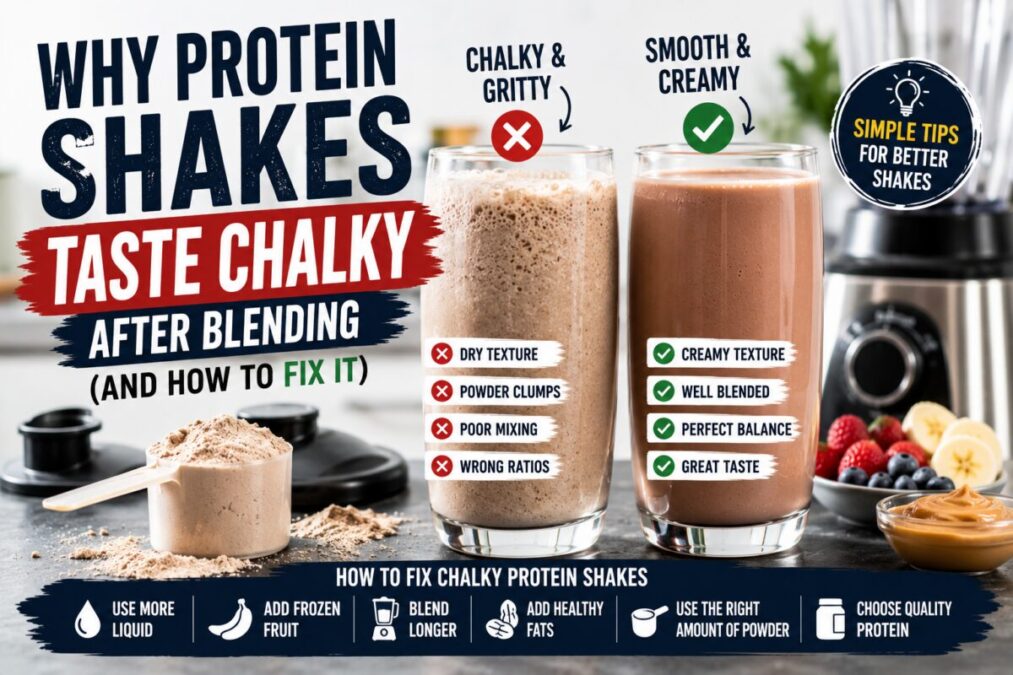
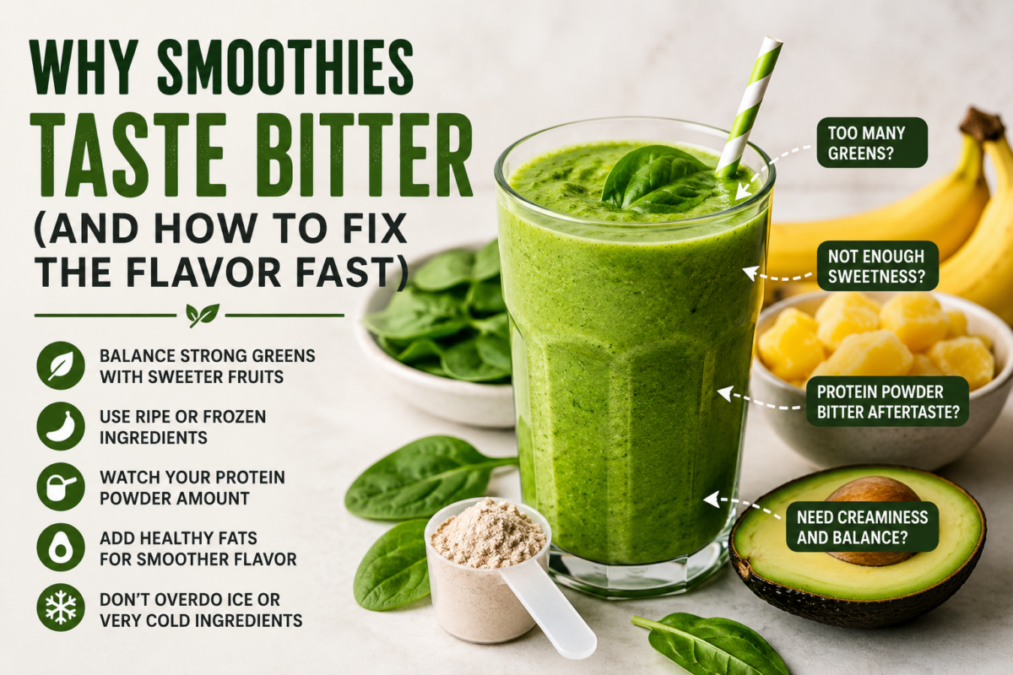
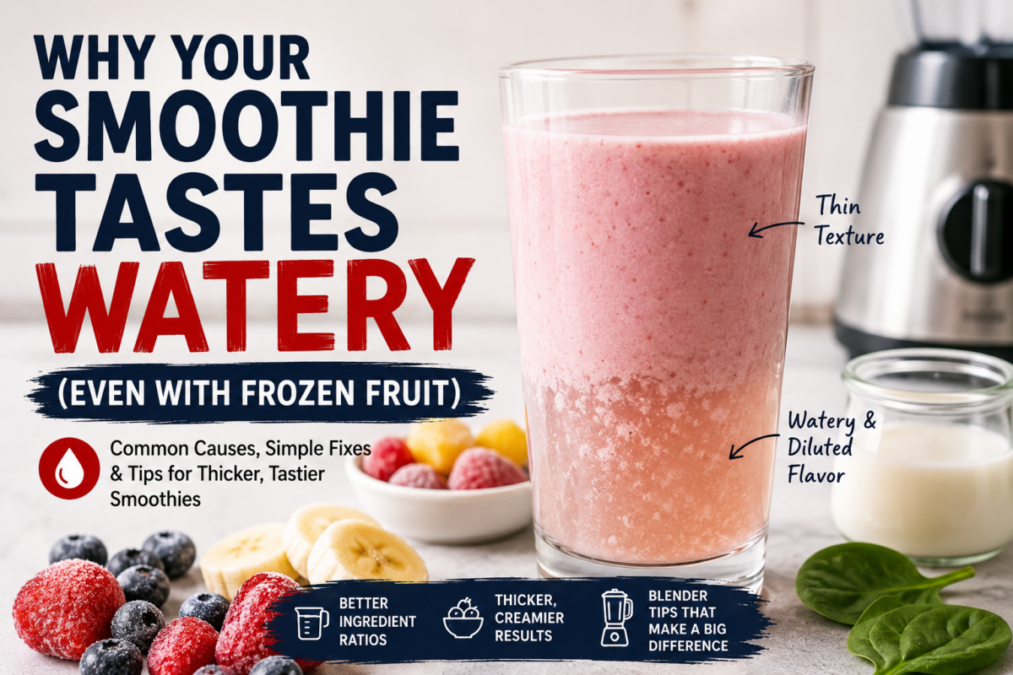
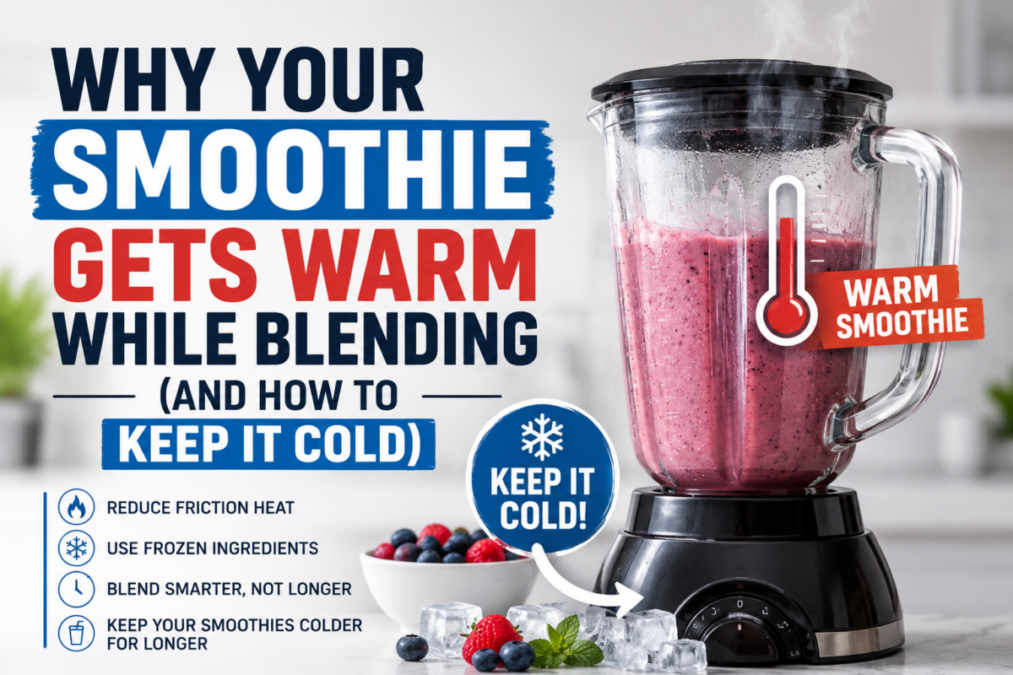
Common Blender Problems and Fixes
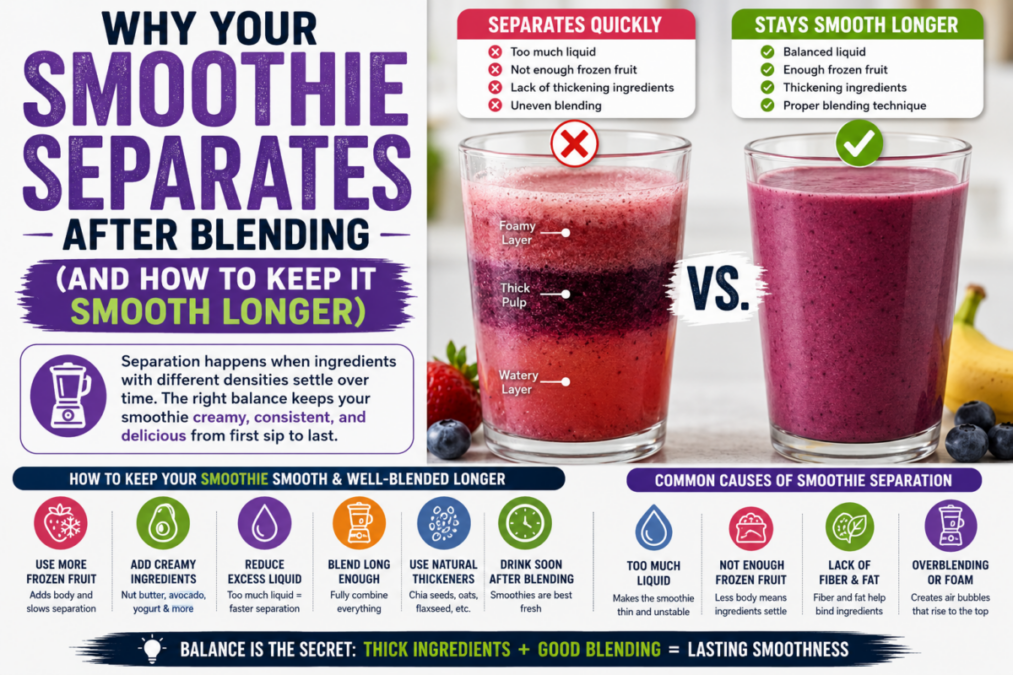
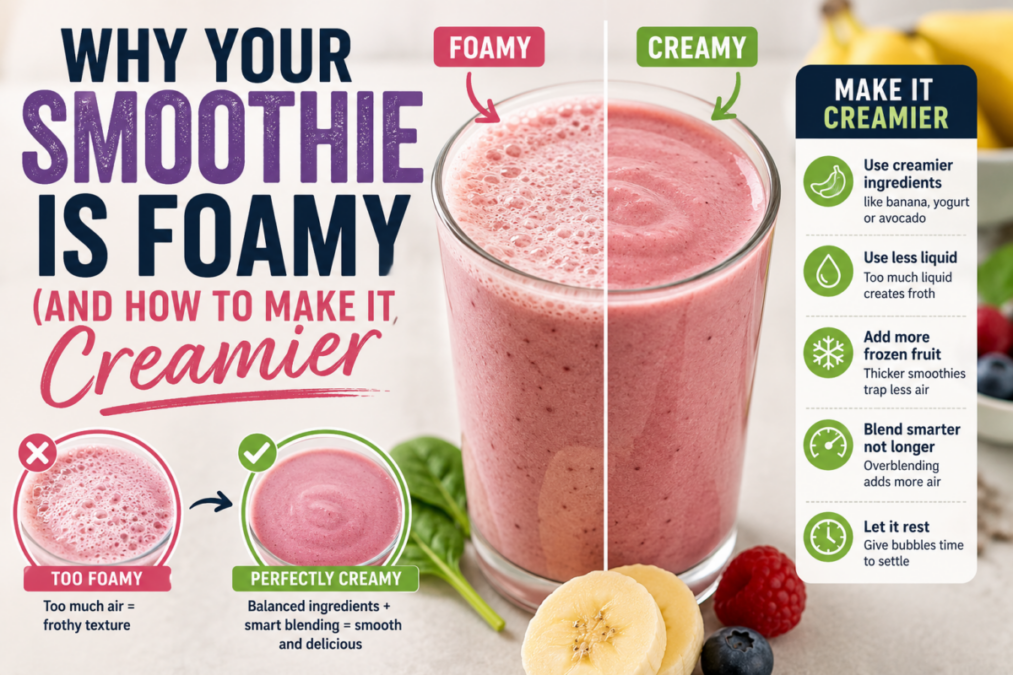
Most blending issues come from a small number of repeat problems. These guides break down what causes them and how to fix them.
Blending Techniques That Improve Results
Small adjustments in technique can dramatically improve blending performance.
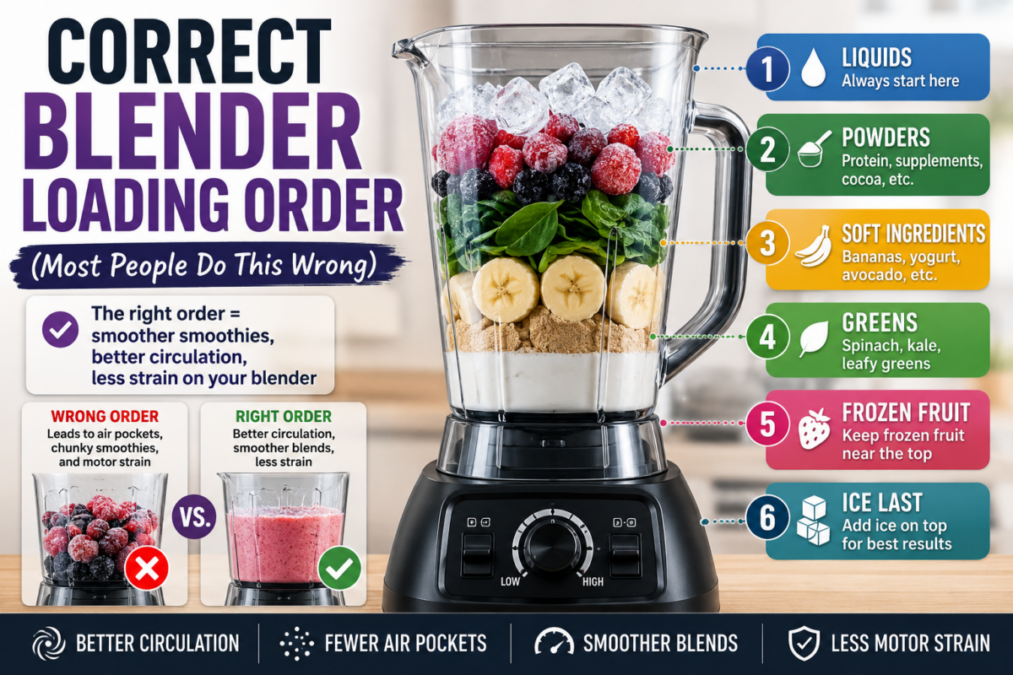
Ingredient Order Matters
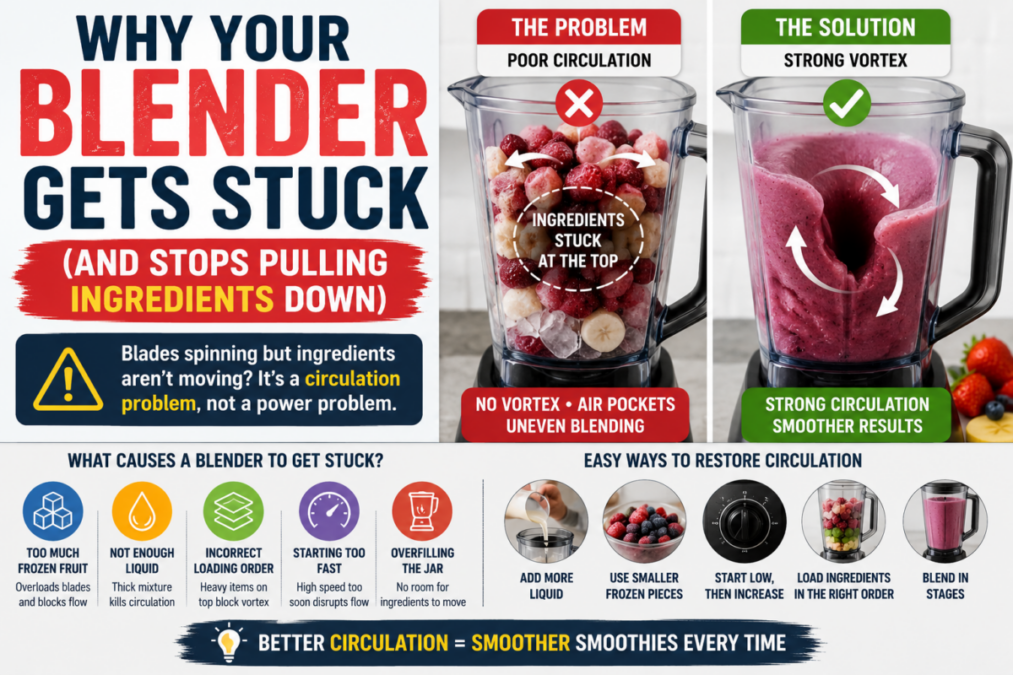
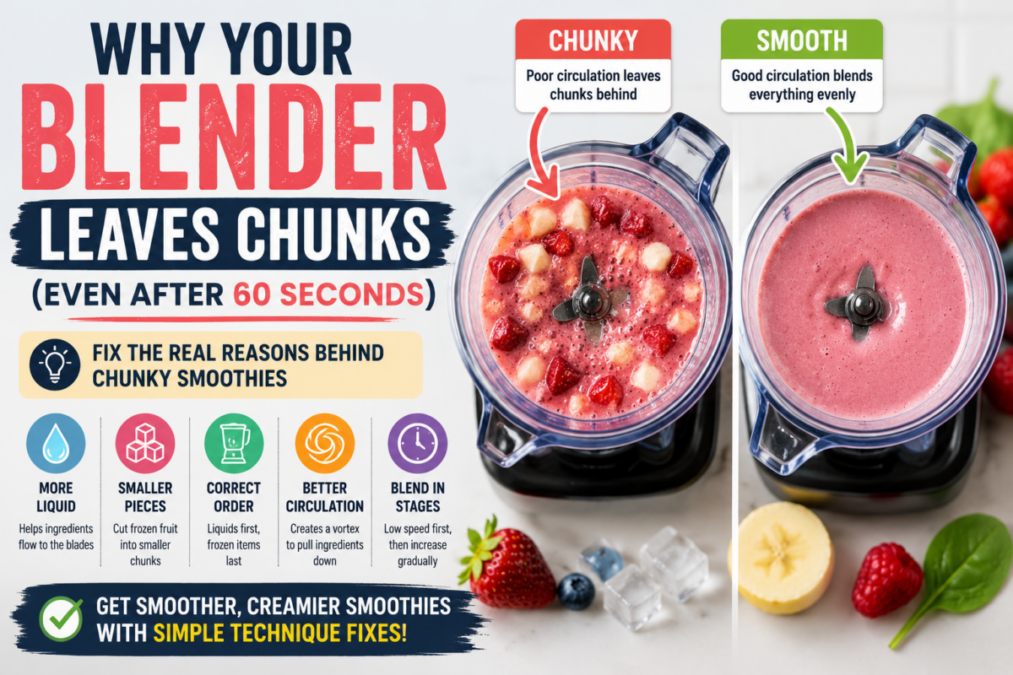
Liquids should go in first, followed by soft ingredients, then frozen items. This helps maintain blade movement and reduces strain on the motor.
Use Pulse Control Instead of Continuous Blending
Short bursts help break down dense ingredients before switching to a full blend. This prevents stalling and improves consistency.
Don’t Overload the Jar
Overfilling reduces circulation and leads to uneven blending. Working in smaller batches often produces better results.
Adjust Based on Blender Type
Personal blenders, mid-range countertop models, and high-performance machines all handle loads differently. Understanding these differences improves results without unnecessary upgrades.
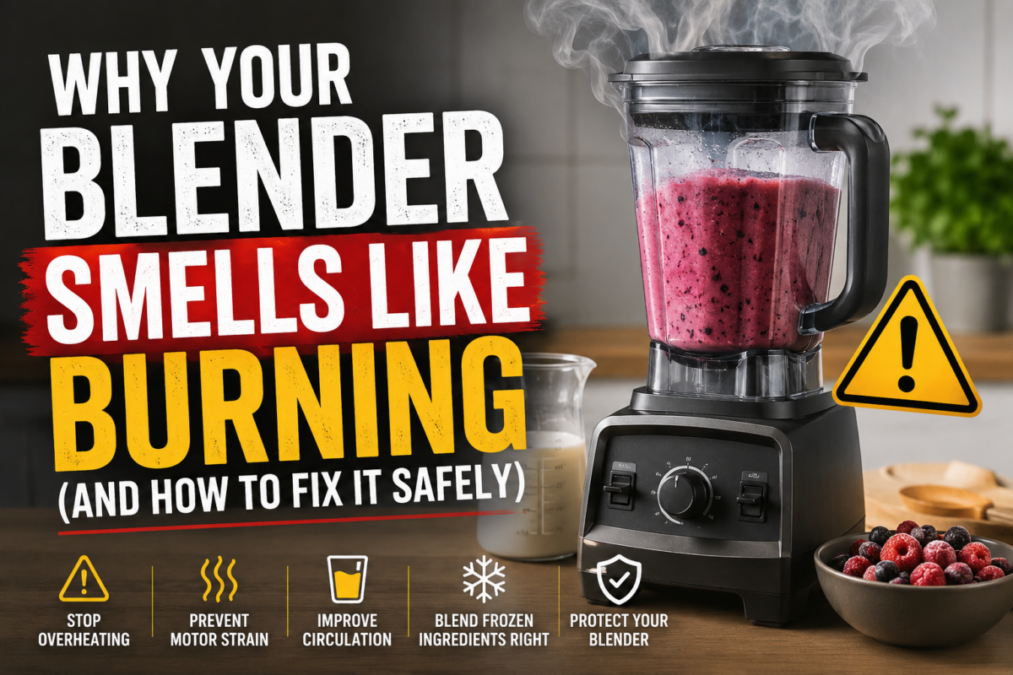
Why Blenders Overheat and How to Prevent It
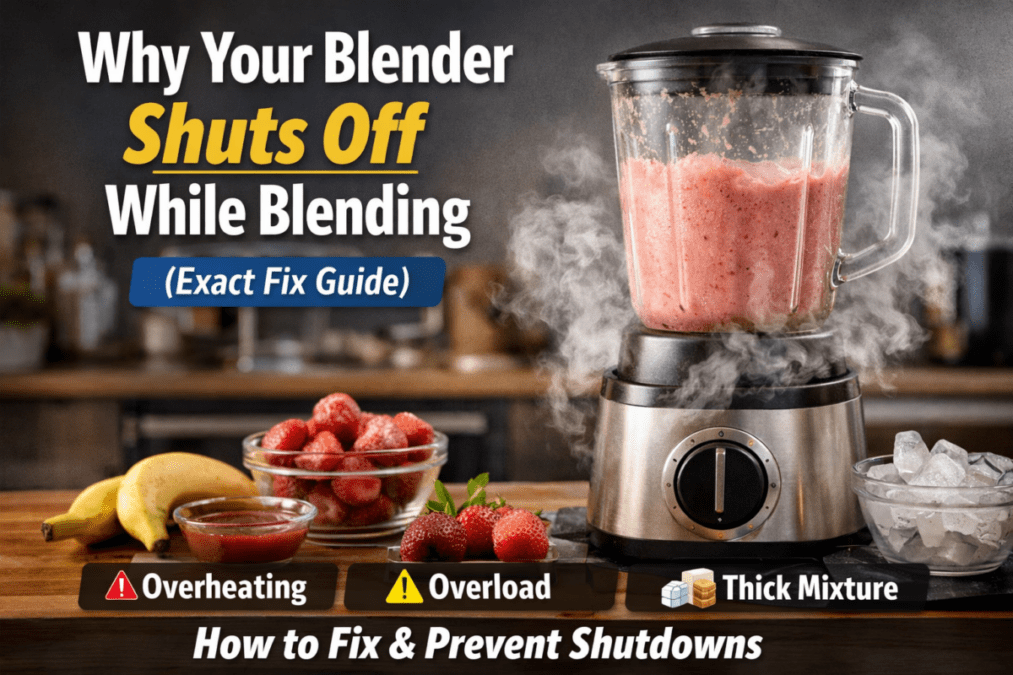
Overheating typically comes from extended blending under heavy load or poor airflow around the motor base. Understanding how long to blend and when to pause can prevent long-term damage and improve consistency over time.
When the Problem Is the Blender (Not the Technique)
Sometimes performance issues are caused by limitations in the blender itself.
Common signs include:
- Struggling with frozen ingredients, even with proper technique
- Frequent overheating during normal use
- Inconsistent results across similar recipes
In these cases, understanding how different models perform in real-world conditions can help you decide whether your blender is the limiting factor.
If you are considering an upgrade, reviewing high-performance blender recommendations for smoother results can help you choose a model that fits your needs and usage.
Moving From Fixes to Better Results
Once you understand how to fix common issues, you can apply those improvements immediately.
For example:
- Adjusting liquid ratios improves smoothie consistency
- Changing ingredient order prevents stalling
- Managing blend time reduces overheating
These improvements often eliminate the need to replace your blender.
Common Questions About Blender Performance
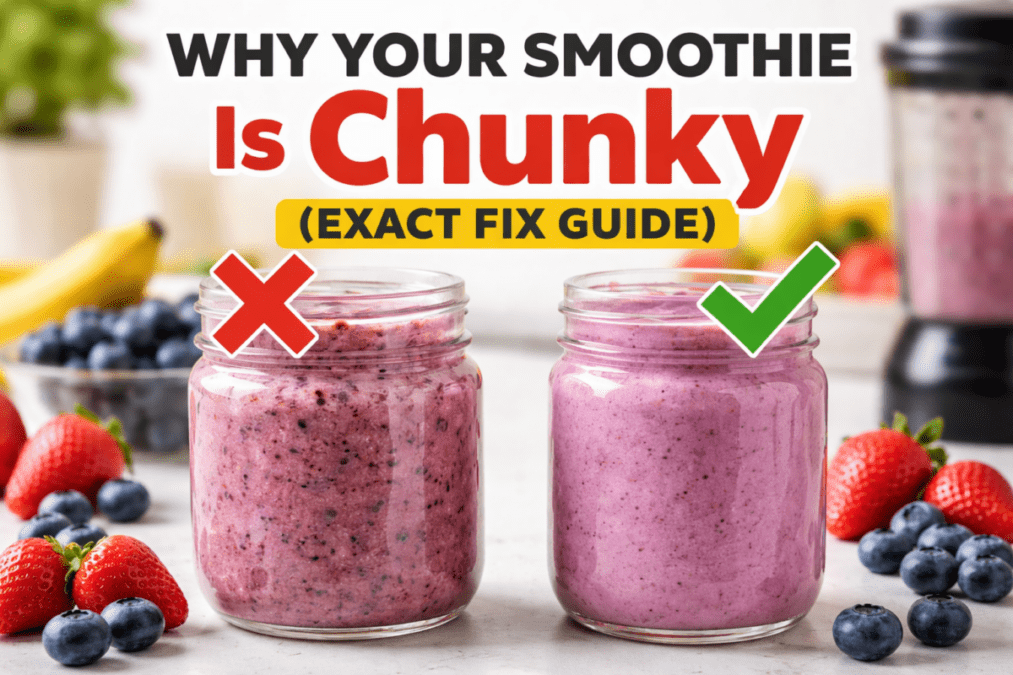
Why does my blender leave chunks even on high speed?
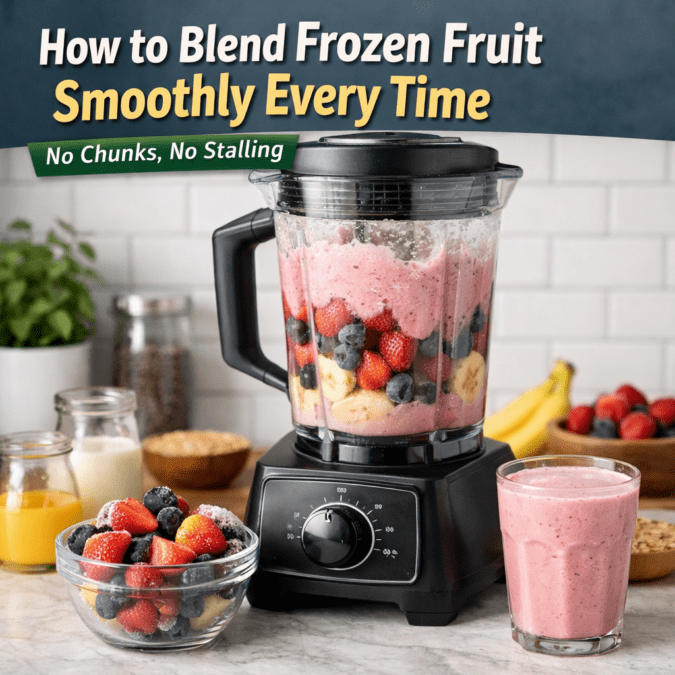
This is usually caused by poor circulation rather than a lack of power. Adjusting liquid levels and ingredient order often fixes the issue.
Can all blenders handle frozen fruit?
No. Some mid-range models struggle under load. Proper technique helps, but design limitations can still affect results.
How long should I blend to avoid overheating?
Short bursts with pauses are more effective than long continuous blending sessions.
Do more expensive blenders always perform better?
Not always. Performance depends on how well the blender matches your actual usage, not just price or power.
Use These Guides to Improve Your Blending Results
These guides are designed to help you fix problems quickly, improve consistency, and understand how your blender performs in real use.
Start with the issue you are experiencing, apply the recommended adjustments, and then explore deeper resources if needed.




Improve Blending Performance Without Guesswork
Use the resources above to troubleshoot issues, improve technique, and get more consistent results from your blender.
If you are ready to go deeper, you can continue exploring detailed testing, recommendations, and real-world performance insights to fully understand how your blender fits your kitchen.