You follow the same recipe, use fresh ingredients, and blend everything until smooth, yet your homemade smoothie still doesn’t taste quite like the one from your favorite smoothie shop.
The difference usually isn’t one secret ingredient. Instead, professional smoothie shops combine better ingredient ratios, consistent preparation methods, commercial-grade blending, and carefully balanced flavors that create a richer, smoother drink.
The good news is that you can recreate much of that experience at home once you understand the techniques that make commercial smoothies taste so consistently good.
Table of Contents
Quick Tips For Better Homemade Smoothies
If you want your smoothies to taste more like they came from a smoothie shop, start by:
- Using more frozen fruit than ice.
- Balancing sweet and tart ingredients.
- Measuring liquids instead of guessing.
- Blending until completely smooth.
- Using ripe fruit whenever possible.
Small adjustments often make a bigger difference than changing recipes entirely.
Smoothie Shops Prioritize Ingredient Balance
One reason smoothie shop drinks taste so consistent is that every ingredient is measured carefully. Instead of adding handfuls of fruit or pouring liquids by eye, recipes are built around repeatable ratios.
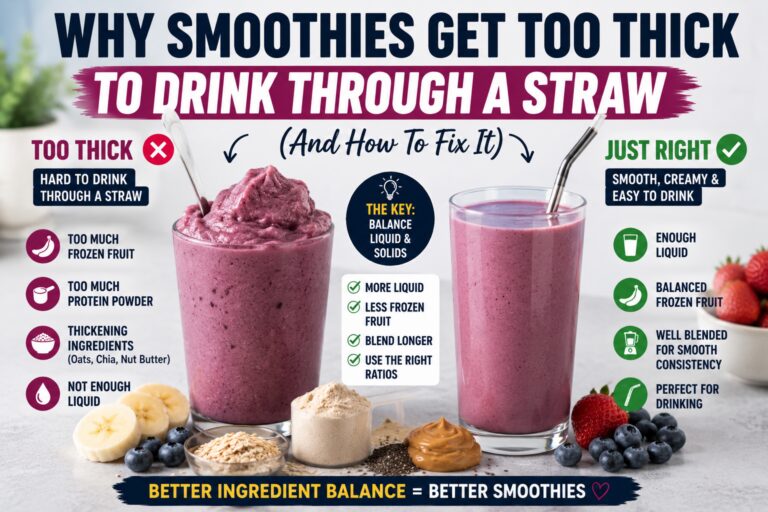
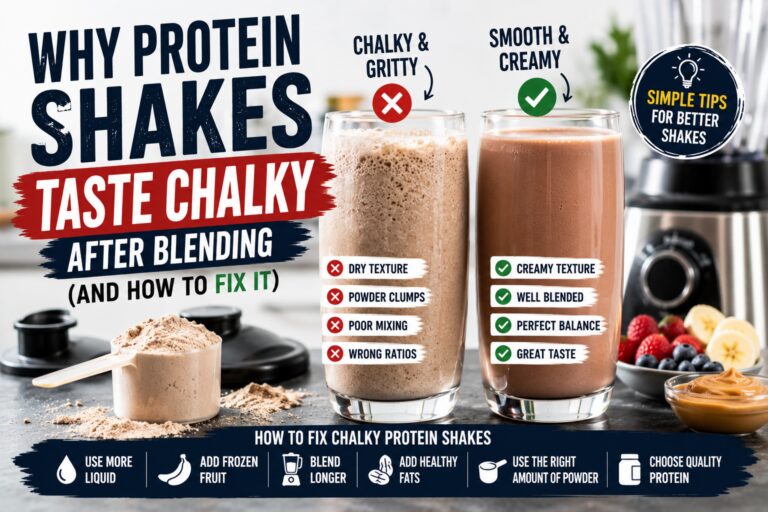
A smoothie that contains too much liquid tastes weak. Too much frozen fruit can make it overly thick. Too much protein powder may create a chalky finish.
Professional recipes balance sweetness, acidity, creaminess, and thickness so that no single ingredient overwhelms the others.
Frozen Fruit Creates Better Texture Than Ice
Many homemade smoothies rely heavily on ice to make drinks colder and thicker.
Smoothie shops often use frozen fruit instead.
Frozen strawberries, mangoes, bananas, peaches, blueberries, and pineapple naturally create a creamier texture while adding flavor instead of simply adding frozen water.
Using less ice also reduces dilution, allowing fruit flavors to remain stronger.
Ripe Fruit Makes A Bigger Difference Than Most People Expect
Fruit continues developing sweetness as it ripens.
Bananas with brown spots, ripe peaches, sweet pineapple, and fully ripened berries create noticeably richer smoothies than fruit picked too early.
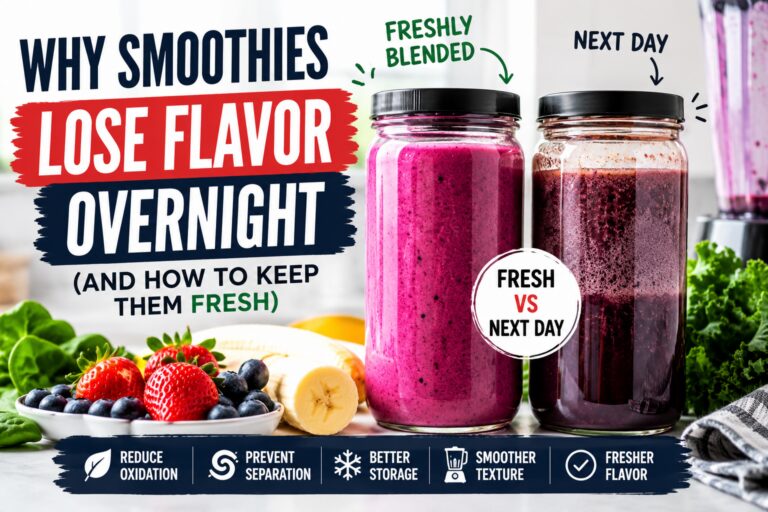
Many smoothie shops freeze fruit at peak ripeness, which helps preserve both sweetness and flavor.
This is one reason homemade smoothies sometimes taste flatter even when they use similar ingredients.
Healthy Fats Help Create Smoothie Shop Texture
Many premium smoothies contain ingredients that improve mouthfeel without making the drink overly heavy.
Greek yogurt, avocado, almond butter, peanut butter, coconut milk, and full-fat dairy all contribute to a smoother, creamier texture while helping flavors blend together more naturally.
Without some source of fat, smoothies can taste thinner even when the consistency looks correct.
Better Blending Creates Better Flavor
Texture affects flavor more than many people realize.
When ingredients are blended completely, fruit, greens, protein powders, and healthy fats distribute evenly throughout the drink. This creates a smoother mouthfeel that allows sweetness and fruit flavor to stand out.
If your homemade smoothies regularly develop texture problems, inconsistent blending, or ingredient balance issues, these smoothie troubleshooting guides covering texture, frozen fruit, and blending techniques can help.
Smoothie Shops Rarely Guess Ingredient Ratios
Professional smoothie makers repeat the same recipes hundreds of times.
That consistency allows them to fine-tune every drink until sweetness, thickness, acidity, and creaminess remain balanced from one order to the next.
At home, many people continually adjust ingredients without measuring, making it difficult to reproduce their best smoothies consistently.
Keeping simple notes about ingredient amounts often improves future recipes more than changing ingredients.
Commercial Blenders Create Smoother Texture
Commercial smoothie shops often use high-performance blenders designed to process frozen fruit quickly while maintaining strong ingredient circulation.
Better circulation reduces small fruit pieces, evenly mixes protein powders, and creates a smoother overall consistency.
While recipe quality remains the biggest factor, blender performance still contributes to the finished drink.
If you’re comparing machines for frozen fruit smoothies, creamy texture, and everyday smoothie preparation, explore these blender reviews for smoother homemade smoothies and frozen blending performance.
Best Blender Types For Smoothie Shop Results
Different blender designs help recreate the smoother texture commonly associated with commercial smoothie shops.
Premium Blenders For Smooth Frozen Fruit
Strong circulation helps frozen fruit blend into a consistently creamy drink.
If you’re looking for a premium blender for smoothie shop-style frozen fruit recipes, the Vitamix Ascent X3 delivers excellent circulation and smooth ingredient processing.
Everyday Blenders For Family Smoothies
Many households want dependable frozen fruit performance without stepping into commercial equipment.
If you need an everyday blender for creamy fruit smoothies, the Ninja BL660 handles frozen ingredients well while remaining practical for daily use.
Blenders Designed For Smooth Everyday Texture
Some home users prioritize consistent texture for smoothies, sauces, and frozen drinks.
If you want a blender for consistently smooth homemade smoothies, the KitchenAid K400 is designed to improve ingredient circulation and create balanced texture.
Common Homemade Smoothie Mistakes
Many homemade smoothies fall short because they use too much ice, inconsistent ingredient measurements, underripe fruit, or recipes that rely too heavily on protein powder.
Another common mistake is assuming that adding more ingredients automatically creates a better smoothie. In reality, professional recipes often succeed because they stay simple and carefully balanced.
Learning to control ingredient ratios usually produces bigger improvements than constantly searching for new recipes.
Frequently Asked Questions
Why Do Smoothie Shop Smoothies Taste Better?
They typically use balanced recipes, frozen fruit, consistent measurements, and powerful blenders.
Do Smoothie Shops Use Ice?
Many use less ice than people expect and rely more heavily on frozen fruit.
Why Are Homemade Smoothies Less Creamy?
Too much liquid, too much ice, or uneven ingredient balance often reduces creaminess.
Do Better Blenders Make Better Smoothies?
A better blender improves texture and consistency, but ingredient quality and recipe balance remain the biggest factors.
What Ingredients Make Smoothies Taste Creamier?
Frozen bananas, Greek yogurt, avocado, nut butters, and coconut milk all contribute to a richer texture.
Can You Make Smoothie Shop Smoothies At Home?
Yes. Using ripe fruit, balanced recipes, frozen ingredients, and proper blending techniques can produce results that closely resemble professional smoothie shops.
Final Thoughts
Smoothie shops don’t rely on one secret ingredient. Their drinks taste better because they combine ripe fruit, balanced recipes, frozen ingredients, careful measurements, and powerful blending into a repeatable process.
With a few adjustments to ingredient ratios, preparation techniques, and blending methods, it’s possible to create homemade smoothies that are noticeably creamier, fresher, and closer to the quality many people expect from their favorite smoothie shop.