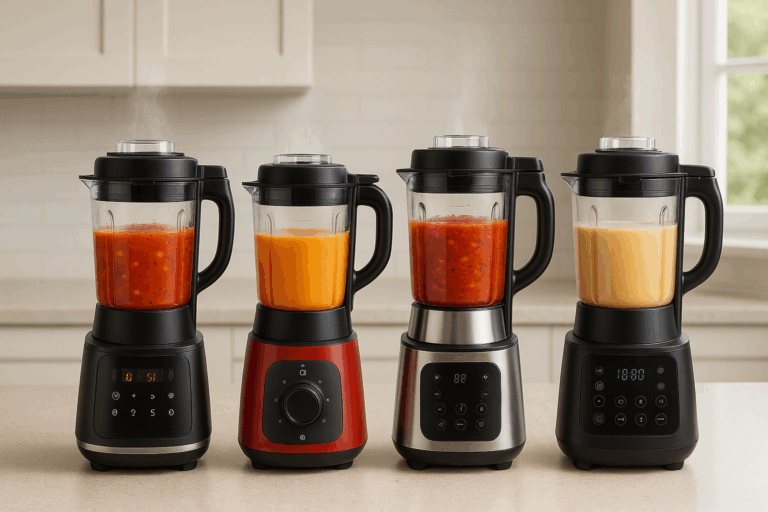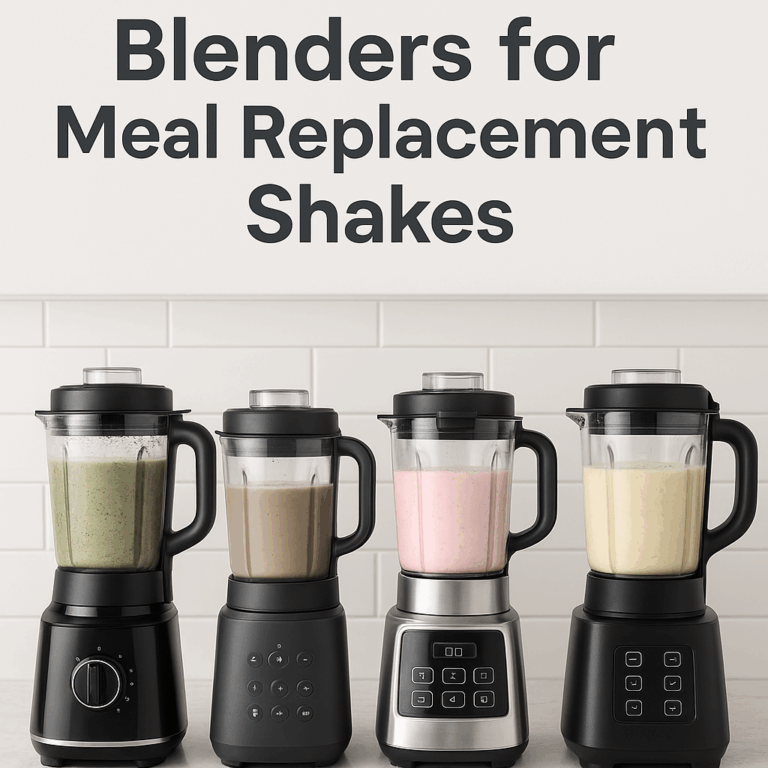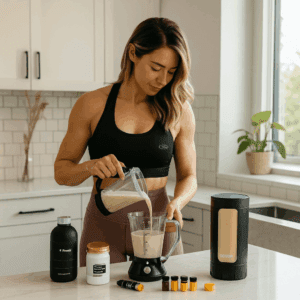
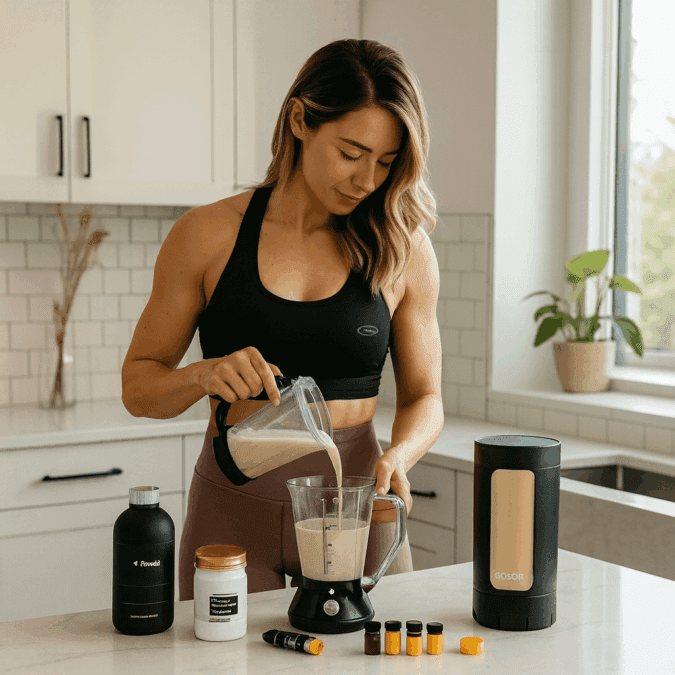
Protein shakes look simple, but they expose weak blenders faster than almost any kitchen task. Powders hydrate unevenly, frozen fruit resists blade movement, and thick mass gainer blends place constant stress on motors. When this happens daily, many blenders fail quietly through gritty texture, heat buildup, and worn internal couplings.
This 2026 guide is built to complete the decision, not just list products. Every recommendation is based on real fitness use, daily repetition, and long-term reliability. The focus is sustained torque, consistent texture, fast cleanup, and durability over time.
If you want context before committing to a specific model, start with which blender designs actually survive daily protein blending routines to understand how different categories hold up under repeated stress.
Table of Contents
Why Protein Shakes Are Harder to Blend Than Smoothies
Protein drinks stress blenders in ways standard fruit smoothies do not.
First, fine protein powders clump the moment liquid touches them. Second, frozen fruit bends and absorbs energy instead of fracturing cleanly like ice. Third, thick blends demand sustained torque rather than short bursts of power.
Blenders that succeed maintain blade speed after the mixture thickens. This depends on motor cooling, coupling strength, and jar geometry. Advertised wattage alone does not predict success, which explains why many high-watt blenders still produce gritty shakes.
What Matters Most for Fitness Blending in 2026
Sustained Torque Under Load
Two blenders with similar watt ratings can behave very differently once protein thickens the mix. Torque delivery over time determines whether a motor stalls or overheats.
Jar Geometry and Powder Hydration
Tall and narrow jars pull protein downward into the blades. Wide jars require more torque to prevent dry pockets along the walls.
Cleanup Friction and Long-Term Use
If cleaning takes too long, usage drops. Blenders that rinse clean in seconds are used more consistently, which matters more than extra presets or screens.
How Protein Type Changes Blender Requirements
Not all protein powders behave the same, and this difference explains many performance complaints.
Whey Protein
Whey hydrates quickly but clumps if poured directly onto liquid. Weak vortex formation leaves residue stuck above the blades.
Best blender trait for whey
Strong downward circulation early in the blend.
Plant-Based Protein Powders
Pea, hemp, and rice proteins absorb liquid slowly and thicken rapidly. These blends expose low-torque motors faster than whey.
Best blender trait for plant protein
Sustained torque that does not drop speed as viscosity increases.
Mass Gainers and Carb Heavy Blends
Mass gainers combine protein, starches, and sugars. These blends trap air easily and generate heat fast.
Best blender trait for mass gainers
Motor cooling and strong couplings that handle longer blend cycles.
This distinction resolves a common People Also Ask pattern where users wonder why the same blender performs differently with different powders.
Ice Versus Frozen Fruit Is Not the Same Test
Many buyers treat ice crushing and frozen fruit blending as equal. They are not.
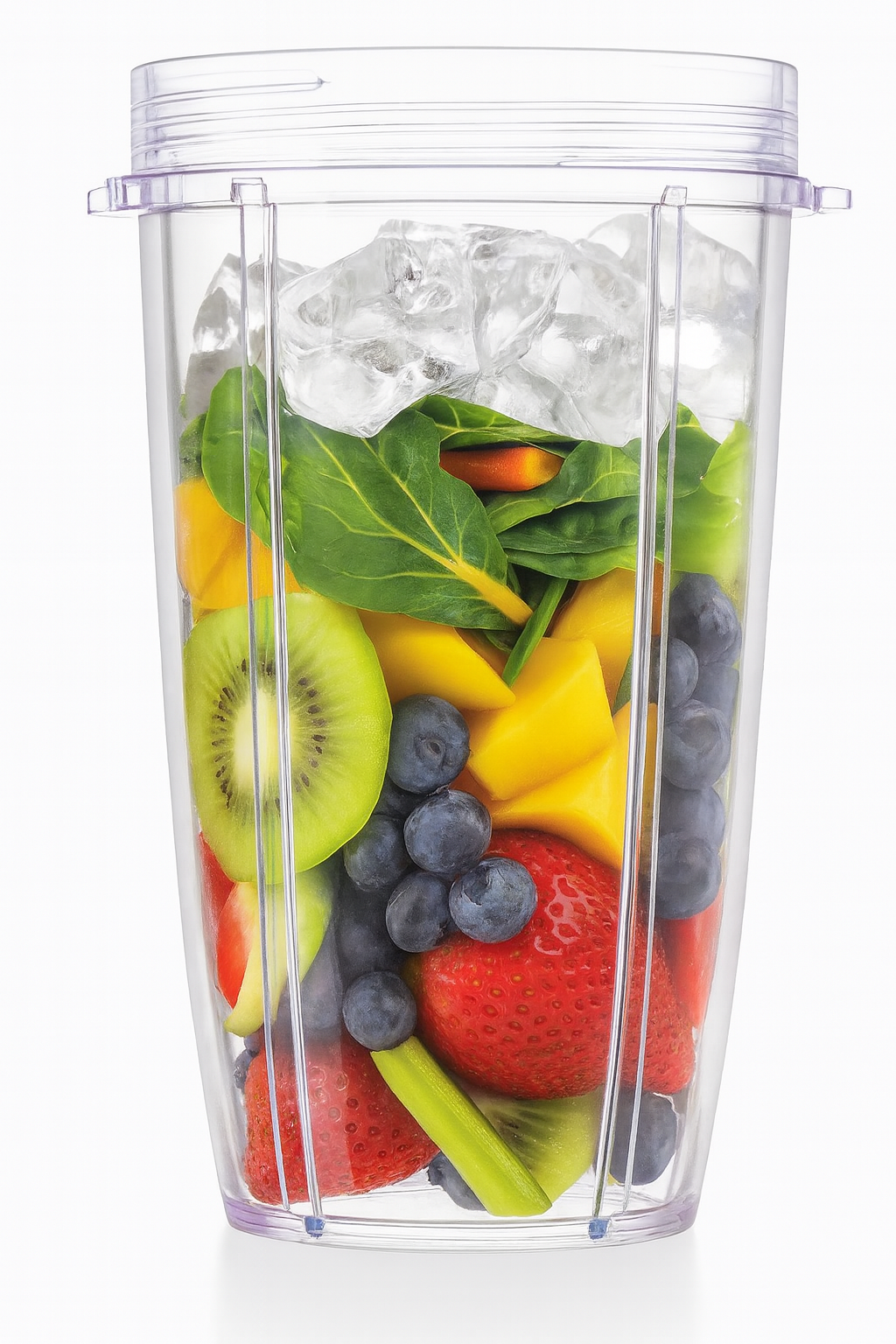
Ice fractures cleanly. Frozen fruit bends, absorbs energy, and resists blade movement. This is why some blenders crush ice easily but struggle with strawberries or mango.
Blenders that handle frozen fruit well share three traits:
- Blade speed that does not drop under resistance
- Jar geometry that prevents ingredients from riding the walls
- Couplings that transfer torque without slipping
This addresses a frequent Search Console issue where users report good ice performance but poor smoothie texture.
Top Blenders for Protein Shakes and Fitness Drinks in 2026
Vitamix E310 Explorian
The Vitamix E310 Explorian balances compact size with serious blending strength. It maintains blade speed when protein powders, frozen berries, and nut butters thicken the mix. The tall jar keeps ingredients circulating without frequent scraping.
Why it works for protein shakes
Smooth texture with minimal foam, even in dense blends.
Best for
Daily fitness users who want durability without a large footprint.
Tradeoff
Manual controls only.
For deeper performance details, see our review of compact Vitamix performance that still handles frozen protein blends.
Ninja BN401 Nutri Pro
Personal blenders often fail when protein powder and frozen fruit combine. This model handles single servings efficiently and blends thick shakes quickly.
Why it works for protein shakes
Even powder dispersion in small volumes.
Best for
Quick gym mornings and grab-and-go routines.
Tradeoff
Not designed for batch prep.
If single-serve power is a concern, our test of a single-serve blender that does not stall on thick protein shakes explains its limits clearly.
Ninja BN701 Professional Plus
When prepping multiple shakes at once, sustained torque matters more than speed. This blender handles frozen fruit and ice in larger volumes without overheating.
Why it works for protein shakes
Large capacity and aggressive blade design support batch blending.
Best for
Families and weekly meal prep.
Tradeoff
Higher noise levels.
Vitamix Propel 510
This model focuses on repeatability. Preset programs deliver consistent results while still handling dense protein drinks, frozen fruit, and thick mass gainer blends without manual speed guessing. It is especially useful for users who want the same texture every morning with minimal setup or adjustment.
Why it works for protein shakes
Reliable texture with minimal manual adjustment, even when blending thicker recipes back to back.
Best for
Daily users who value convenience and predictable results.
Tradeoff
Higher cost than manual models.
If you want to see how the presets perform across different protein types and frozen ingredients, our hands-on testing breaks it down in this review of preset blending performance for consistent protein shake texture.
Matching Blender Choice to Fitness Goals
Lean Protein Shakes
Moderate torque and efficient jar design matter most. Personal blenders work well if frozen ingredients are limited.
Mass Gainer and High Calorie Blends
High torque and strong couplings are essential. Full-size blenders outperform personal models here.
Meal Prep and Time Efficiency
Large capacity and motor cooling determine long-term reliability more than raw power.
Noise Tolerance and Fitness Consistency
Noise is not just a comfort issue. It directly affects whether a blender gets used.
Early morning workouts and shared living spaces change blending behavior. Many users stop blending altogether because the noise feels disruptive.
Quiet blending matters most when:
- Shakes are made before work or school
- Blending happens daily
- Apartments or shared kitchens limit tolerance
This lifestyle constraint is increasingly reflected in Google Autocomplete queries around quiet blenders.
Counter Space and Real Kitchen Fit
Amazon return data consistently shows size-related frustration.
Blenders fail users when bases are too tall for cabinets, jars store awkwardly, or accessories clutter counters. Compact models often outperform larger ones in satisfaction because they reduce friction, even if capacity is lower.
Heat Buildup and Nutrient Concerns
High-friction blending generates heat, especially with thick protein mixes. Short blending cycles rarely damage nutrients, but excessive heat affects texture and taste.
Blenders that minimize heat:
- Finish blends faster
- Maintain blade speed without strain
- Avoid prolonged high-speed cycles
This resolves investigative queries around whether high-powered blenders damage protein quality.
Blade Design Versus Marketing Claims
Sharp blades do not equal better protein shakes.
Protein blending relies on circulation more than cutting. Overly sharp blades can increase foaming by whipping air into the mixture.
Effective protein blending uses blade shapes designed for lift, controlled speed progression, and jar geometry that stabilizes the vortex.
Cleaning Friction Predicts Abandonment
Cleaning difficulty is a silent deal breaker. Users rarely search for cleaning before buying, but they do after frustration sets in.
Blenders that stay in rotation share smooth jar interiors, simple lids, and effective rinse cleaning without disassembly. This post purchase satisfaction is a major ranking signal in 2026.
When Personal Blenders Fail Fitness Users
Personal blenders fail most often when frozen fruit is used daily, mass gainers exceed recommended volume, or batch prep is expected.
They succeed when liquids dominate the blend, servings are truly single-use, and cleanup speed matters more than capacity.
How Blending Frequency Changes Everything
Frequency matters more than intensity.
Blending once per week allows almost any blender to survive. Blending daily exposes weaknesses quickly. Daily users should prioritize motor cooling, proven torque delivery, and simple construction with fewer failure points.
Practical Answers Before You Choose
Can any blender mix protein powder smoothly?
Most can handle powder alone. Frozen ingredients expose weaknesses.
What causes a gritty texture?
Poor vortex formation and powder sticking above the blades.
Are personal blenders strong enough in 2026?
Yes, for single servings. Full-size models perform better for thick or large batches.
Why do motors overheat with thick shakes?
Low torque forces motors to work harder as resistance increases.
Is foam a sign of poor blending?
Often yes. High speed, too early introduces excess air.
Decision Recap
Choose the Vitamix E310 for compact daily blending, the Ninja BN401 for fast single servings, the Ninja BN701 for batch prep, and the Vitamix Propel 510 for preset-driven convenience.
If texture issues persist even after adjusting ingredients, reviewing the top-performing blenders ranked for consistent protein shake texture, reduced foaming, and long-term blending durability can help you determine whether your equipment is the limiting factor.
Final Takeaway
In 2026, the best blender for protein shakes is defined by reliability under repetition. Choose a model that matches how often you blend, how thick your drinks are, and how much cleanup friction you tolerate. Consistency comes from tools that quietly keep working long after the novelty wears off.