Welcome to our blender recipe hub, built for real kitchens and real results. As part of our complete kitchen appliance and recipe resource, this collection focuses on tested blender recipes designed to deliver consistent texture, balanced flavor, and reliable performance across different blender types.
Whether you are making quick breakfast smoothies, blending hot soups, preparing sauces, or experimenting with doughs and batters, these recipes are written to help you get the most out of your blender without guesswork. Each recipe includes clear steps, practical tips, and realistic expectations based on how blenders actually perform at home.
If you are still deciding which machine best fits your needs, our In-depth blender reviews to match your cooking style explain how different blenders handle smoothies, soups, frozen ingredients, and thicker blends in everyday use.
Recipes Designed for Daily Blender Use
Not all blender recipes work the same across models. Some blenders excel at frozen fruit and ice, while others handle soups, sauces, or doughs more reliably.
That is why our recipes are designed to be:
- Clear about ingredient order and blending time
- Adaptable across high-speed and mid-range blenders
- Focused on texture, consistency, and real results
- Practical for daily use, not just occasional demos
We test recipes with performance in mind so you know what to expect before pressing start.
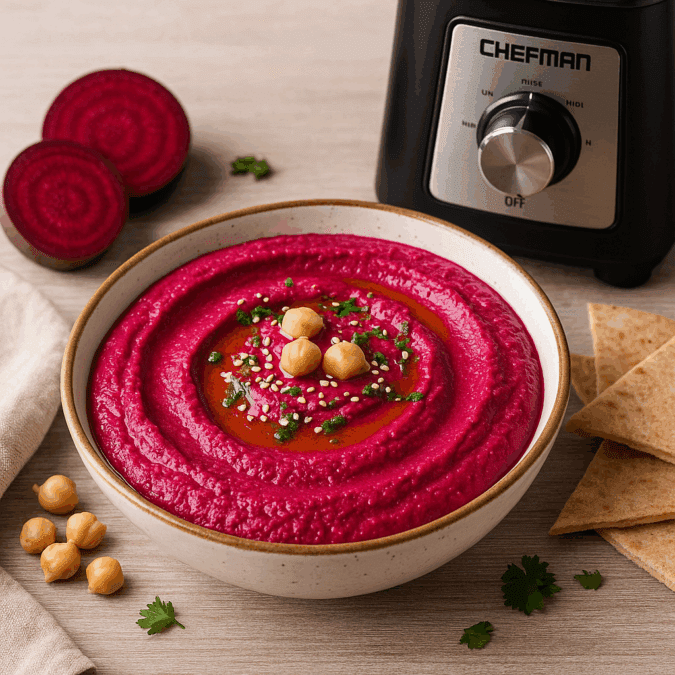
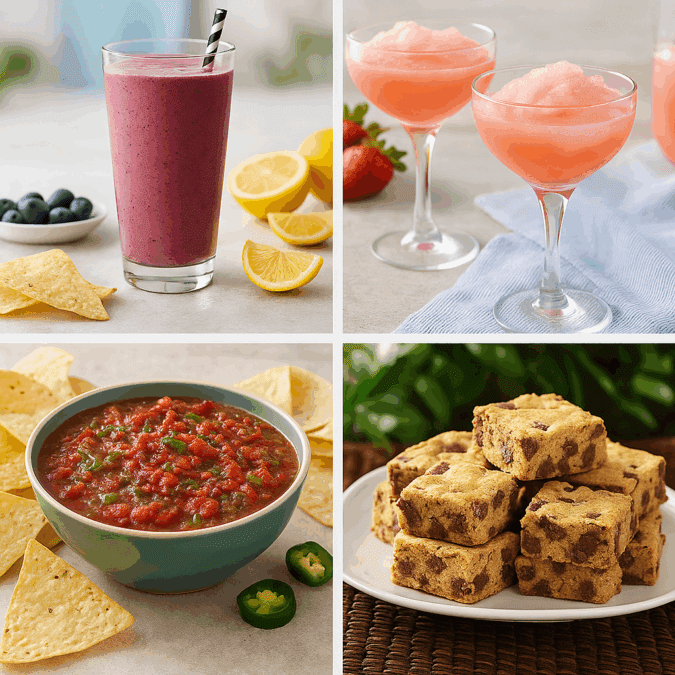
Roasted Beet & Goat Cheese Hummus (Chefman Obliterator Recipe)
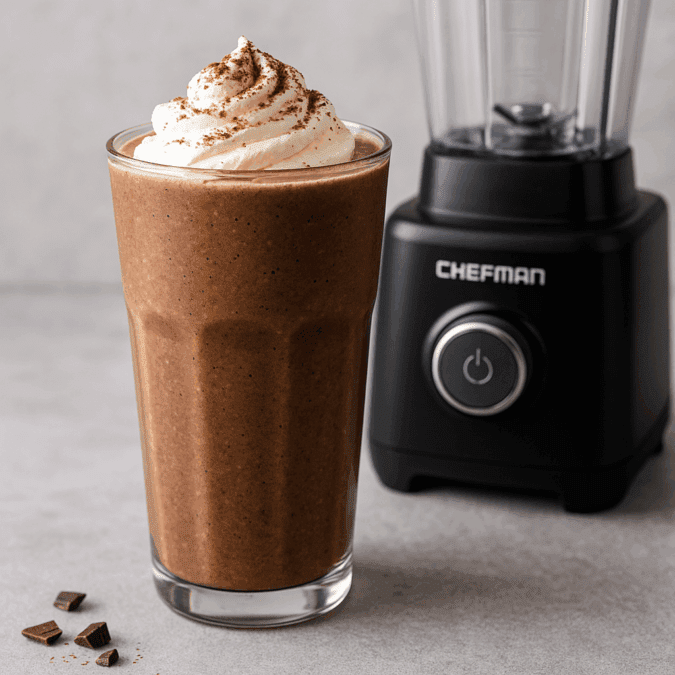
Frozen Mocha Protein Shake (Chefman Obliterator Recipe)
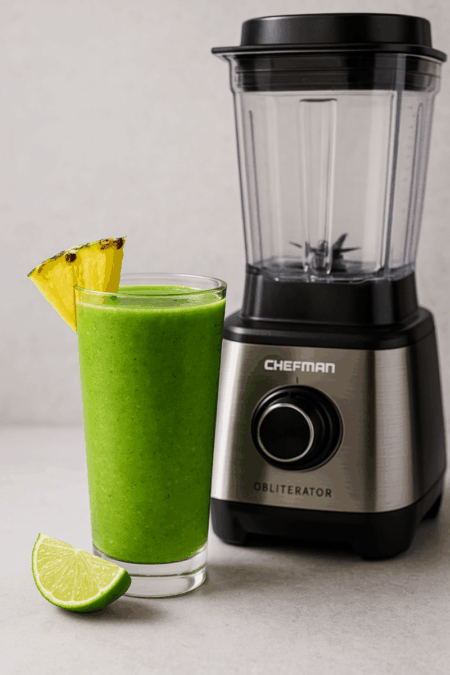
Tropical Detox Smoothie (Chefman Obliterator Recipe)
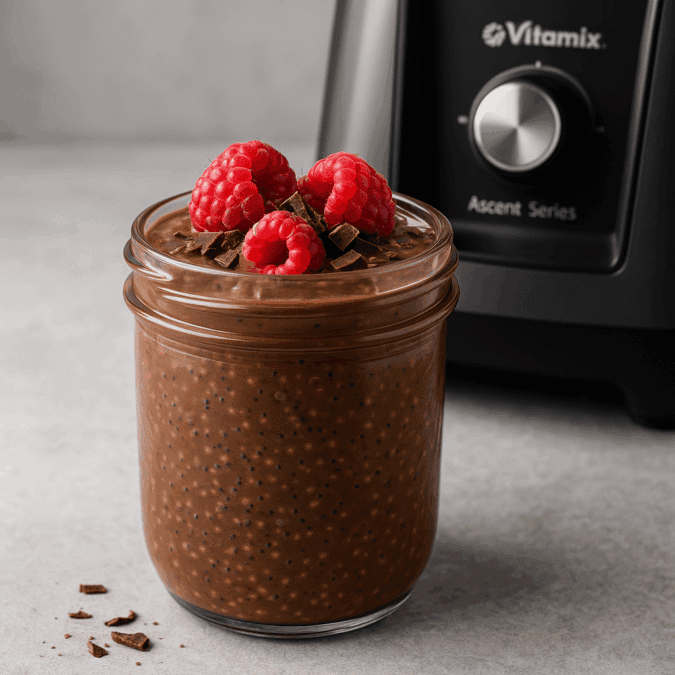
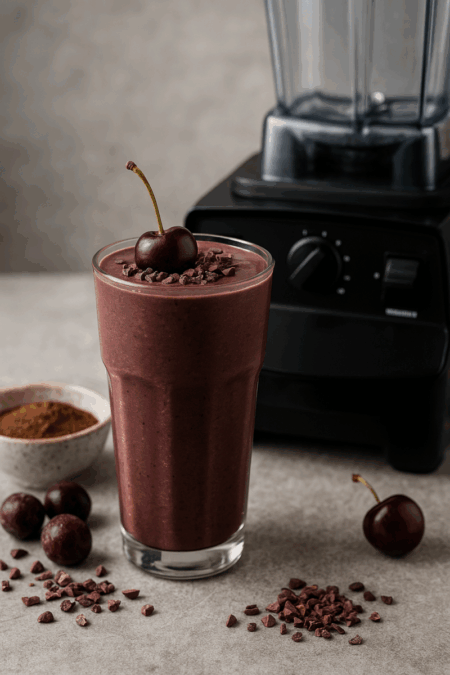
Chocolate Chia Protein Pudding (Vitamix Ascent X2 Recipe)
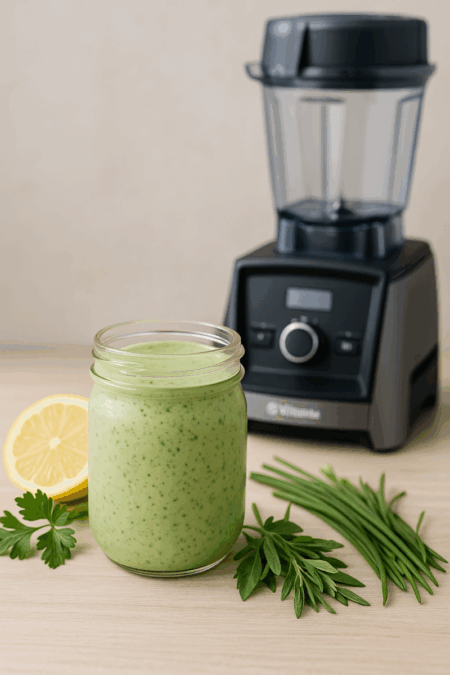
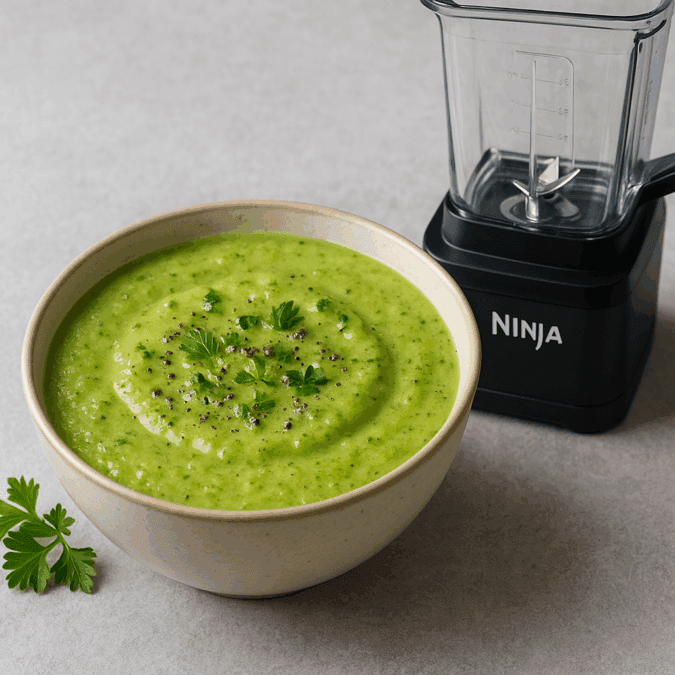
Green Goddess Dressing (Vitamix Ascent X2 Recipe)
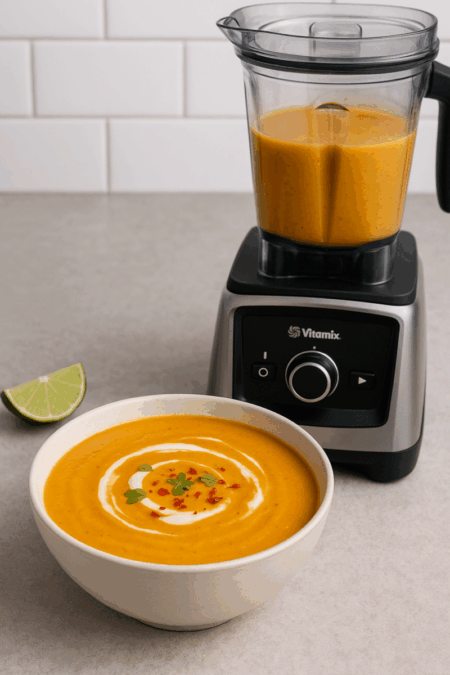
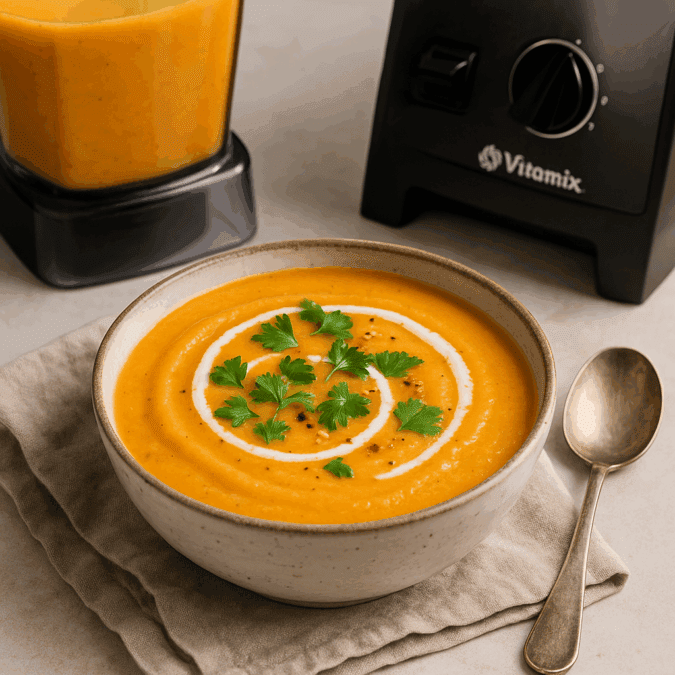
Sweet Potato Coconut Curry Soup (Vitamix Ascent X2 Recipe)
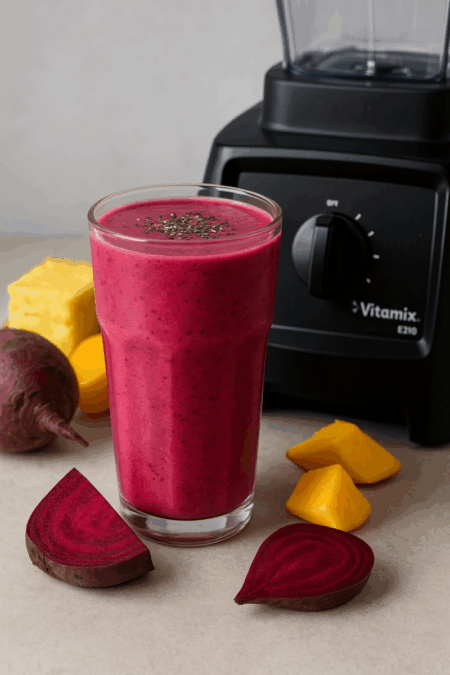
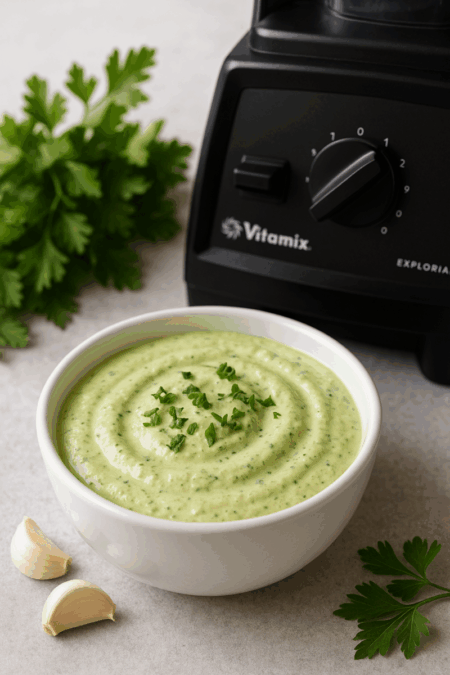
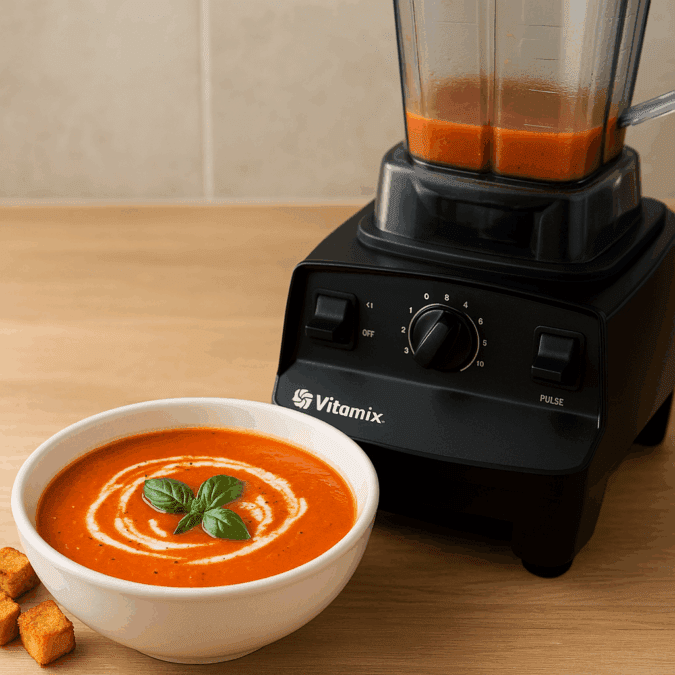
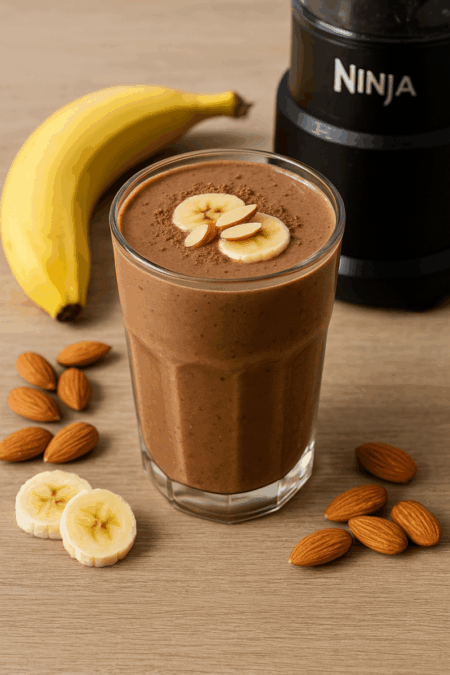
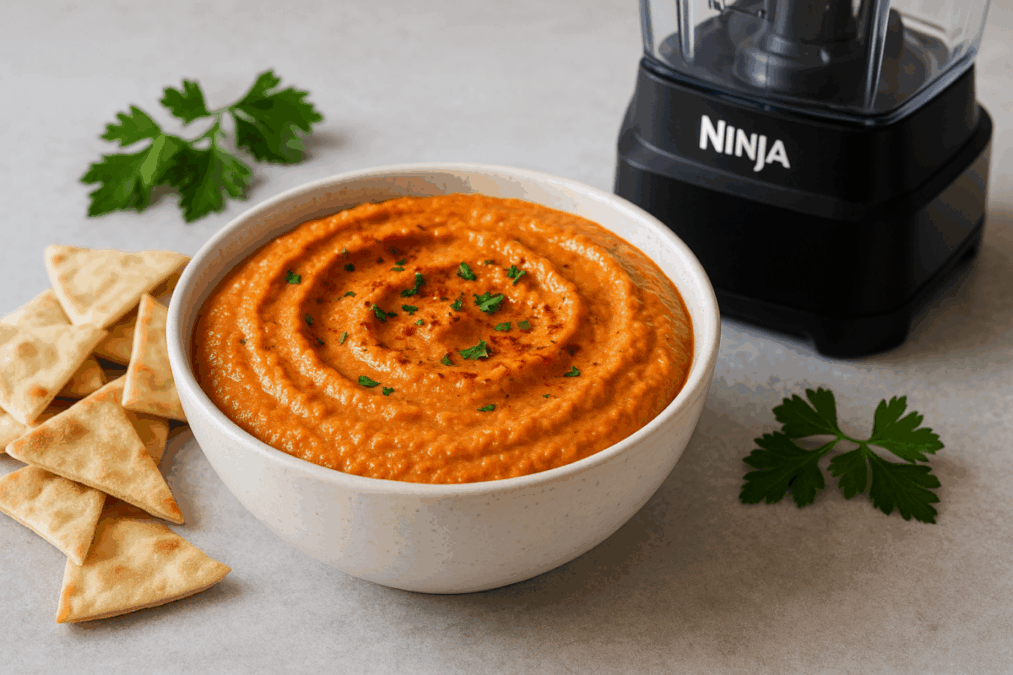
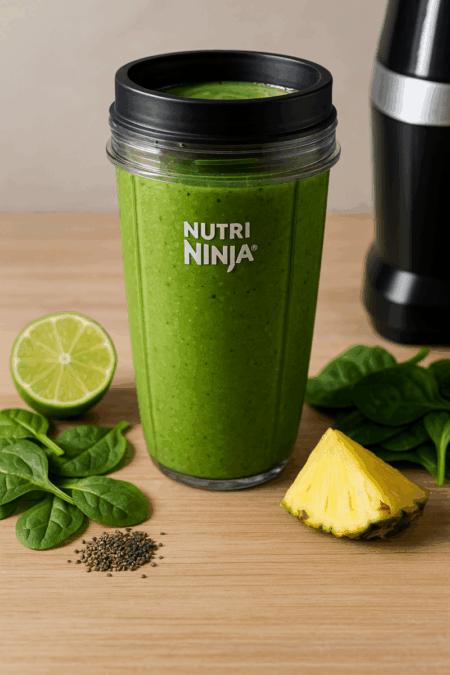
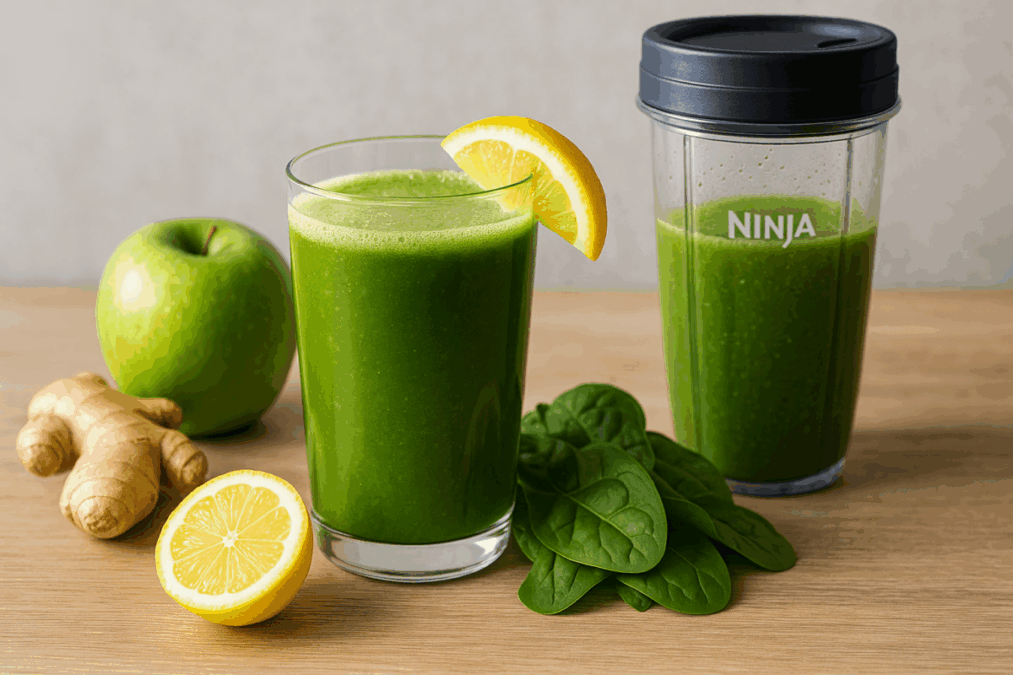
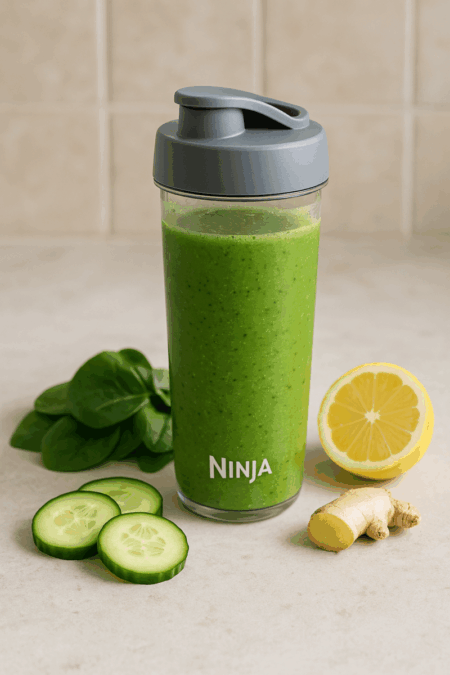
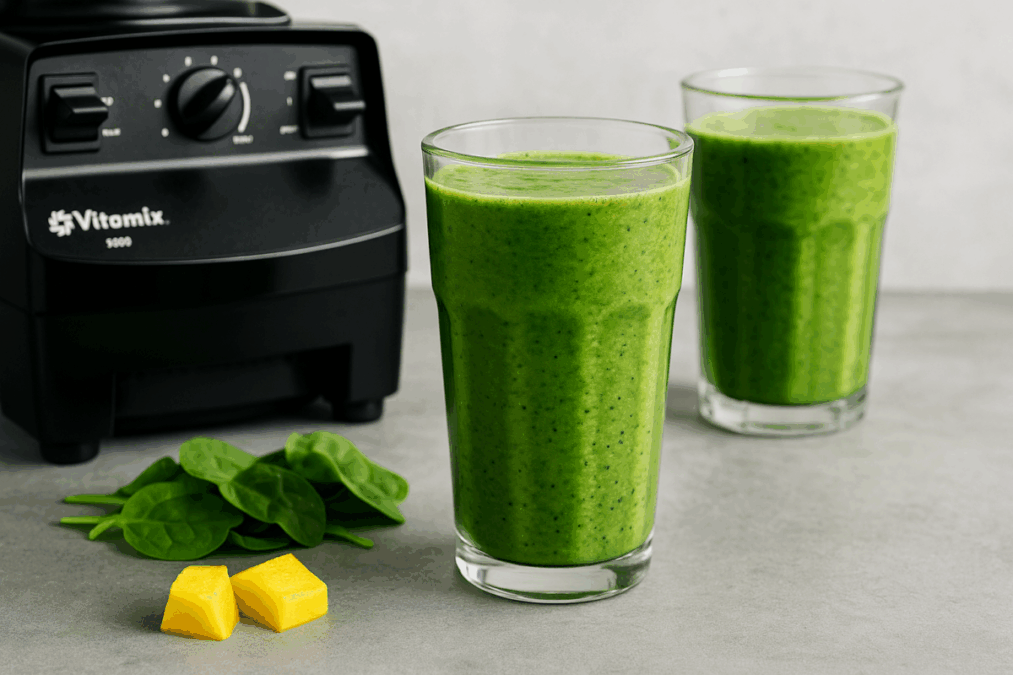
Tropical Green Detox Smoothie – Ninja BL642 Blender Recipe
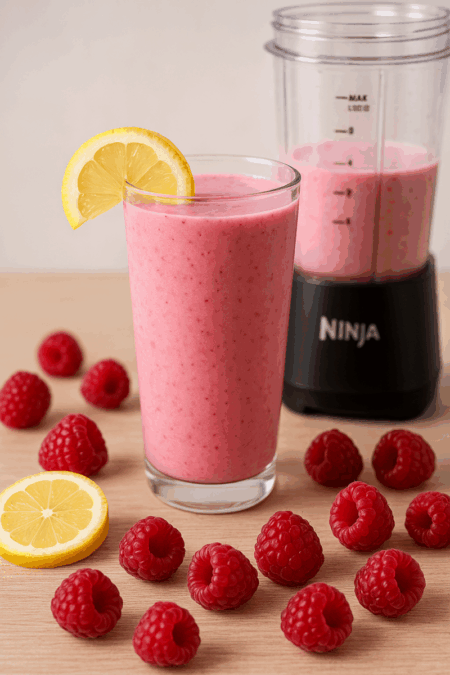
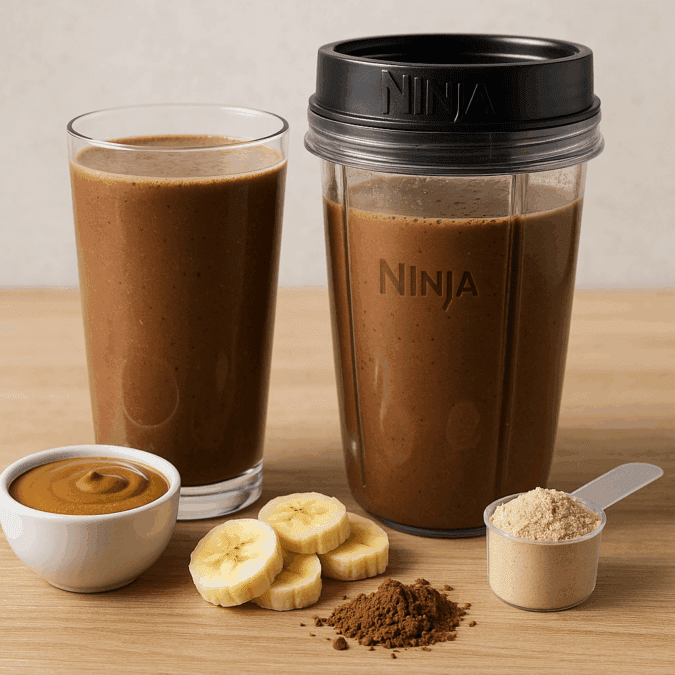
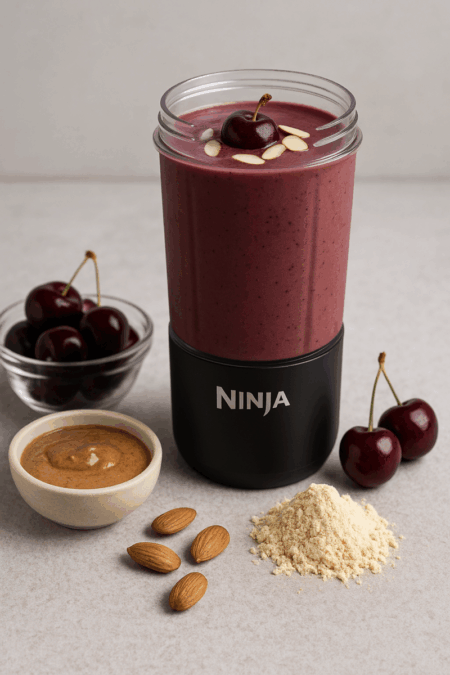
Raspberry Lemon Protein Shake – Ninja BN401 Blender Recipe
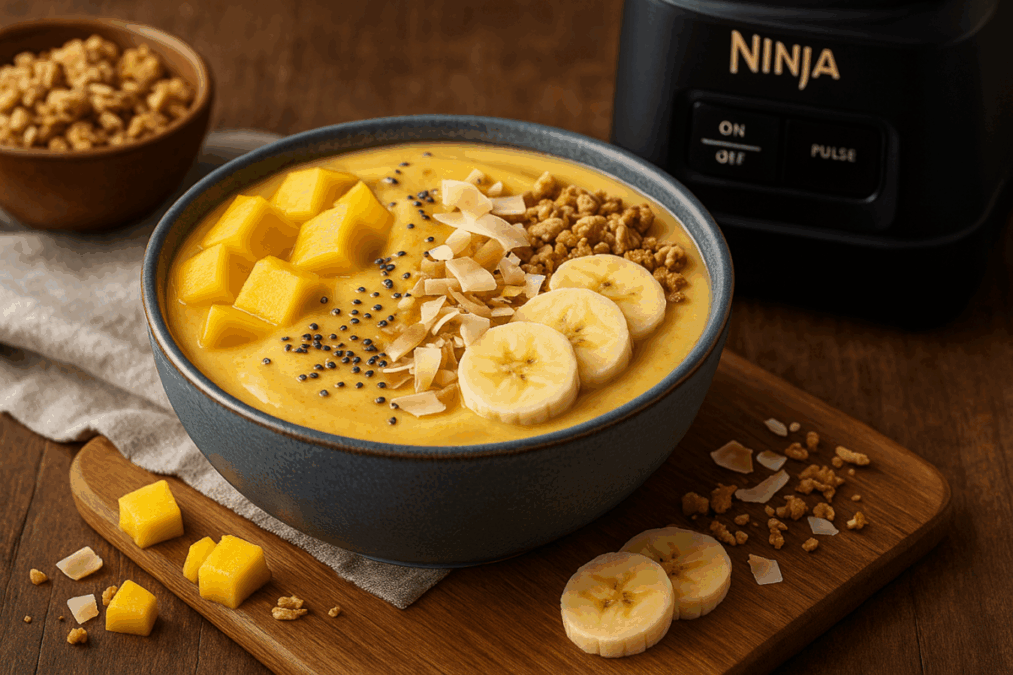
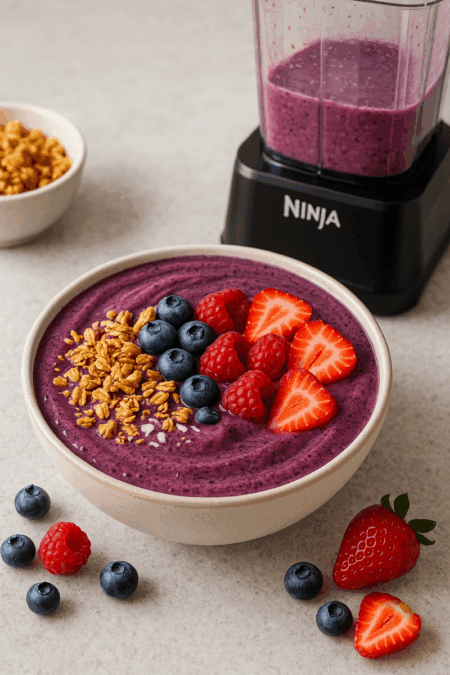
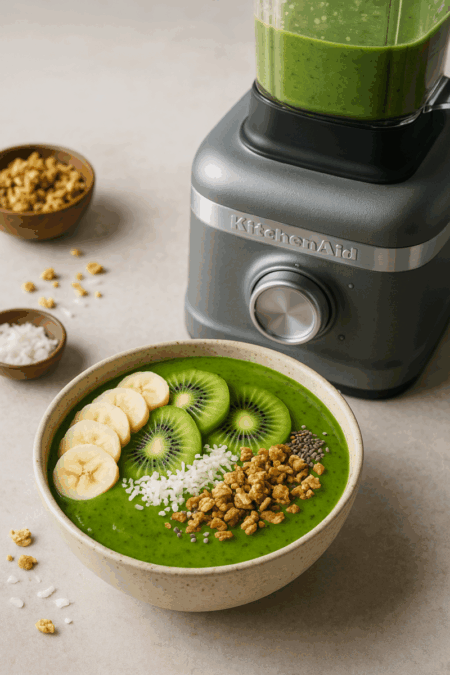
Mango Coconut Smoothie Bowl – Ninja BN401 Recipe
More Blender Recipes Coming Soon
We are continually expanding this recipe hub with new ideas based on how people actually use their blenders.
Upcoming additions include:
- Seasonal smoothie combinations
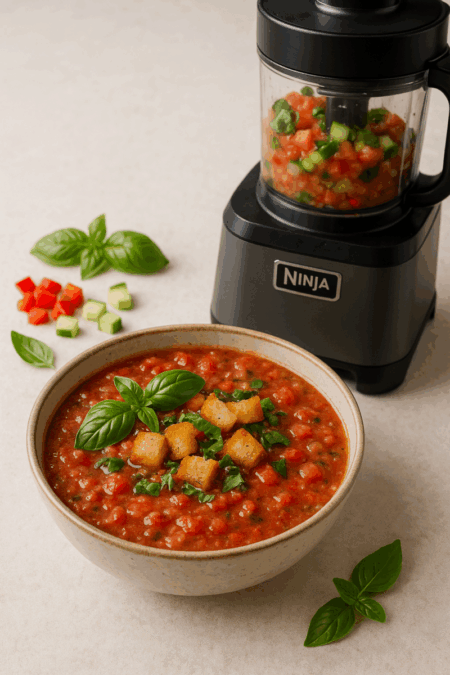
- Blender soups and sauces
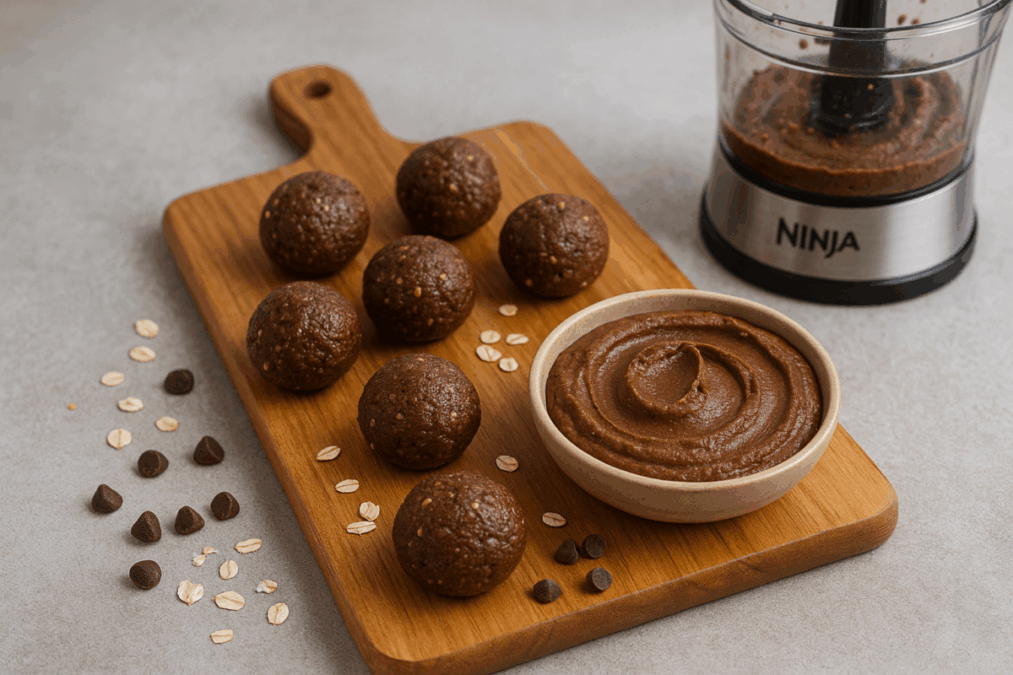
- Thick blends like nut butters and dough-style mixes
- Everyday recipes designed for fast cleanup and repeat use
Each recipe is tested for taste, texture, and efficiency so you can spend less time troubleshooting and more time enjoying the result.
How This Blender Recipes Hub Is Organized
This blender recipes hub is organized by real-world use rather than appliance brands or trends. Each recipe focuses on how blenders perform with different textures, temperatures, and ingredient loads.
Recipes are written to work across a range of blender types, from high-speed models to mid-range systems. Where performance differences matter, we explain what to expect so results are predictable.
Readers can explore recipes directly or move deeper into blender reviews and care guides based on their needs.
How to Get Better Results From Every Recipe
Recipes are only half the equation. Long-term performance depends on how well your blender is cared for between uses.
If you want consistent results and a longer lifespan, our guide on protecting your blender with easy cleaning and upkeep tips explains how proper cleaning, gasket care, and routine maintenance directly affect blending performance over time.
Blender Recipe Tips & Common Questions
Can I use a regular blender for hot soup recipes?
Yes, but with caution. Most standard blenders should only handle warm liquids in small batches. Blenders designed for heating or sustained high-speed blending are safer for hot soups.
What blender works best for green smoothies?
Blenders with stronger motors and sharper blade designs break down fibrous greens more smoothly. Power, blade angle, and container shape matter more than brand names.
Can blenders handle dough or thick batters?
Some can. Multi-function systems and high-performance blenders handle thicker mixtures better than compact or single-serve models. Dense doughs require slower speeds and careful pulsing.
How do I stop smoothies from separating?
Use frozen fruit, blend slightly longer, and include a creamy base like banana, yogurt, or nut butter. Separation is normal over time, but these steps slow it down.
Can I make nut butter in a blender?
Yes, with the right machine. High-powered blenders can handle nut butters, but compact models often struggle or overheat.
What is the easiest way to meal prep smoothies?
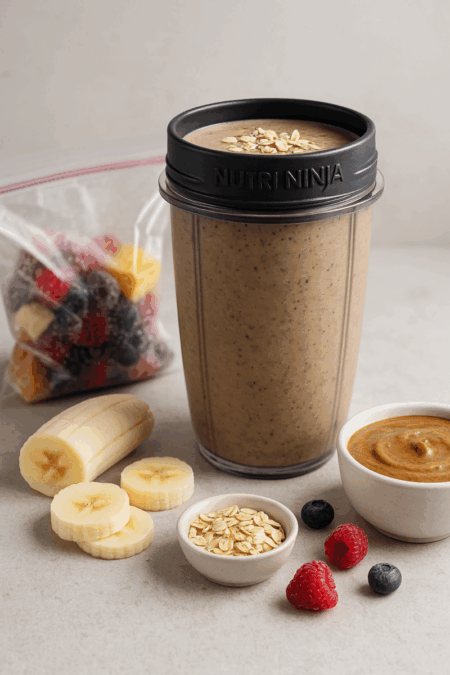
Prepare freezer packs with pre-measured ingredients. When ready, add liquid and blend. This saves time and improves consistency.