Kitchen in the Box Professional Blender Review – 1450 W, 68 oz Tritan Jar, 8-Point Blades
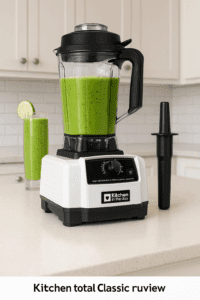
In this Kitchen in the Box Professional Blender review, we examine its 1450 W (2 HP) motor, 8-point stainless steel blades, and 68 oz BPA-free Tritan jar for large-batch blending. Learn how the stepless speed control and Pulse function handle smoothies, soups, frozen drinks, and sauces. We also cover dishwasher-safe parts, the included tamper tool, and how it compares to other high-performance countertop blenders for home use.
Product Brand: Kitchen in the Box
Product Currency: USD
Product In-Stock: InStock
(As an Amazon Associate, we earn from qualifying purchases.)
The Kitchen in the Box Professional High-Performance Countertop Blender is designed for shoppers who want strong blending performance without paying premium brand prices. With a 1450W motor, a large 68 oz container, and a manual control design, it targets everyday households that rely on smoothies, frozen drinks, and light food prep.
This review focuses on real-world use, long-term reliability expectations, and whether this blender is actually worth buying in 2026. If you are still comparing options, you can explore our complete blender reviews to see how this model fits within its price range and performance class.
Table of Contents
Performance at a Glance
| Task | Result |
|---|---|
| Smoothies | Smooth with frozen fruit |
| Frozen Fruit | Handles well |
| Ice Crushing | Consistent, small ice |
| Nut Butters | Possible with patience |
| Hot Blending | Supported |
| Noise Level | Loud |
| Ease of Cleaning | Easy |
How Powerful Is the Kitchen in the Box Blender in Real-World Blending?
The Kitchen in the Box blender uses a 1450W motor rated at roughly 2 horsepower. In daily use, that power translates into reliable performance with frozen fruit, ice, and fibrous ingredients like spinach or kale.
Smoothies blend evenly without large chunks when liquids are added first. Ice crushing is effective for drinks and slush-style blends, though the motor noise increases noticeably at higher speeds. This is expected in blenders within this power class.
For most households making smoothies, protein shakes, and frozen drinks several times per week, the motor strength feels more than adequate.
Preset Programs vs Manual Control: How It Actually Performs
This blender relies entirely on manual speed control rather than preset programs. The variable speed dial allows gradual adjustments, while the pulse function provides short bursts of power for chopping or thick blends.
In practice, manual control gives more flexibility than preset buttons, especially for users who like to fine tune texture. Thick smoothies, salsa-style blends, and coarse chopping are easier to control when speed changes are immediate.
Shoppers who prefer one-touch presets may miss automation, but users who value control often prefer this setup.
Container Size, Expandability, and Accessories
The 68 oz Tritan container is large enough for family-sized batches, meal prep, or multiple servings at once. For most households, this capacity prevents the need for repeated blending cycles.
The container is BPA-free and lightweight compared to glass alternatives. While it does not feel premium, it holds up well under regular use when handled carefully.
If you want ideas that suit the container size and blending style, compact-kitchen recipes that focus on realistic portioning and daily use tend to work especially well.
Noise Level Compared to Similar Blenders
Noise is one of the main trade-offs with this model. During ice crushing and frozen blends, the blender is noticeably loud. This is common for high-power countertop blenders without sound-dampening enclosures.
Compared to premium models, noise levels are higher. Compared to budget blenders under 100 dollars, performance is stronger, but volume is also greater.
If early morning use or shared living spaces are a concern, this is worth considering before buying.
Cleaning, Maintenance, and Daily Use
Cleaning is simple and quick. The container is dishwasher safe, and most users rely on the rinse method using warm water and dish soap. Running the blender for several seconds cleans the blades effectively.
Long-term care mainly involves drying the base area and avoiding over-tightening the container. For longevity tips specific to affordable models, follow our care tips for budget countertop blenders.
Daily use feels straightforward with a minimal learning curve.
Build Quality, Warranty, and Long-Term Reliability
The Kitchen in the Box blender uses a mostly plastic construction. While it does not match the durability of high-end brands, it feels acceptable for its price category.
The base is stable, and vibration remains controlled during blending. There is no locking mechanism for the pitcher, so users should confirm it is seated properly before starting.
It includes a limited warranty that covers manufacturing defects. This blender is better suited for moderate household use rather than heavy commercial-style workloads.
For most households using it a few times per week, durability should be acceptable over several years, though it is not designed for heavy daily workloads.
Who This Blender Is Best (and Worst) For
Best for:
- Households making smoothies and frozen drinks regularly
- Budget-conscious shoppers wanting high power
- Families who need a large batch capacity
- Users who prefer manual control over presets
Not ideal for:
- Noise-sensitive households, such as apartments or early morning users
- Very small kitchens with limited counter space
- Buyers seeking premium materials and a long lifespan
- Users wanting automated blending programs
Compared to similarly priced Ninja models, this blender focuses more on raw blending power and capacity rather than preset convenience.
Customer Feedback and Real World Satisfaction
Customer feedback highlights strong blending performance, especially with ice and frozen fruit. Many users mention smooth textures and fast results once they learn speed control.
Common complaints focus on noise, size, and plastic construction. Some users also note that nut butter requires scraping and patience, which is typical at this price level.
Overall satisfaction trends positively among buyers who prioritize power and value over refinement.
Frequently Asked Questions
Can this blender handle hot blending?
Yes, it supports hot ingredients for soups and sauces when used carefully.
Is it good for thick smoothies and nut butters?
Yes, though nut butters require pauses and scraping for best results.
How noisy is it compared to other blenders?
It is louder than most budget blenders and similar to other high-power models.
Is the blender easy to clean?
Yes, the blender is easy to clean. The container is dishwasher safe, and you can also clean it by adding warm water and soap and running the blender for a few seconds.
Is this an upgrade from entry-level blenders?
Yes. It delivers noticeably stronger ice crushing and smoother frozen blends than most entry-level models.
Is the capacity suitable for families?
Yes, the 68 oz container works well for family-sized batches.
Final Verdict
The Kitchen in the Box Professional High-Performance Countertop Blender delivers strong blending performance at a price that remains accessible in 2026. While it lacks premium materials and noise reduction, it offers real power, flexible control, and a large capacity that meet everyday household needs.
Compared to similarly priced Ninja models, this blender prioritizes raw power and capacity over presets and noise reduction.
For shoppers who want performance without premium pricing and understand the trade-offs, this blender is a solid value-focused choice.
If you are comparing alternatives, start with our complete blender reviews to see how it stacks up against other models tested.