Homemade ice cream has become increasingly popular as more households look for ways to customize ingredients and flavors.
Modern machines make it easier than ever to produce frozen desserts without complicated equipment.
The Whynter ICM-201SB is a compressor-style ice cream maker designed to simplify the process. Unlike freezer-bowl models, this machine includes a built-in cooling system that freezes ingredients during churning.
This review examines the machine from a practical perspective. We’ll look at freezing performance, dessert quality, usability, maintenance requirements, and long-term ownership considerations.
If you’re comparing several machines before choosing one, our guide to top ice cream maker models tested in real kitchens explains how today’s most popular appliances perform across different households.
Quick Buying Summary: Is the Whynter ICM-201SB a Good Investment?
The Whynter ICM-201SB is designed for users who want immediate ice cream production without pre-freezing a bowl.
Its internal compressor provides consistent freezing power, allowing multiple batches in a single session.
This convenience makes the machine especially appealing for people who prepare frozen desserts frequently.
However, compressor ice cream makers usually cost more and occupy slightly more countertop space than simpler freezer-bowl machines.
For many kitchens, the ability to produce ice cream on demand outweighs those drawbacks.
Table of Contents
Why Compressor Ice Cream Machines Are Becoming More Common
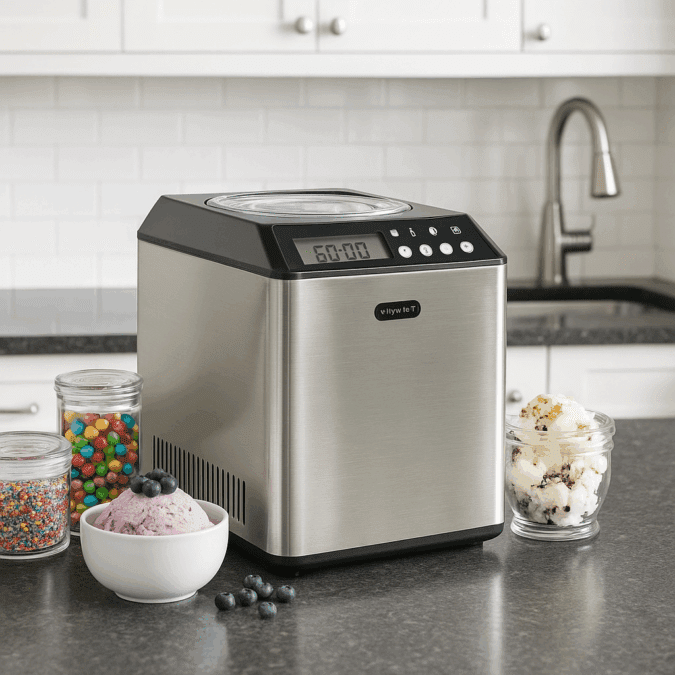
Ice cream makers generally fall into two main categories.
• Freezer-bowl machines
• Compressor ice cream makers
Freezer-bowl models require a mixing bowl to remain in the freezer for several hours before use.
Compressor machines eliminate that step by generating cold temperatures internally.
This difference significantly changes the preparation process.
Benefits of compressor machines include:
• No pre-freezing required
• Faster overall workflow
• Ability to make consecutive batches
• More stable freezing temperature
Because of these advantages, compressor models have become increasingly common in modern home kitchens.
Inside the Self-Cooling System Used by the Whynter ICM-201SB
The Whynter ICM-201SB operates using an internal refrigeration compressor.
This system functions similarly to a compact freezer.
Instead of relying on stored cold energy, the compressor continuously removes heat from the mixing bowl.
This allows the dessert mixture to freeze while the paddle churns the ingredients.
The process typically follows three simple stages.
Add the Dessert Base
The prepared mixture is poured directly into the removable stainless steel bowl.
Select the Mixing Time
The LCD control panel allows users to adjust the timer depending on the recipe.
Automatic Churning and Freezing
While the paddle rotates, the compressor lowers the bowl temperature and gradually freezes the mixture.
This method creates a consistent environment for producing smooth frozen desserts.
Batch Size and Serving Capacity
The Whynter ICM-201SB can produce up to 2.1 quarts of frozen dessert per batch.
This capacity works well for households that want enough dessert for several people.
Typical servings per batch include:
• 5–6 portions of ice cream
• 4–5 servings of gelato
• 4 servings of fruit sorbet
Because the machine contains its own compressor, additional batches can be prepared immediately after the first one finishes.
This makes the machine practical for small gatherings or family dessert nights.
Dessert Texture and Creaminess After Mixing
Texture quality is one of the most important aspects of any ice cream machine.
The Whynter ICM-201SB produces smooth results due to its consistent cooling environment.
Continuous freezing during churning helps prevent large ice crystals from forming.
Most recipes finish with a soft-serve consistency immediately after churning.
Many users transfer the mixture to a freezer container for another one to two hours if a firmer scoopable texture is desired.
This short storage period allows the dessert to set while maintaining creaminess.
Real Kitchen Performance Testing
To evaluate performance, several common frozen dessert recipes were prepared using the machine.
Traditional Vanilla Ice Cream
A custard-style vanilla base thickened after roughly 25 minutes of churning.
After additional freezer time, the dessert produced firm scoops with a creamy interior.
Mango Sorbet
Fruit sorbet freezes slightly faster because it contains less fat than dairy recipes.
The final texture remained smooth without noticeable ice crystals.
Cookies and Cream Ice Cream
Crushed cookie pieces were added near the end of the mixing cycle.
The rotating paddle distributed the pieces evenly throughout the ice cream.
Across multiple recipes, the machine maintained a stable temperature and consistent churning.
Practical Tips for Getting Better Ice Cream Results
Small adjustments can improve the final texture of homemade ice cream.
Experienced users often follow a few simple techniques.
• Chill the mixture before adding it to the machine
• Avoid overfilling the mixing bowl
• Add mix-ins near the end of churning
• Allow the dessert to firm in the freezer for a short period
These adjustments help reduce ice crystal formation and produce smoother frozen desserts.
What the Ice Cream Making Process Feels Like During Real Use
Operating the Whynter ICM-201SB is straightforward.
Most users follow a simple routine.
- Prepare the ice cream base
- Pour the mixture into the mixing bowl
- Select the mixing time on the LCD panel
- Allow the machine to churn automatically
Because the compressor handles the freezing process, there is no need to plan ahead or freeze components.
The machine stops when the timer finishes, leaving the dessert ready for serving or additional freezing.
Typical Freezing Time for Ice Cream, Gelato, and Sorbet
Different recipes require slightly different mixing times.
Typical preparation timeline:
• Ingredient preparation: 10–15 minutes
• Churning and freezing: 20–40 minutes
• Optional firming in freezer: 1–2 hours
Unlike freezer-bowl machines, there is no need to wait for a bowl to freeze overnight.
This makes the overall dessert-making process faster and more flexible.
Where the Whynter ICM-201SB Fits Among Modern Ice Cream Machines
The Whynter ICM-201SB belongs to the compressor ice cream maker category.
Compared with freezer-bowl models, compressor machines offer greater convenience.
Advantages include:
• Immediate ice cream production
• Multiple batches in one session
• More consistent freezing performance
However, compressor machines also tend to be:
• More expensive
• Larger in size
• Slightly louder during operation
For frequent dessert makers, the convenience often outweighs the higher price.
Cleaning and Care After Each Batch
Cleaning the machine is relatively simple because the main components are removable.
Key parts include:
• Stainless steel mixing bowl
• Churn paddle
• Transparent lid
These components can be washed with warm water and mild detergent.
The exterior housing should only be wiped with a damp cloth to protect the internal compressor.
If you’re learning how to extend appliance lifespan, our step-by-step guide to cleaning ice cream makers properly explains the best maintenance practices.
Operating Noise and Kitchen Environment
Because the machine contains a refrigeration compressor, it produces some mechanical sound while running.
The noise level is comparable to that of a small refrigerator.
Most users find the sound manageable because the machine typically runs for less than 40 minutes per batch.
In most kitchens, the noise level does not interfere with normal activities.
Expected Lifespan and Long-Term Durability
The Whynter ICM-201SB includes a motor protection feature designed to prevent overheating.
If the mixture becomes too thick, the system automatically reduces strain on the motor.
With proper maintenance, compressor ice cream makers can remain reliable for many years.
Helpful ownership habits include:
• Avoid overfilling the mixing bowl
• Cleaning removable components regularly
• Ensuring proper airflow around the machine
These steps help maintain consistent performance over time.
Ingredient Cost Compared With Store-Bought Ice Cream
Homemade ice cream often uses basic pantry ingredients.
Common components include:
• Milk or cream
• Sugar
• Eggs
• Flavor extracts or fruit
Depending on the recipe, homemade ice cream can cost less per serving than premium store brands.
Many people also appreciate the ability to:
• Control sweetness levels
• Avoid preservatives
• Create unique flavor combinations
This flexibility is one of the biggest reasons people invest in ice cream machines.
Common Purchasing Mistakes When Choosing an Ice Cream Maker
New buyers sometimes overlook important differences between machine types.
Common mistakes include:
• Ignoring countertop space requirements
• Choosing machines with insufficient capacity
• Expecting instant results from freezer-bowl machines
• Overlooking compressor noise levels
Understanding these factors helps buyers select a machine that fits their kitchen habits.
Pros and Cons
Pros
• Built-in compressor eliminates bowl freezing
• Can produce multiple batches consecutively
• Smooth dessert texture with minimal ice crystals
• Durable stainless steel construction
• Simple LCD control panel
Cons
• Higher price compared with freezer-bowl models
• Larger countertop footprint
• Moderate compressor noise during operation
Who This Ice Cream Maker Works Best For
The Whynter ICM-201SB is particularly suitable for:
• Frequent homemade dessert makers
• Families hosting small gatherings
• Users who prefer on-demand ice cream production
• Kitchens that can accommodate a larger appliance
The built-in compressor makes it convenient for regular use.
Situations Where Another Machine Might Be Better
Some users may prefer a simpler ice cream maker.
Freezer-bowl machines may be more suitable for:
• Occasional dessert preparation
• Smaller kitchens with limited counter space
• Buyers seeking lower upfront cost
Although they require advance preparation, freezer-bowl machines remain a practical option for many households.
Countertop Space and Kitchen Placement
One factor many buyers overlook when choosing an ice cream maker is how much kitchen space the machine requires.
Compressor ice cream makers like the Whynter ICM-201SB are larger than freezer-bowl machines because they contain an internal refrigeration system.
The upright design of this model helps reduce the footprint compared with wider machines.
Typical placement considerations include:
• Leaving ventilation space around the machine
• Ensuring the lid can open fully
• Keeping the machine away from heat sources
• Storing the appliance on a stable counter
The machine measures roughly 11 × 14 × 10 inches, which fits comfortably on most kitchen counters but may feel large in compact kitchens.
Many owners store the machine in a cabinet between uses and place it on the counter only when preparing desserts.
How Well the Whynter ICM-201SB Handles Different Frozen Dessert Recipes
One advantage of compressor ice cream makers is their ability to handle a wide range of recipes.
Because the machine continuously cools the mixture during churning, it can maintain stable temperatures even with heavier or cream-based recipes.
Common desserts people prepare with this machine include:
• Traditional ice cream
• Italian-style gelato
• Dairy-free coconut ice cream
• Fruit sorbet
• Frozen yogurt
Recipes with higher fat content usually produce the creamiest texture.
Fruit-based sorbets tend to freeze faster because they contain less dairy.
The consistent cooling environment helps the machine produce reliable results across these different recipe styles.
Storage Tips for Homemade Ice Cream
Homemade ice cream often contains fewer stabilizers than commercial brands.
Because of this, proper storage is important for maintaining a smooth texture.
After churning, many people transfer the dessert into an airtight freezer container.
Helpful storage practices include:
• Using freezer-safe containers with tight lids
• Pressing parchment paper against the surface of the ice cream
• Avoiding frequent temperature changes in the freezer
• Consuming the dessert within one week for the best flavor
Allowing the ice cream to sit at room temperature for a few minutes before scooping can also improve texture.
Signs the Machine Is Producing Proper Ice Cream Texture
During the mixing process, the dessert mixture gradually thickens as it freezes.
Recognizing the signs of proper churning can help users achieve better results.
Typical indicators include:
• The mixture thickens after about 10–15 minutes
• The paddle begins pushing thicker ice cream
• The texture resembles soft-serve when finished
• Mix-ins distribute evenly throughout the mixture
If the mixture remains very liquid after the mixing cycle ends, the recipe may contain too much liquid or the timer may need adjustment.
Before You Buy: Important Considerations With Compressor Ice Cream Makers
Compressor ice cream machines provide convenience, but they are not always necessary for every household.
Before purchasing the Whynter ICM-201SB, it helps to consider how often you plan to make frozen desserts.
Important factors include:
• Available counter space
• Frequency of dessert preparation
• Batch size requirements
• Budget considerations
For households that make ice cream frequently, compressor machines can save time and simplify the process.
However, people who only make dessert occasionally may find freezer-bowl machines sufficient.
Understanding your typical usage helps determine whether the added convenience is worth the higher price.
Why Many Home Cooks Choose Compressor Ice Cream Machines
Compressor ice cream makers are often considered the most convenient type of home ice cream machine.
Unlike freezer-bowl models, they do not require advance preparation.
This allows users to prepare frozen desserts whenever they want.
Many home cooks prefer compressor machines because they:
• Allow spontaneous dessert preparation
• Support multiple batches in a single session
• Maintain stable freezing temperatures
• Require less planning before use
These advantages make compressor machines particularly appealing for families that enjoy homemade desserts regularly.
Common Questions About the Whynter ICM-201SB
Does the Whynter ICM-201SB require pre-freezing the bowl?
No. The machine uses an internal compressor that cools the mixing bowl automatically during operation.
How much ice cream can it produce at once?
The machine can produce up to 2.1 quarts per batch, which typically provides several servings for a family.
What desserts can this machine make?
It can prepare ice cream, gelato, sorbet, and frozen yogurt, depending on the recipe used.
How long does it take to make ice cream?
Most recipes require 20–40 minutes of churning, depending on ingredients and desired texture.
Is the machine easy to clean?
Yes. The removable bowl and paddle can be washed with warm water, while the exterior should be wiped clean with a damp cloth.
Final Thoughts on the Whynter ICM-201SB Ice Cream Maker
The Whynter ICM-201SB offers a convenient solution for making frozen desserts without waiting for a bowl to freeze.
It’s built-in compressor allows multiple batches in a single session and provides consistent freezing performance.
Although compressor machines cost more than basic models, the convenience of on-demand ice cream makes this appliance appealing to many households.
For people who enjoy experimenting with homemade desserts regularly, the Whynter ICM-201SB provides a reliable and practical option.