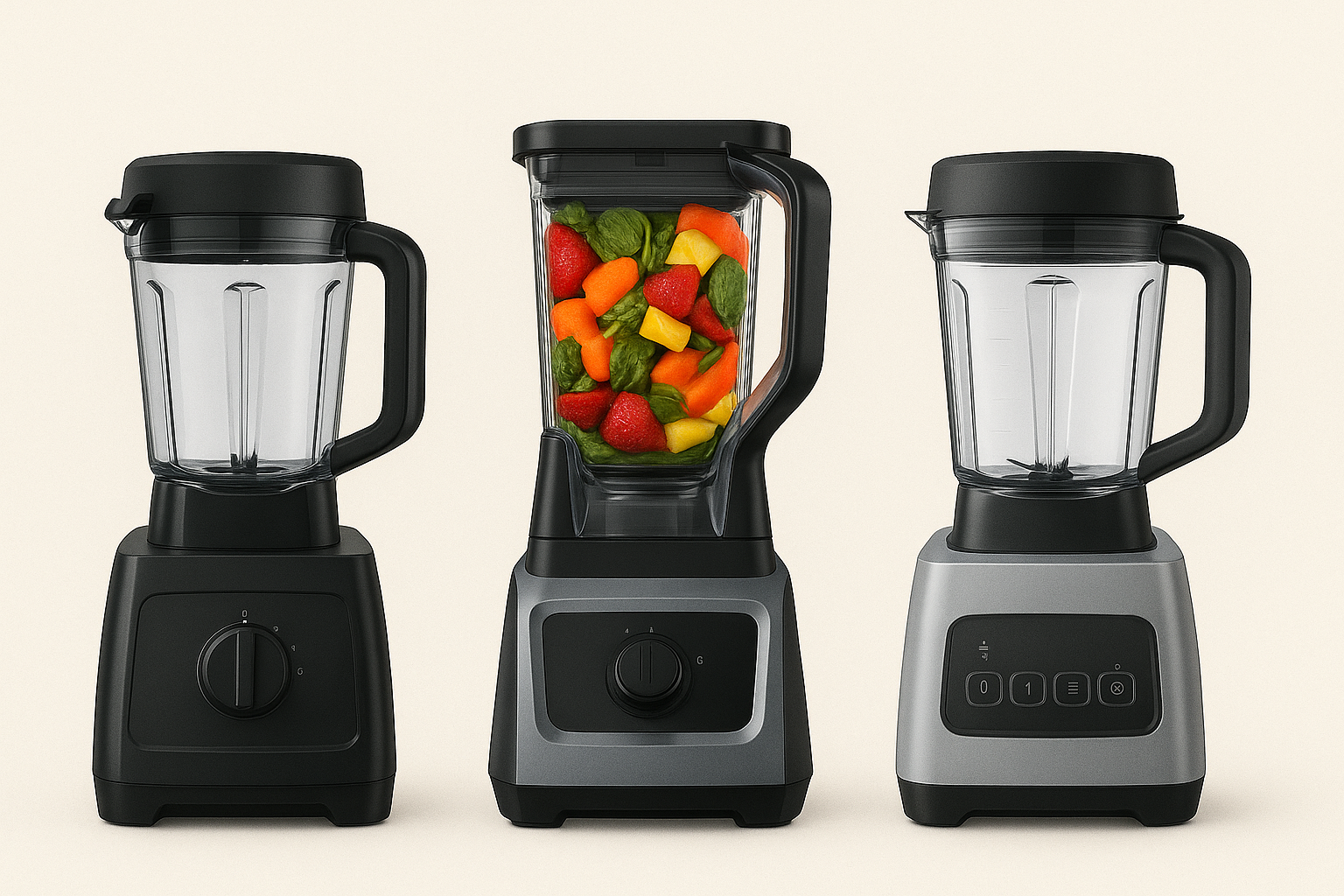
Choosing the best blender depends on how you actually plan to use it. Some people blend quick smoothies once a day. Others crush ice, make hot soups, or prepare thicker mixtures like nut butters and frozen desserts.
As part of our real-world blender research and buying hub, this guide helps you compare blender types, features, and performance differences so you can choose a model that fits your kitchen, budget, and routine without guessing or overbuying.
All recommendations across IMSolutionRealm are based on real testing, long-term use, and practical outcomes, not spec sheets alone.
How This Best Blenders Hub Is Organized
This page acts as a decision guide, not a product review.
Here’s how to navigate it:
- Use this hub to understand which type of blender you need
- Dive into expert-tested reviews of top blender models when you want durability, performance data, and long-term value comparisons
- Use in-depth head-to-head matchups when you are deciding between specific models or brands
Each section below focuses on matching blender capabilities to real-world tasks.
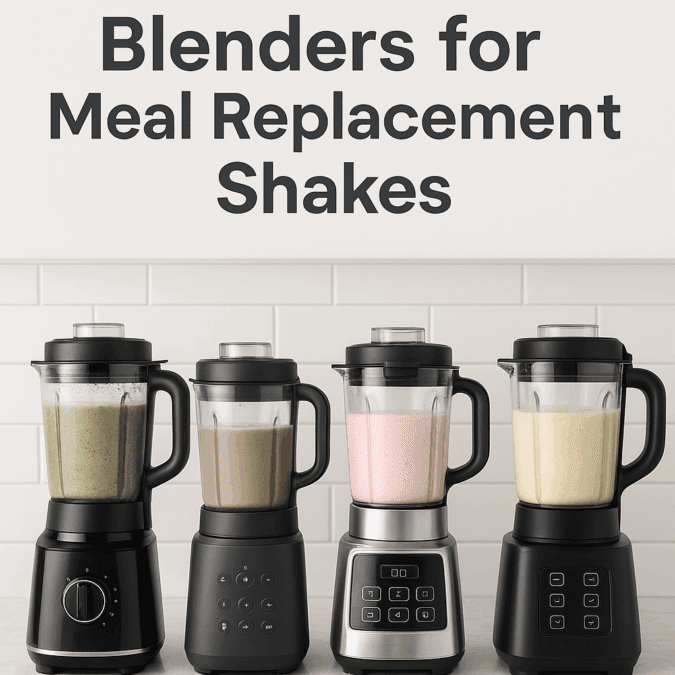
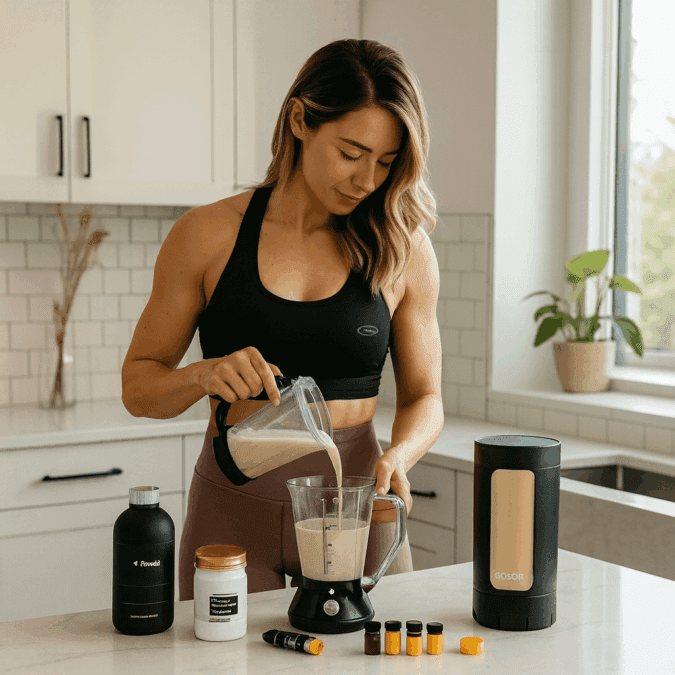
Best Blenders for Protein Shakes and Fitness Drinks in 2026
Best Personal Blenders in 2026: Reviewed and Ranked
What to Consider Before Buying a Blender
Most blenders fall short not because they are defective, but because they are mismatched to the user’s needs. These are the factors that matter most.
Motor Power and Load Handling
Higher wattage helps with ice, frozen fruit, and thick blends, but raw power alone is not enough. Consistent blade speed under load matters more than peak numbers.
Jar Size and Shape
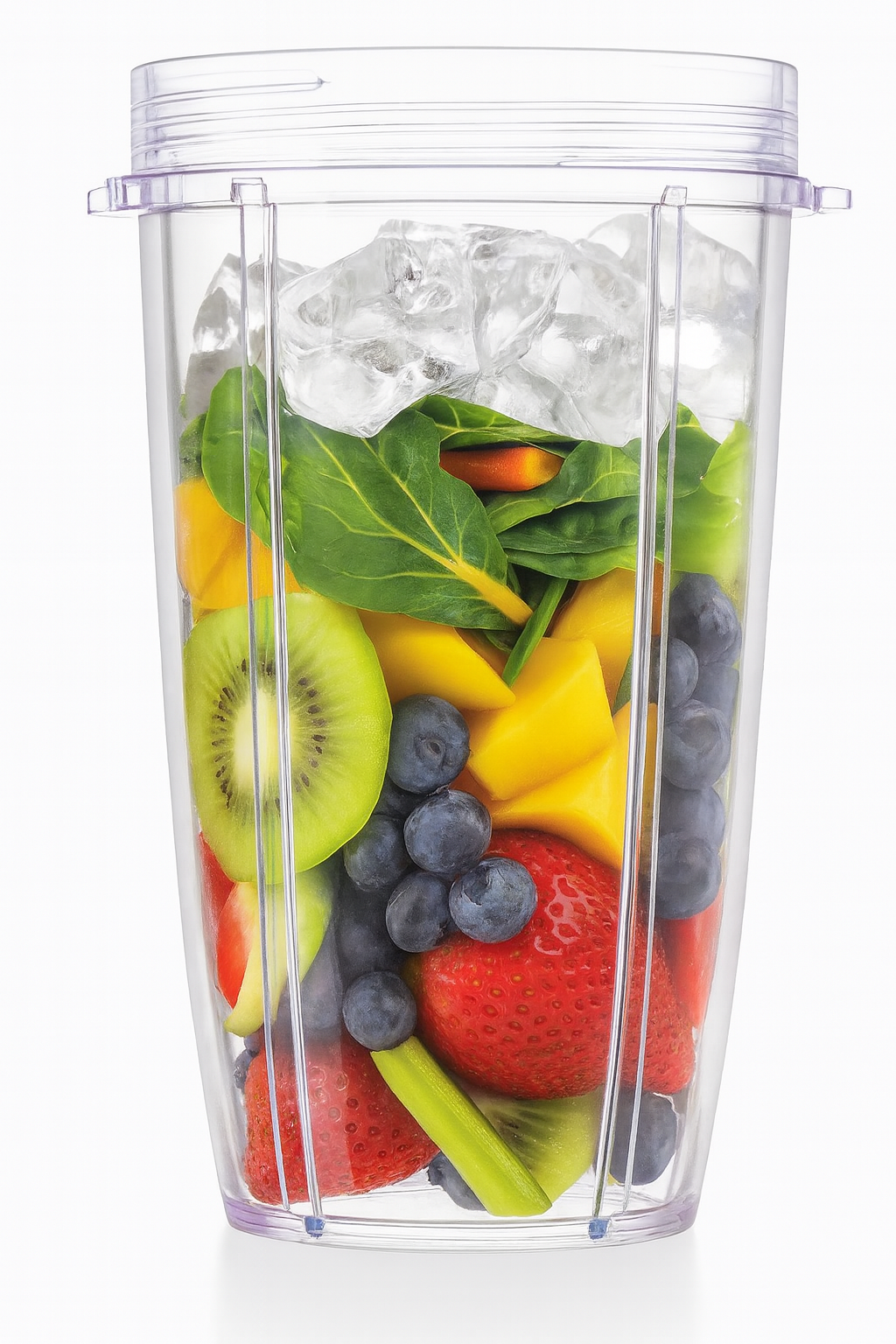
Single-serve jars work well for personal smoothies. Larger pitchers are better for families, soups, and batch prep. Jar shape also affects circulation and blending efficiency.
Blade Design and Durability
Well-designed stainless steel blades resist dulling and handle ice and frozen ingredients with less strain. Poor blade geometry often causes uneven blending or overheating.
Noise Levels
Some high-powered blenders are loud by nature. Sound-dampened designs or enclosed systems are better for early mornings or shared spaces.
Cleaning and Maintenance
Dishwasher-safe parts, smooth jar interiors, and accessible gaskets reduce long-term frustration. Ease of cleaning directly affects how often a blender gets used.
Warranty and Longevity
Long warranties often reflect confidence in motor and electronics quality. They also matter if you blend frequently or rely on your blender daily.
Matching Blender Types to Real Use Cases
Instead of choosing by brand alone, match the blender to how you cook.
- Daily smoothies and protein shakes
Mid-range blenders handle these tasks well with proper ingredient ratios. - Ice crushing and frozen desserts
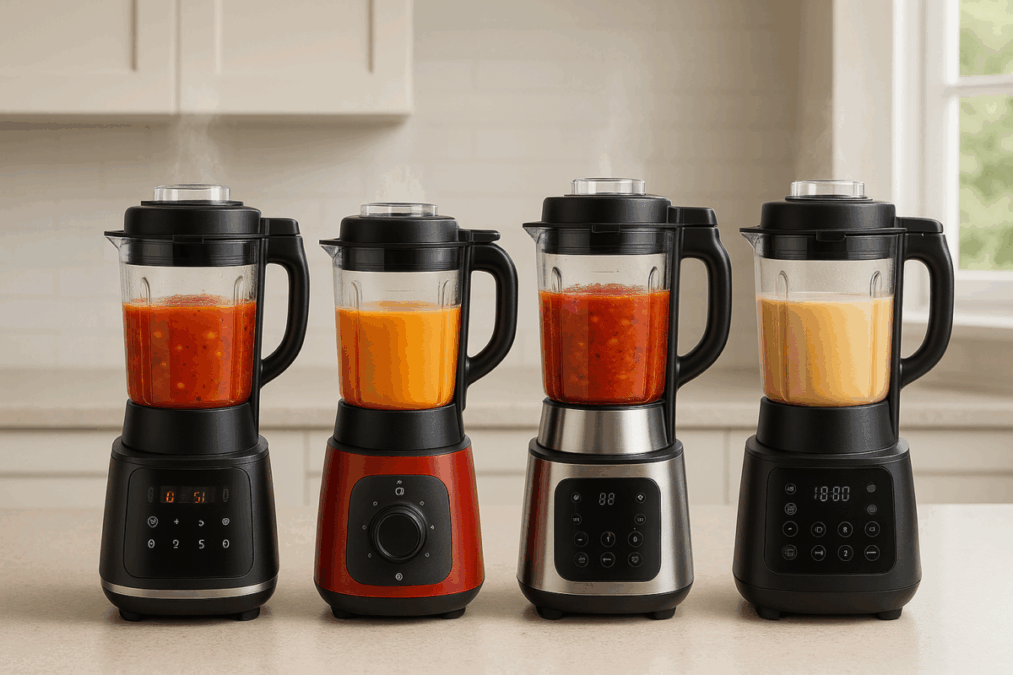
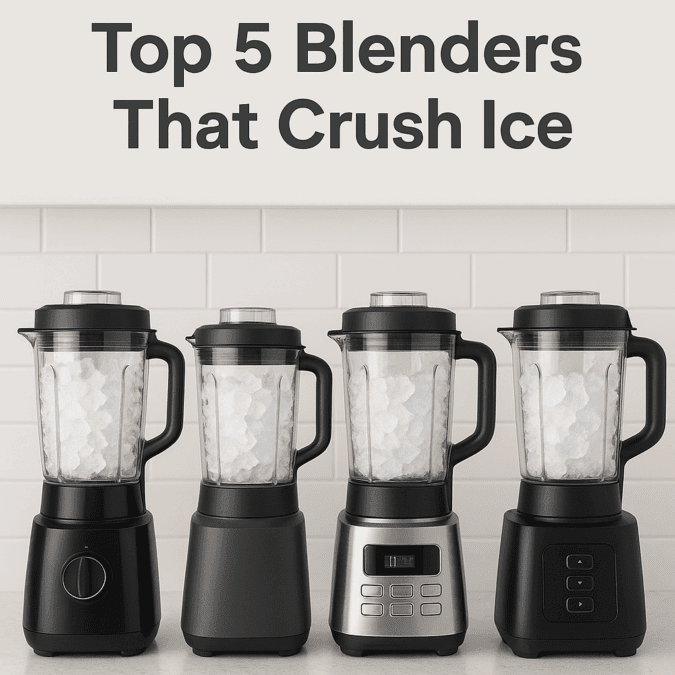
Higher-performance motors and reinforced blades produce smoother results and reduce motor strain. - Hot soups and sauces
Some blenders are designed to handle friction heat safely. Others are not. - Nut butters and thick blends
These require sustained torque, strong blades, and good airflow to avoid overheating.
Understanding these differences helps you avoid paying for features you won’t use — or buying too little power for your needs.
Brand Design Differences That Affect Performance
While many blenders perform similarly on paper, design choices create real differences in daily use.
Brands like Ninja often focus on versatility and modular systems. Vitamix emphasizes motor longevity and consistent blending under load. Blendtec is known for power-forward designs and simplified controls.
These differences influence noise, cleaning effort, durability, and long-term satisfaction more than marketing claims.
Explore Deeper Before You Decide
If you are narrowing down specific models, these resources help at the next decision stage:
- Expert-tested reviews of top blender models — in-depth evaluations focused on durability, real performance, and long-term value
- In-depth head-to-head matchups — side-by-side comparisons that highlight real differences in blending results, noise, cleaning, and lifespan
Use those pages once you know which type of blender fits your needs.
Common Questions When Choosing the Best Blender
What is the quietest type of blender?
Blenders with sound enclosures or vibration-dampening designs are typically quieter. Some high-performance models trade noise for power, while others prioritize balance.
Are heating blenders worth it?
They are useful if you regularly make soups or warm sauces. For smoothie-focused users, a standard high-performance blender is usually sufficient.
Which blenders handle frozen fruit best?
Models that maintain blade speed under load perform best with frozen fruit. Power consistency matters more than peak wattage.
Can one blender handle smoothies, ice, soups, and nut butters?
High-performance blenders can handle all of these tasks. Mid-range models cover most needs but may struggle with very thick or dense blends.
Do plastic or glass jars last longer?
High-quality BPA-free plastic jars resist shattering and are lighter for frequent use. Glass jars resist scratching but are heavier and more fragile.
Choose the Best Blender for How You Actually Cook
The best blender is not the most expensive or most powerful; it is the one that fits your routine, space, and expectations.
This hub exists to help you understand those differences clearly. From there, deeper reviews and comparisons help you make a confident decision that will serve you well for years.
When you are ready, explore the connected blender ecosystem on IMSolutionRealm to go deeper into testing, comparisons, maintenance, and real-world performance insights.