Thick, creamy hummus shouldn’t require extra oil or constant scraping.
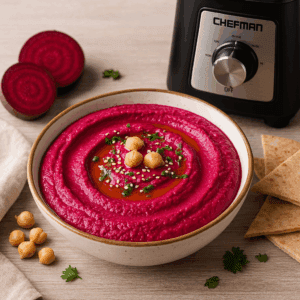
This roasted beet and goat cheese version is designed specifically for high-torque blending.
If your blender struggles with dense dips, this recipe will show you why performance matters.
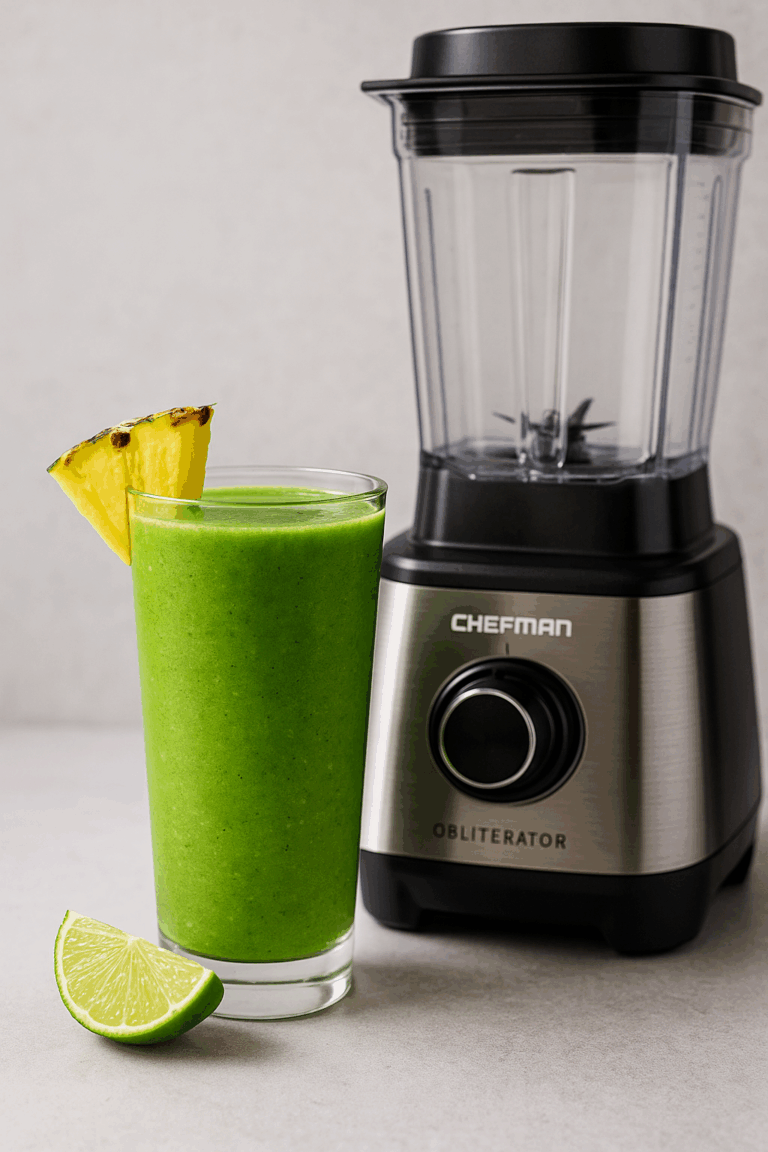
Built for Thick Blends in the Chefman Obliterator
Thick dips expose blender weaknesses fast.
Roasted beets are dense and fibrous. Chickpeas compact under blade pressure. Tahini tightens the mixture almost instantly. Together, they create resistance that reveals whether a motor can maintain real torque.
This roasted beet and goat cheese hummus is engineered specifically for the Chefman Obliterator Blender. It focuses on controlled hydration, stable blade circulation, and minimal overheating risk.
If you’ve ever added too much oil just to keep blades moving, the issue wasn’t your recipe. It was a torque drop under load.
In our real-world blender stress tests, dense spreads consistently separated high-performance units from average countertop machines. If you’re still comparing models, our detailed real-world blender durability and torque performance evaluations show which machines maintain speed when resistance increases.
This recipe produces a smooth, vibrant hummus that holds structure without becoming runny.
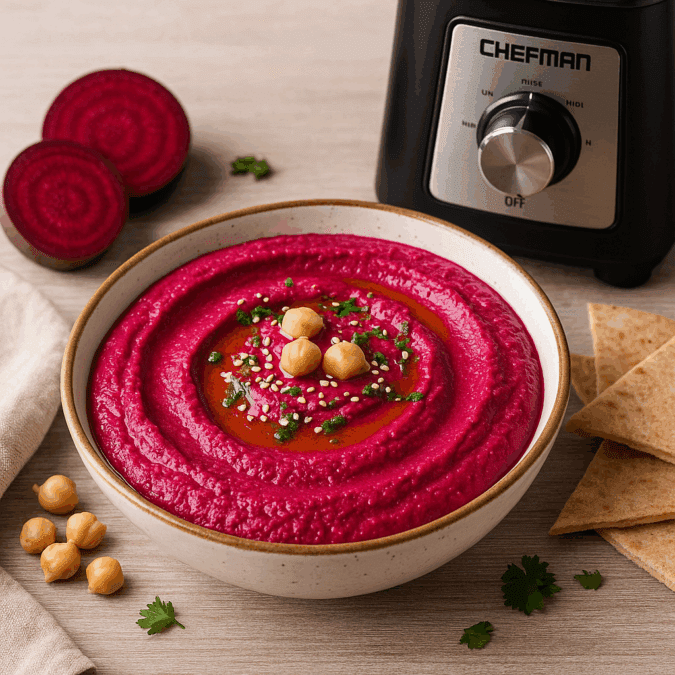
Table of Contents
A High-Torque Hummus for Real Kitchen Use
Smoothies rely on impact and momentum.
Hummus relies on sustained torque.
Lower-powered blenders slow down when thick mixtures compress around the blade. That slowdown causes graininess and uneven blending.
The Chefman Obliterator maintains blade speed because of:
- 1200-watt motor strength
- Multi-level stainless blade stack
- Jar geometry that promotes downward circulation
The result is a creamy dip without excess liquid.

Ingredients (Serves 4–6)
- 1 medium roasted beet, peeled and chopped
- 1½ cups canned chickpeas, rinsed and drained
- 2 tablespoons tahini
- 2 ounces goat cheese (room temperature)
- 1 small garlic clove
- 2 tablespoons fresh lemon juice
- 2 tablespoons olive oil
- 2–3 tablespoons cold water
- ½ teaspoon cumin
- Salt and black pepper to taste
Texture-Focused Substitutions
| Ingredient | Swap | Result |
|---|---|---|
| Goat cheese | Greek yogurt | Lighter finish |
| Tahini | Sunflower butter | Nut-free option |
| Chickpeas | White beans | Creamier base |
| Beet | Roasted carrot | Sweeter tone |
Room-temperature ingredients blend faster and reduce motor strain.
Step-by-Step Instructions
1. Roast the Beet
Preheat oven to 400°F. Wrap the beet in foil. Roast 45–60 minutes until fork-tender. Cool, peel, and chop.
Pre-cooked beets work well. Pat dry before blending.
2. Load the Jar Strategically
Add ingredients in this order:
- Lemon juice
- Olive oil
- Chickpeas
- Beet chunks
- Goat cheese
- Tahini
- Garlic and cumin
- 2 tablespoons water
Liquids at the bottom improve initial blade engagement.
3. Blend in Controlled Bursts
Start on medium for 10 seconds. Increase to high.
Blend 30 seconds. Stop and scrape sides if needed. Blend another 20–30 seconds.
Total blending time should remain under 60 seconds.
Look for a glossy, uniform texture.
4. Adjust Thickness
Add water one tablespoon at a time. Blend briefly after each addition.
Aim for a thick but spreadable consistency.
5. Serve and Store
Transfer to a bowl. Drizzle olive oil. Garnish with goat cheese or sesame seeds.
Refrigerate up to four days.
If you’re building weekly meal-prep recipes around real appliance use, explore more tested spreads and smoothies inside our performance-driven blender recipe collection.
Why Thick Hummus Is a True Blender Test
Dense spreads create friction. Friction builds heat. Heat stresses motors.
Common problems in weaker machines include:
- Blade cavitation
- Air pockets in thick mixtures
- Motor overheating
- Uneven texture
The Chefman Obliterator Blender maintains RPM stability even when hydration stays low.
In our controlled torque and consistency benchmarks, it handled hummus, nut butter, and frozen blends without stalling. You can review full load-testing results in our Chefman Obliterator hands-on performance analysis.
This hummus mirrors those test conditions.
Technique Tips for Ultra-Smooth Texture
Remove Chickpea Skins (Optional)
Rubbing chickpeas in a towel removes loose skins. This enhances silkiness.
Blend in Short High-Speed Bursts
Two shorter runs reduce heat buildup and preserve flavor.
Control Hydration Carefully
Start thick. Add water gradually.
Too much liquid weakens the structure.
Balance Acidity
Lemon brightens the beet earthiness and helps thin the mixture naturally.
Thick Dips vs Frozen Blends: Performance Differences
Frozen drinks stress blades through impact.
Thick dips stress motors through sustained resistance.
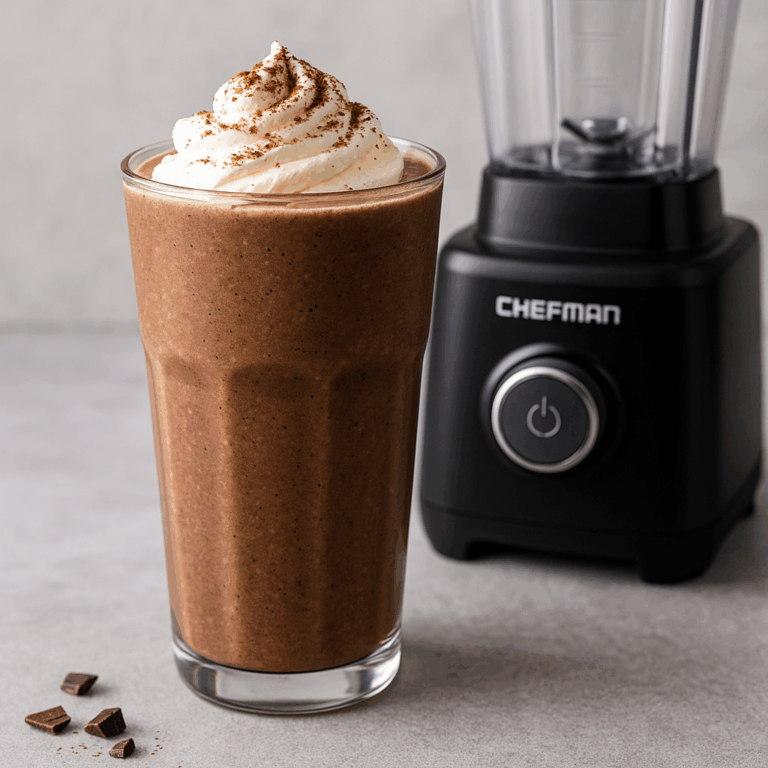
Testing both gives a full understanding of blender behavior. If you want to see how the same motor performs with ice and frozen coffee, compare this to our Chefman Obliterator frozen mocha shake recipe. The texture demands are completely different.
Understanding those differences improves long-term appliance performance.
Storage, Scaling, and Maintenance
Make Ahead
Store in an airtight container up to four days. Stir before serving.
Double Batch Notes
The Obliterator jar supports doubled quantities without airflow issues. Blend 10–15 seconds longer when scaling.
Cleaning After Beet Recipes
Rinse immediately to prevent staining.
Add warm water and one drop of soap. Blend 20 seconds on high. Rinse again.
Proper cleaning protects seals and prevents odor buildup.
Common Search Questions About Making Hummus in a Blender
What blender setting is best for hummus?
Start medium to initiate flow. Switch to high for emulsification. Avoid constant pulsing.
Why is my hummus grainy?
Possible causes include insufficient torque, low blending time, or too little liquid.
Can I make hummus without a food processor?
Yes. High-powered blenders often produce a smoother texture when motor speed remains stable under load.
How do I thin hummus without adding more oil?
Add cold water gradually and blend briefly after each addition.
Does roasting beets improve texture?
Yes. Roasting softens fibers and reduces bitterness, making blending easier.
Building Skill With High-Powered Blender Recipes
Owning a capable blender means learning how it behaves under different loads.
Dense spreads teach:
- Proper jar loading order
- Liquid layering
- Heat management
- Burst blending control
- Texture calibration
Once you master thick blends, lighter recipes become simple.
Skill compounds with repetition.
Final Takeaway
Roasted beet and goat cheese hummus is more than a colorful appetizer. It’s a torque benchmark.
The Chefman Obliterator performs best when challenged with dense, low-hydration recipes. That’s where motor stability, blade geometry, and jar design matter most.
Understanding how your blender handles thick spreads helps you cook smarter and extend appliance lifespan.
Because once your blender masters thick blends, everything else becomes easy.