Blenders that look similar can serve very different purposes. A personal blender may work well for single drinks but become frustrating for family batches. A large countertop blender may handle more demanding recipes but take up too much space for occasional use.
This hub brings together our individual blender reviews and explains the differences between common blender types. You can research full-size countertop models, personal blenders, multi-appliance systems, portable options, and premium machines.
IMSolutionRealm does not operate a product-testing laboratory or claim to physically test every blender covered here. Our reviews examine manufacturer documentation, verified specifications, warranty information, replacement-part availability, retailer information, and recurring patterns in publicly available owner feedback.
Read more about how we research and review products.
Latest Blender Reviews
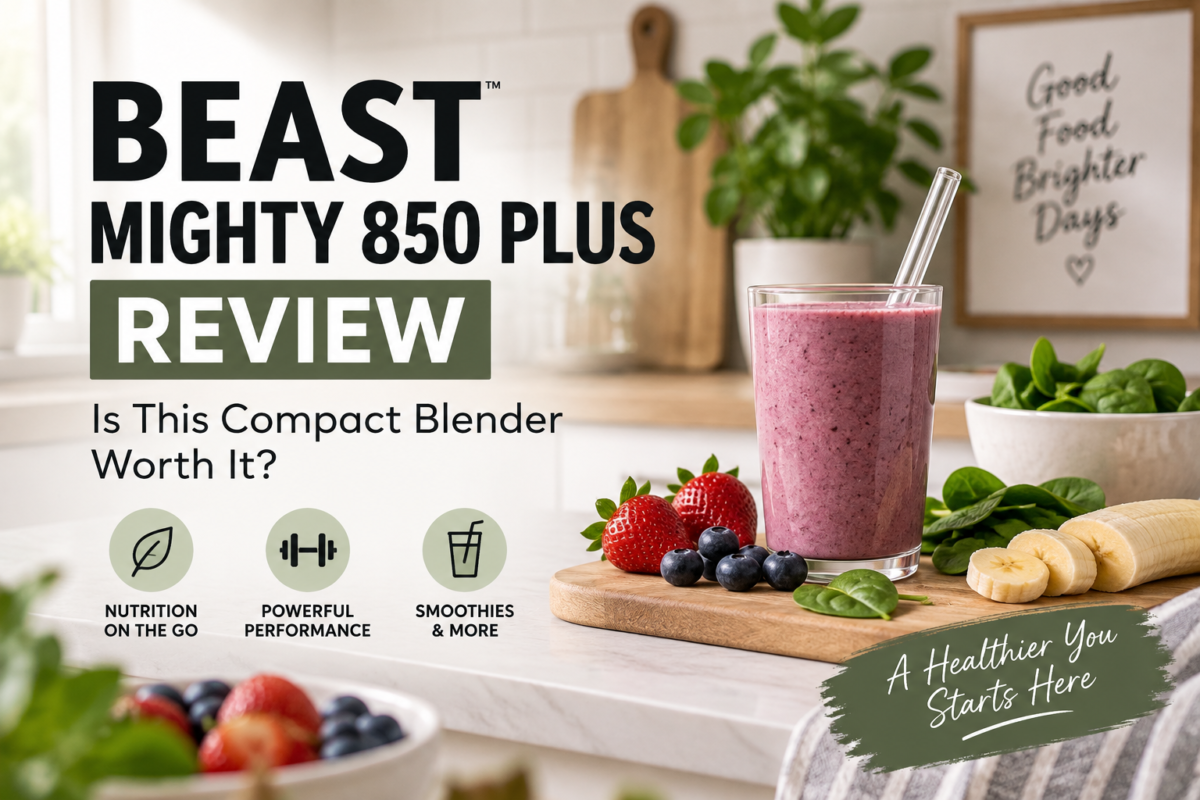
Browse our newest research-based blender evaluations below. Each review examines the exact model’s specifications, controls, capacity, included accessories, cleaning requirements, warranty coverage, replacement-part availability, and important limitations.
Use these reviews when you already have a model in mind. If you are still deciding which type of blender fits your needs, continue to the selection guidance beneath the latest reviews.
Find the Right Kind of Blender
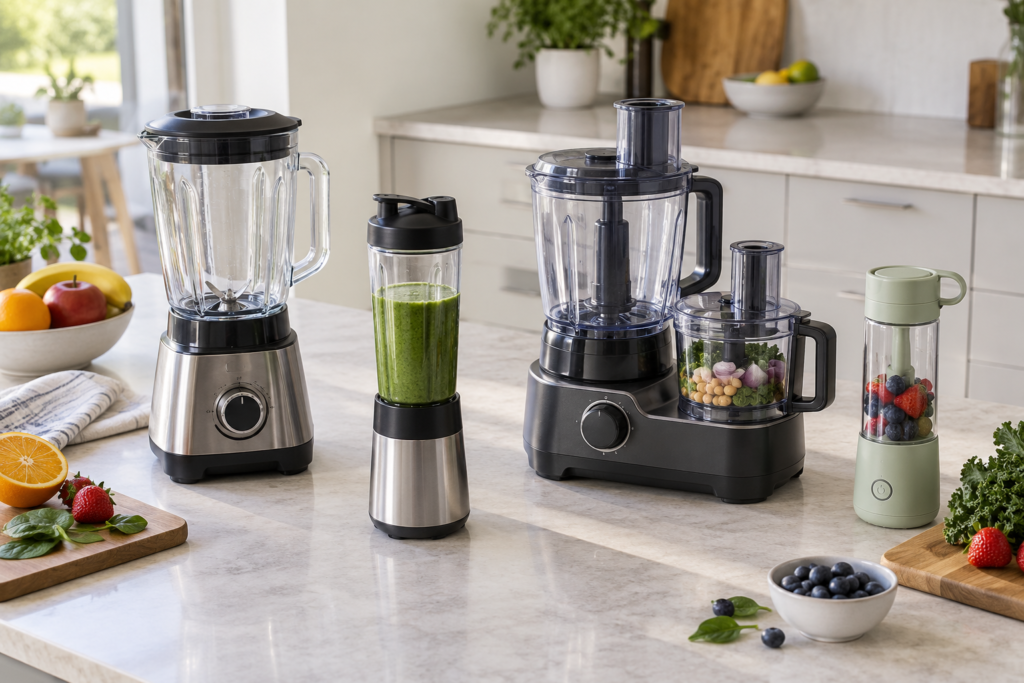
Start with how you expect to use the appliance. Size, capacity, controls, included accessories, cleaning requirements, and manufacturer restrictions can matter as much as power ratings.
A person making one smoothie each morning has different needs from a family preparing several servings. Someone interested in soups and sauces may also need features that do not matter to someone who only makes protein shakes.
Understanding the main blender categories can help you narrow the field before comparing individual models.
Full-Size Countertop Blenders
Full-size countertop blenders generally provide a large pitcher for shared smoothies, frozen drinks, sauces, and meal preparation. They make more sense for households that regularly prepare several servings at once.
Capacity alone does not determine usefulness. Pitcher shape, blade assembly, controls, minimum blending volume, cleaning requirements, and available replacement parts can all affect ownership.
Some countertop models include basic manual controls. Others add automatic programs, smaller blending cups, or specialized settings. Consider whether those additions support tasks you perform regularly.
A large pitcher offers flexibility for batches, but it may not be convenient for single drinks. It also requires more counter and cabinet space than a personal blender.
Before buying, check the appliance’s complete assembled height. A blender that fits on the countertop may still be too tall to use comfortably beneath an upper cabinet.
Personal and Compact Blenders
Personal blenders prioritize smaller portions, simple controls, and cups that can often double as drinking containers. They can suit daily smoothies and protein shakes without requiring a large pitcher.
Their compact size comes with trade-offs. Cup capacity, available accessories, maximum blending time, ingredient-loading requirements, and restrictions involving hot liquids deserve careful attention.
A personal blender should not automatically be treated as a smaller version of a full-size machine. Sealed blending cups may carry different ingredient and temperature restrictions. Some models also need rest periods between cycles.
Consider the number and size of cups included with the blender. Replacement lids, cups, and blade assemblies can affect long-term value, especially when the appliance is used every day.
Compact models also vary in how well they fit into a routine. Some require you to press and hold the cup during operation. Others provide timed programs or separate controls.
Premium and High-Performance Blenders
Premium blenders often combine stronger warranty coverage, broader speed control, and a larger selection of compatible containers and accessories.
The higher price does not make every premium model the right choice. Some households benefit from straightforward manual controls. Others may value automatic programs, digital timers, wireless container recognition, or a shorter container that fits beneath cabinets.
Pay close attention to controls, container compatibility, included programs, warranty length, counter clearance, and the accessories you are likely to use.
A more expensive interface does not automatically improve the tasks that matter to every household. A straightforward blender with manual speed control may provide everything some users need.
Premium models may become more attractive for frequent users if the manufacturer continues to offer replacement containers, lids, tampers, and other parts. However, buyers should confirm compatibility because accessories designed for one product series may not work with another.
Blender and Food-Preparation Systems
Kitchen systems combine a blender with cups, processor bowls, dough tools, chopping blades, or other attachments. They can reduce the number of separate appliance bases stored in a kitchen.
However, a longer accessory list can also mean more parts to clean, organize, and eventually replace. Before choosing a system, consider whether you will use its food-processing functions often enough to justify the added storage.
These products should be evaluated as appliance packages rather than ordinary countertop blenders. Their value depends heavily on which attachments a household will actually use.
Check what comes with the exact model before ordering. Similar systems may use comparable names while including different bowls, cups, lids, blades, and programs.
Also check which parts can go in the dishwasher and which require hand washing. A multifunction system may save time during food preparation while creating more cleanup afterward.
Portable Blenders
Portable blenders emphasize convenience away from the kitchen. Some use rechargeable batteries and allow the blending container to travel with the user.
They should not be confused with corded personal blenders. Battery capacity, charging requirements, container size, blade protection, cleaning instructions, and ingredient limitations matter more than large power claims.
A portable model may suit prepared ingredients and individual drinks. Buyers expecting the capacity or flexibility of a full-size countertop blender should consider the limitations carefully.
Check whether the blender requires a proprietary charging cable and whether replacement containers or lids are available. The locking mechanism and blade protection also matter when carrying the appliance in a bag.
What Our Blender Reviews Examine
Each review begins with the exact model number. Products from the same brand may have similar names while including different pitchers, programs, accessories, or warranty terms.
We consider factors that affect whether the design fits its intended user:
- Container size and included cups
- Controls and automatic programs
- Manufacturer-stated power
- Blade and pitcher configuration
- Cleaning instructions
- Hot-liquid restrictions
- Dimensions and storage requirements
- Warranty coverage
- Available replacement parts
- Recurring themes in owner feedback
Wattage is treated as one specification rather than a final measure of performance. Motor design, blade geometry, container shape, ingredient quantity, and loading order can all influence blending results.
We also separate confirmed information from editorial interpretation. A dishwasher-safe component listed in a manual is a confirmed feature. Whether that feature makes the complete appliance convenient to clean requires more context.
Owner feedback can reveal recurring concerns that may not appear on a product page. However, individual comments are not controlled tests. We look for patterns and compare those reports with available documentation before forming a conclusion.
Reviews, Recommendations, and Comparisons Have Different Jobs
This page helps you locate research about a specific blender model. It does not rank every blender from best to worst.
If you do not have a model in mind, use our Best Blenders guide to narrow your options by blender type and intended use.
That guide addresses the broader question of which blender may fit a particular need. This hub has a different purpose: helping you find a detailed evaluation of a model you already know or are considering.
If you are deciding between two machines, our blender comparisons examine meaningful differences side by side.
An individual review becomes most useful after you have narrowed the field. It can help you confirm dimensions, included components, maintenance requirements, warranty coverage, limitations, and whether the model fits your routine.
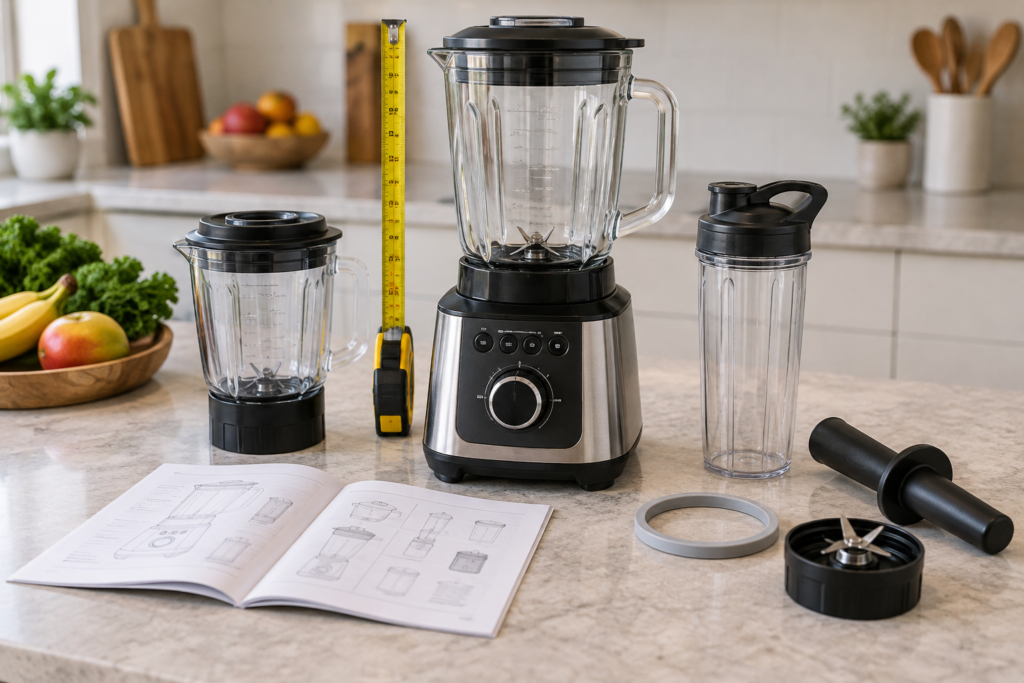
Questions to Answer Before Choosing a Blender
The right blender depends on more than the hardest ingredient you might blend once. Think about the tasks you expect to perform every week.
How much do you normally make?
A travel cup can work for one smoothie, while a larger pitcher suits several servings. Very large pitchers may be less convenient with extremely small amounts, so bigger is not automatically better.
Consider whether you need one container or a combination of a large pitcher and smaller cups.
Will you blend hot ingredients?
Do not assume that every blender can safely process hot liquids. Some manufacturers prohibit hot ingredients in sealed cups or certain pitchers.
Check the manual for the exact model before blending soup, coffee, or heated sauces. A blender capable of warming ingredients through friction is also different from an appliance with a built-in heating element.
How much space is available?
Measure the usable space beneath your cabinets and inside your storage area. Include the container and lid in the total height.
Multifunction systems also need room for cups, blades, bowls, lids, and other attachments. A system that saves space on the counter may still require considerable cabinet storage.
Which controls will you use?
Manual speed control provides flexibility, while preset programs can reduce guesswork for common tasks. Simple controls may be preferable if you only prepare basic smoothies or frozen drinks.
Consider whether additional programs solve a real need or merely increase the product’s price and complexity.
Can worn parts be replaced?
Containers, lids, seals, blade assemblies, and tamper tools may wear or become damaged. Check whether replacements remain available and whether they fit the exact model.
A lower purchase price may become less attractive if one damaged component requires replacing the entire machine.
What does the warranty cover?
Warranty length is only part of the picture. Review which components receive coverage, what exclusions apply, whether proof of purchase is required, and who pays for shipping or service.
Retailer protection plans and manufacturer warranties are separate. Read both before paying for additional coverage.
Use the Reviews as a Starting Point
A blender review should help you understand a model before you spend money. It cannot guarantee how every individual unit will perform or how long it will last.
Confirm the model number, included accessories, current warranty, seller, return terms, and product dimensions before ordering. Retailer listings sometimes combine several configurations on one page, so the selected option may not include everything shown in the main photographs.
Begin with the blender category that matches your kitchen and routine. Then use the latest reviews above to examine the models that remain under consideration.
Researching something beyond blenders? Visit our kitchen appliance reviews and buying guides to explore coffee makers, air fryers, pressure cookers, ice cream makers, knife sets, and other everyday appliances.