Finding the best blender in 2026 can feel overwhelming. With so many models claiming more power, smarter programs, and smoother results, it is hard to know which ones actually perform in daily use.
That is why our blender reviews focus on real-world testing and practical performance. We evaluate popular brands and models to help you choose a blender that fits your cooking habits, budget, and long-term expectations.
Whether you need a high-speed blender for frozen fruit, a reliable option for daily smoothies, or a versatile system that can handle soups and nut butters, our reviews are designed to guide confident buying decisions.
What We Test in Every Blender Review
Specs alone do not tell the full story. Our evaluations focus on how blenders perform where it matters most.
We break down:
- Motor strength and consistency under load
- Blade design and blending efficiency
- Smoothie texture and ice-crushing ability
- Noise levels during real use
- Ease of cleaning and maintenance
- Long-term durability and overall value
Our goal is simple. We help you understand which blenders actually deliver smooth results, not just impressive numbers on a box.
Our Top Blender Reviews
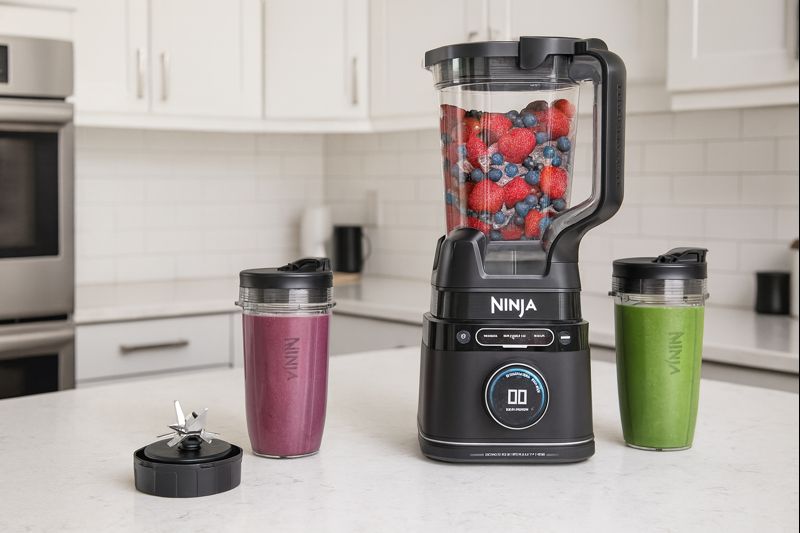
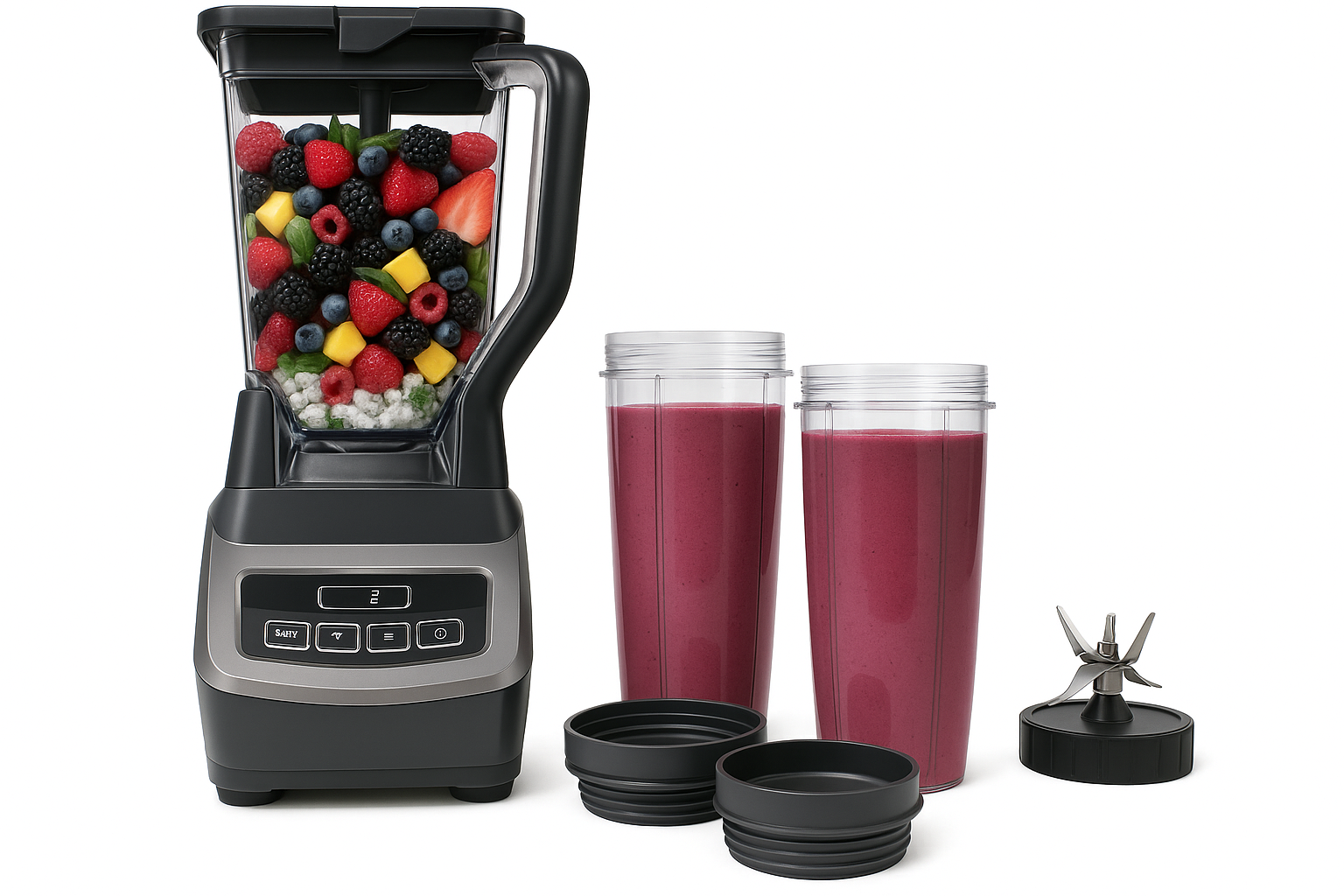
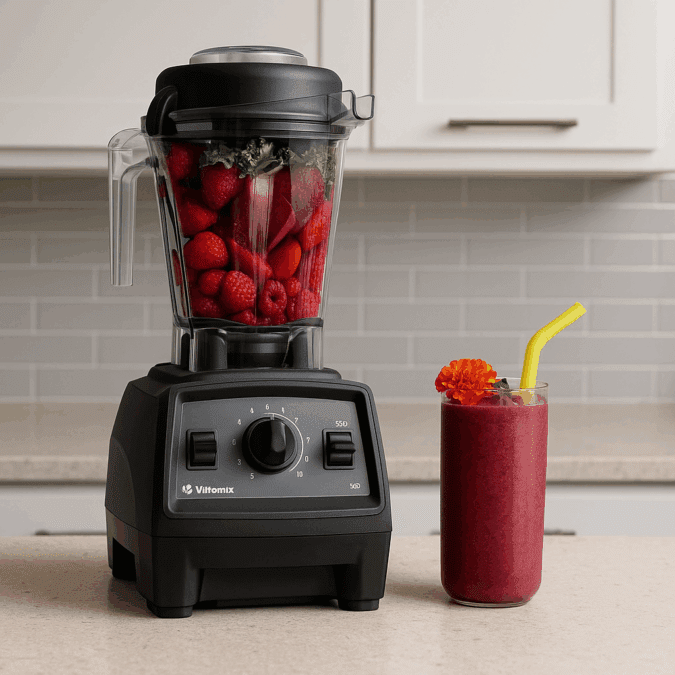
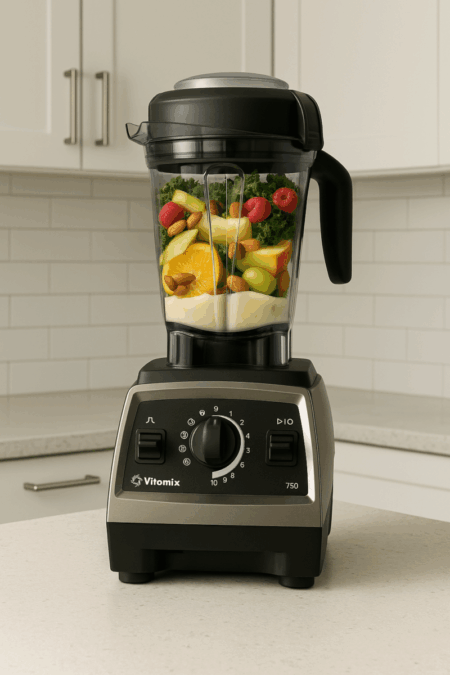
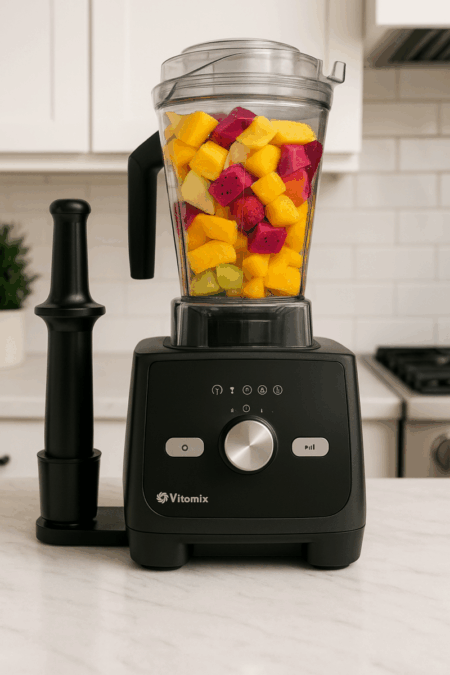
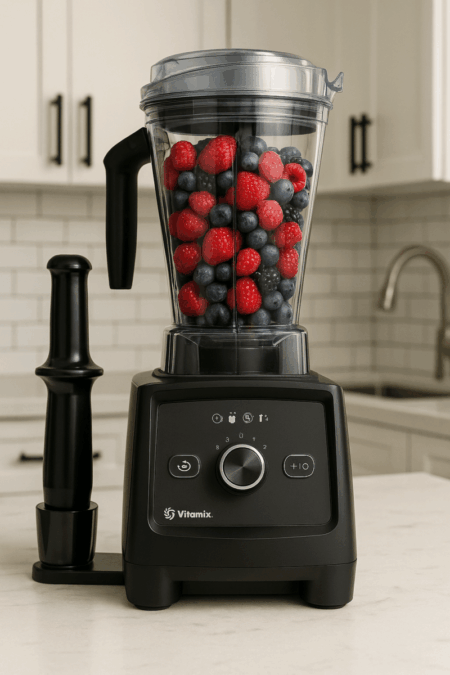
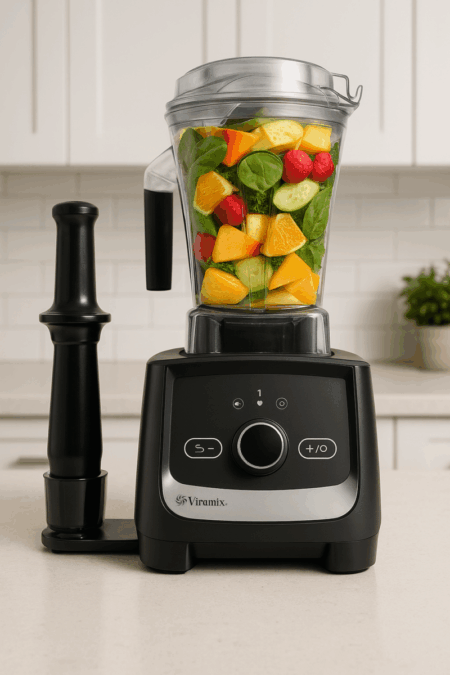
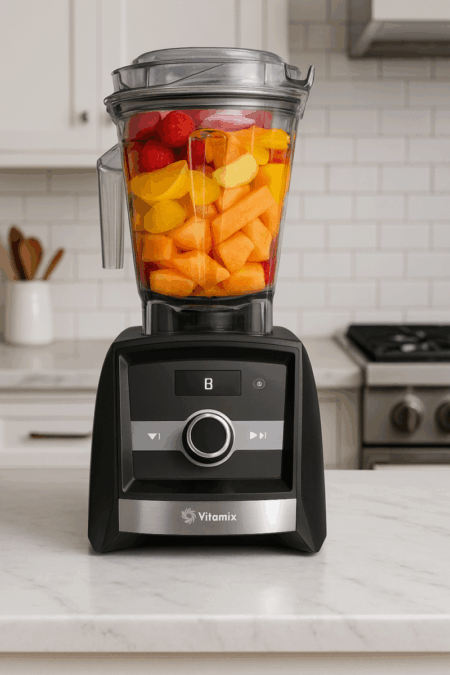
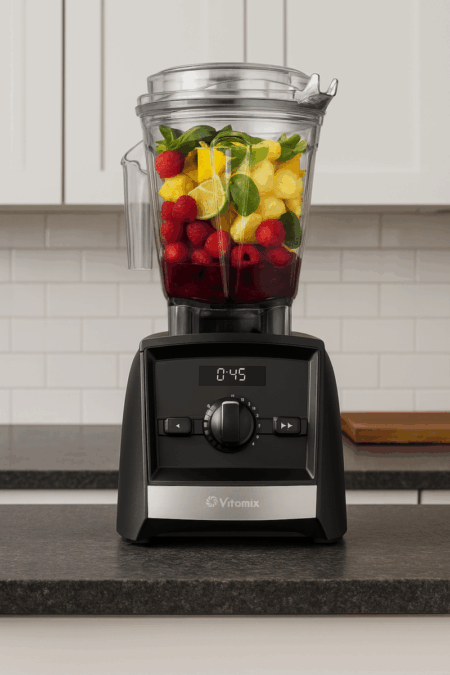
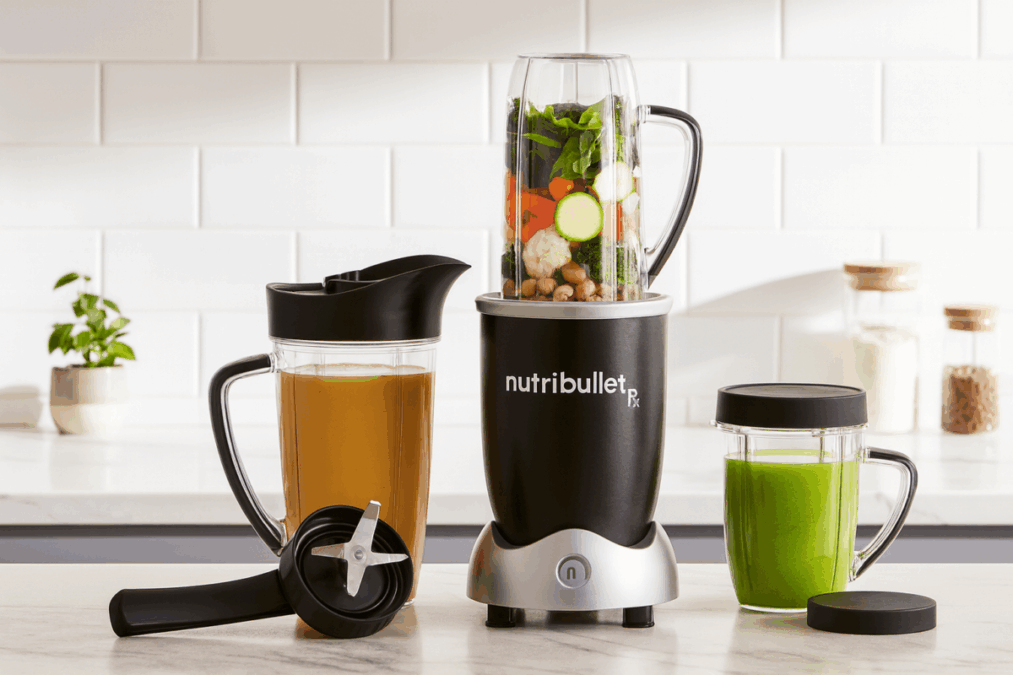
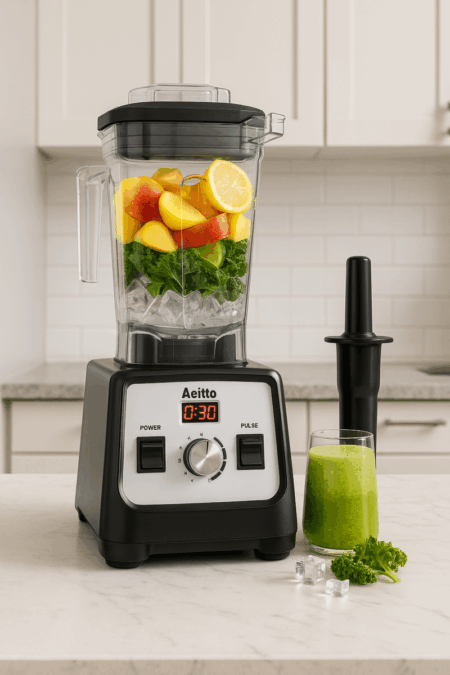
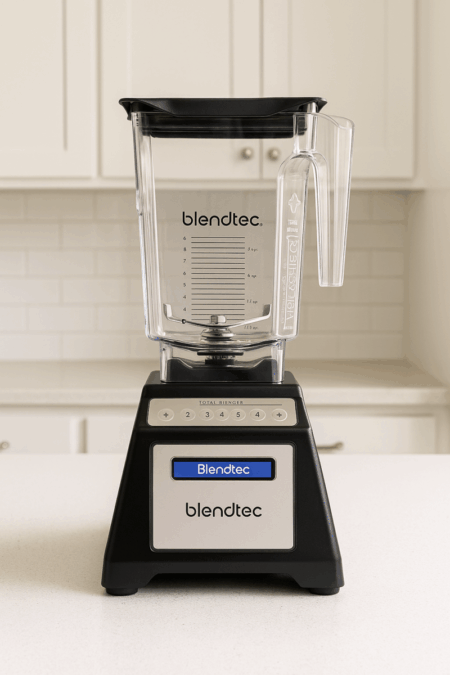
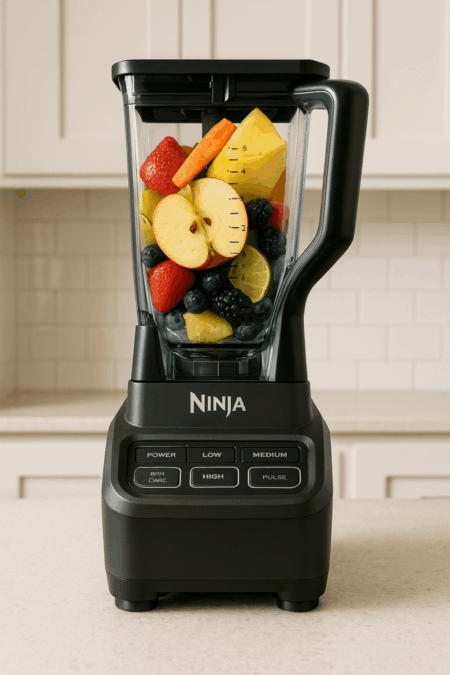
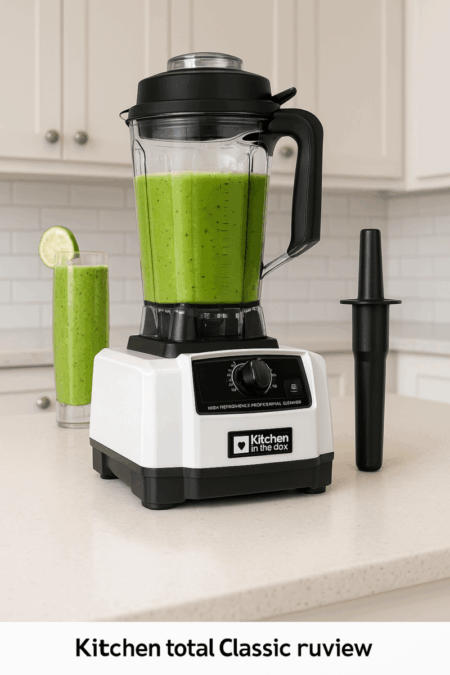
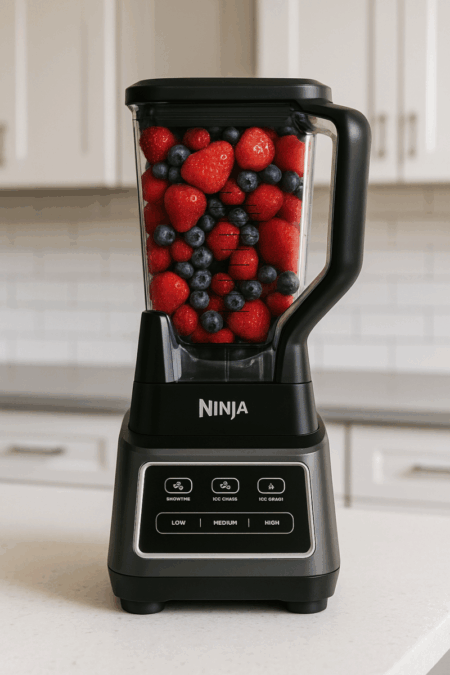
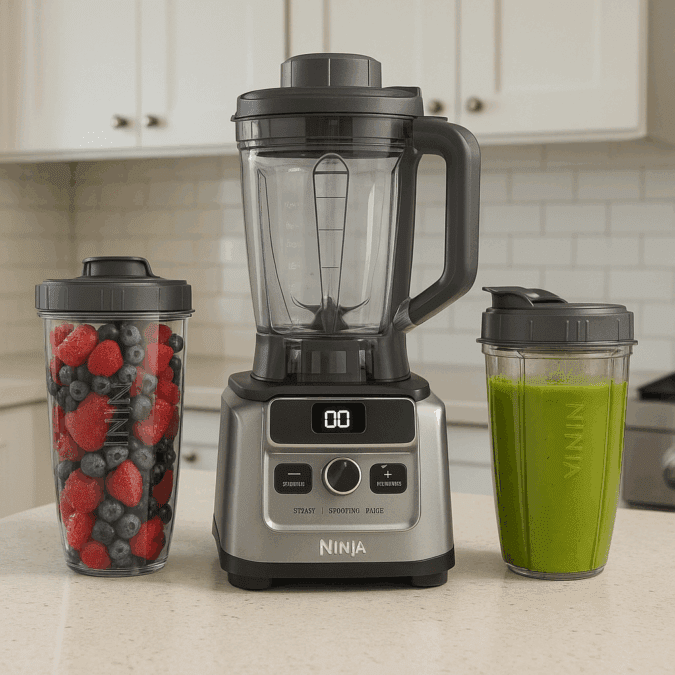
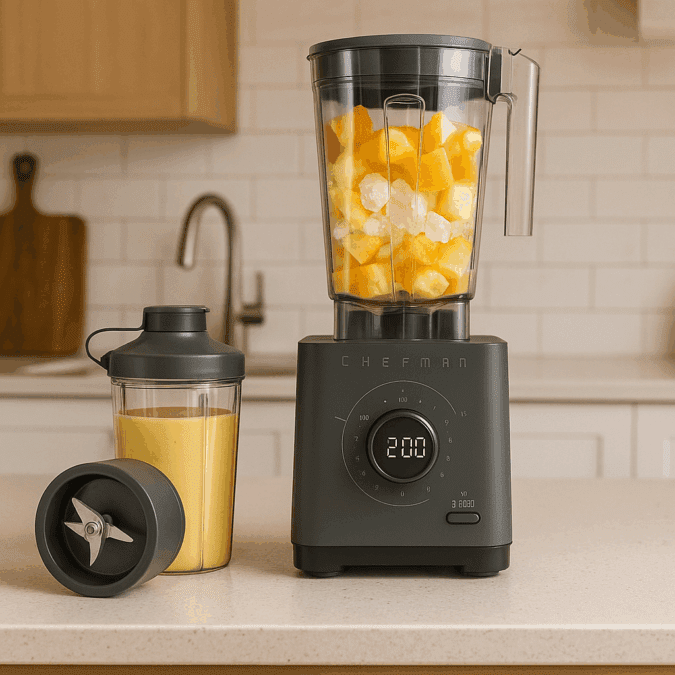
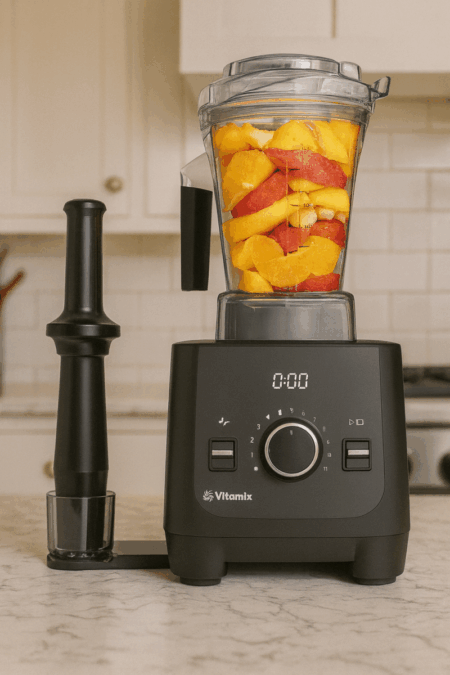
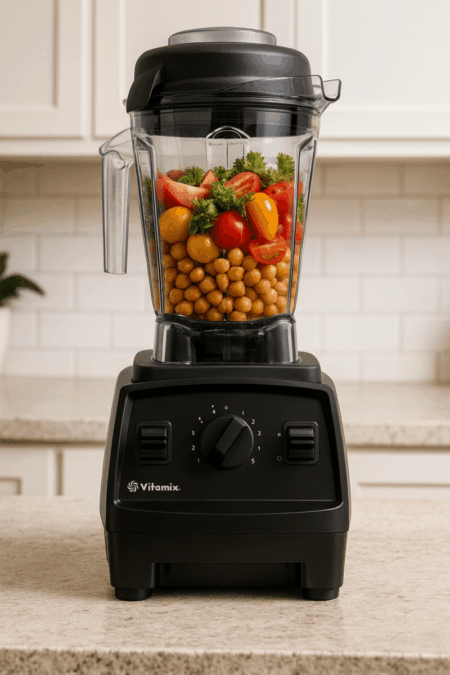
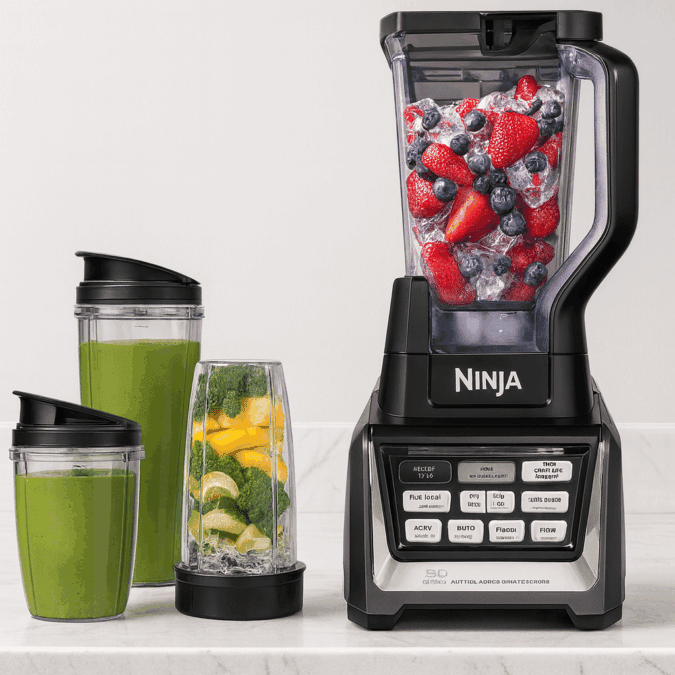
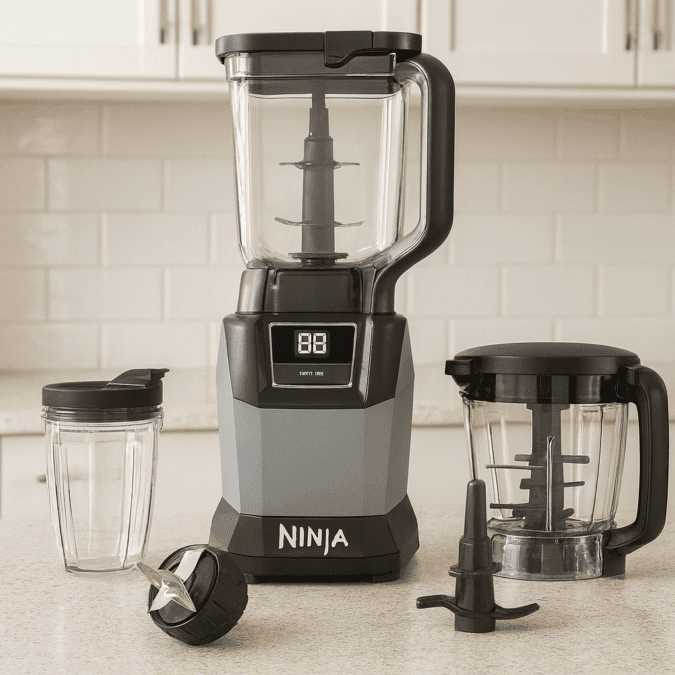
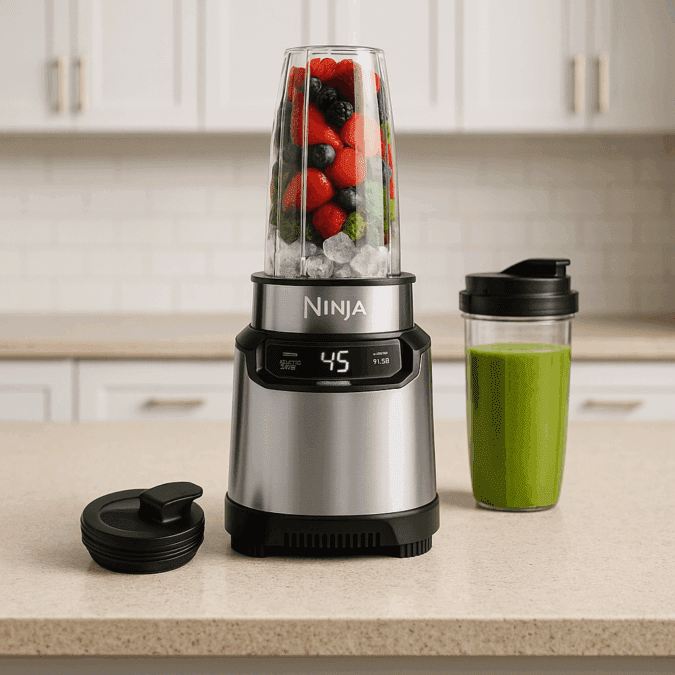
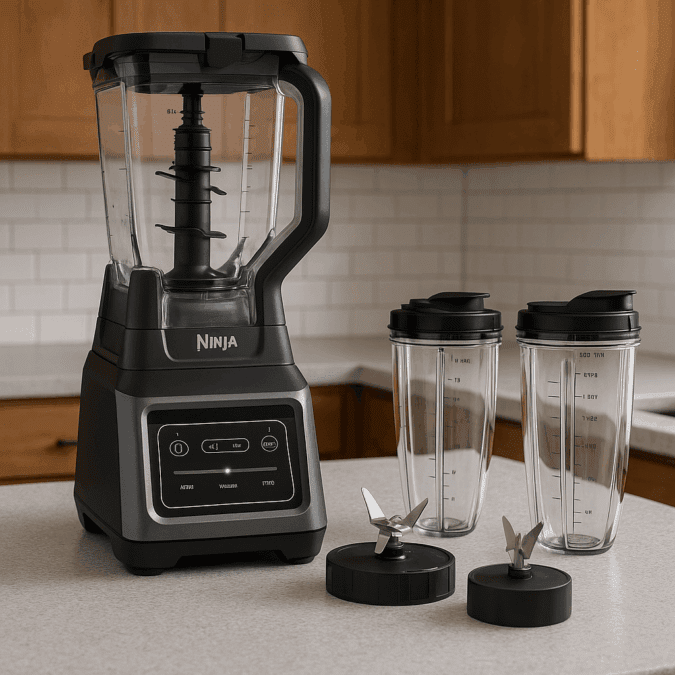
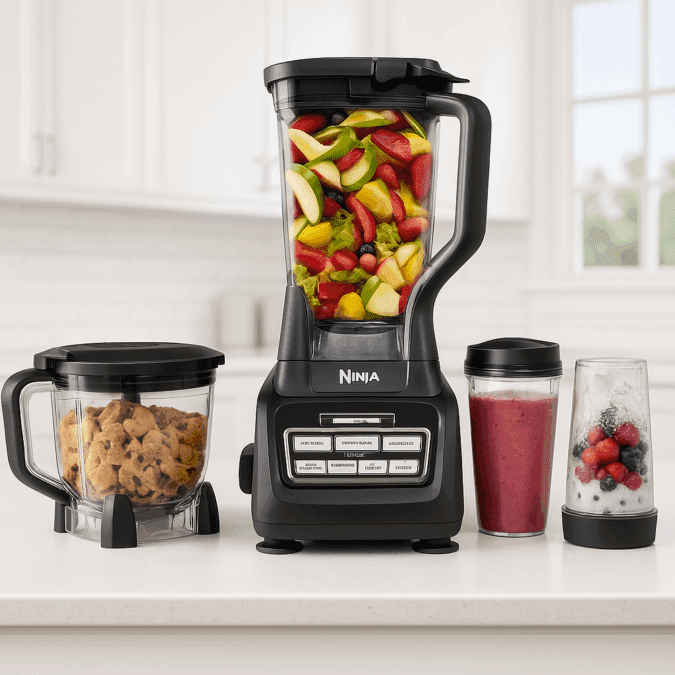
Below, you will find detailed reviews of individual blender models we have analyzed and compared. Each review highlights strengths, weaknesses, and the type of user the blender is best suited for.
These guides are written to help you decide quickly and confidently, without digging through conflicting opinions or marketing claims.
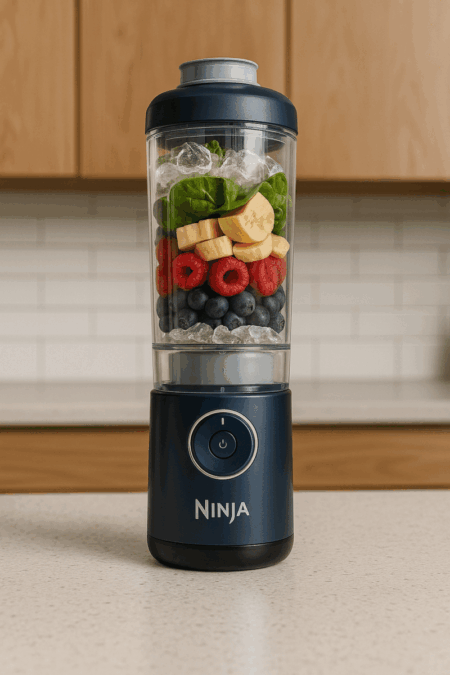
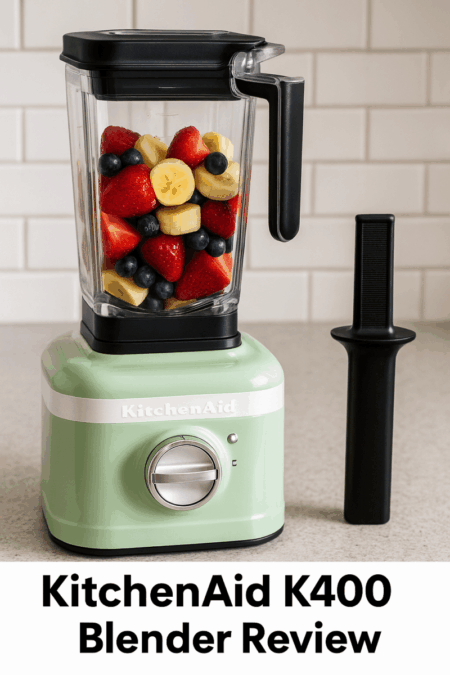
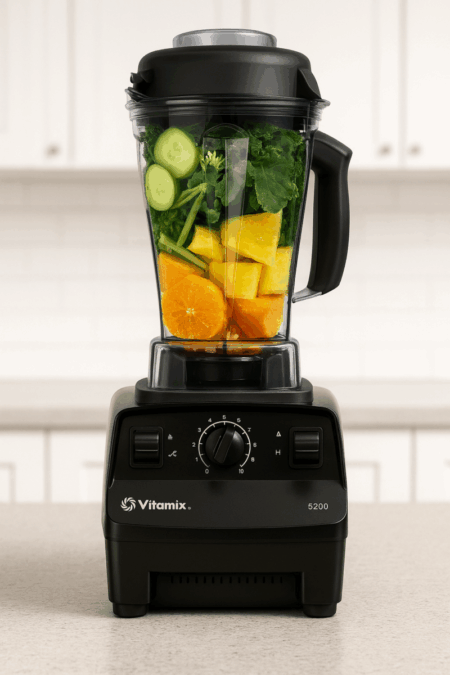
Explore More Blender Resources
If you want to go deeper before choosing, these additional resources help you compare, maintain, and get the most out of your blender.
Each resource below helps you compare options, care for your blender long term, or see how it performs in real recipes.
Best Blenders by Function
Some blenders excel at smoothies, while others are better for soups, frozen drinks, or food prep. If you want recommendations based on how you plan to use your blender, start here.
View top blender recommendations by use case
Blender Comparisons and Head-to-Head Matchups
Choosing between two popular models can be difficult when specs look similar. Our comparison guides break down real differences in performance, noise, and value.
See head-to-head blender comparisons, including popular matchups
Blender Maintenance and Care Tips
A good blender can last for years with proper care. We share practical advice to help you keep your blender running smoothly and avoid common wear issues.
Learn how to keep your blender performing for years
Smoothie and Soup Recipes to Try
Once you choose a blender, putting it to use is the fun part. Our tested recipes help you get consistent results and explore new ideas.
Test your blender with our favorite smoothie and soup recipes
How to Choose the Right Blender for Your Needs
If you are still deciding, these factors can help narrow down the best option.
Main Use Case
Think about what you will blend most often. Smoothies, protein shakes, soups, nut butters, and frozen drinks all place different demands on a blender.
Capacity
Single-serve cups work well for individuals, while family-sized pitchers are better for larger batches.
Motor Power
Blenders with 1000 watts or more handle ice and frozen fruit more easily. Models in the 600 to 900 watt range are usually sufficient for daily smoothies.
Noise and Size
Quieter blenders are a better fit for apartments or early mornings. Always consider counter space and storage.
Budget and Lifespan
Spending more upfront often results in better build quality and a longer usable lifespan, especially for frequent use.
Explore More Kitchen Appliances
If you are researching more than just blenders, our broader kitchen appliance guides cover a wide range of tools for everyday cooking.
Explore our complete kitchen appliance guide for top-rated tools beyond blenders
Common Blender Questions Answered
What is the best blender for 2026?
The best blender depends on how you plan to use it. High-performance blenders are ideal for frozen fruit, soups, and nut butters, while mid-range models work well for smoothies and shakes. The key factors are motor power, blade design, and long-term durability rather than brand name alone.
Which blender handles frozen fruit best?
Blenders with motors rated at 1000 watts or higher handle frozen fruit more smoothly. These models maintain blade speed under load, which helps avoid chunks and uneven textures when blending ice or frozen ingredients.
Are expensive blenders worth the money?
In many cases, yes. Premium blenders are built with stronger motors, higher-quality blades, and better cooling systems. They tend to last significantly longer and deliver smoother results, which often makes them more cost-effective over time than replacing cheaper models every few years.
Can one blender handle everything?
High-performance blenders can handle smoothies, soups, ice crushing, nut butters, and even hot liquids. Mid-range blenders cover most everyday tasks but may struggle with dense or heavy-duty blending like nut butter or thick doughs.
Can blenders really make hot soup?
Yes. Some high-speed blenders generate enough friction heat to warm soup directly in the pitcher. This works best with blenders designed for sustained high-speed blending and heat-resistant containers.
Do glass or plastic blender jars last longer?
High-quality plastic jars are lighter, shatter-resistant, and better suited for frequent use. Glass jars resist staining and scratching but are heavier and more prone to breaking. For daily blending, durable BPA-free plastic is usually the better option.