The best blender is not always the most powerful or expensive model. It is the machine that matches how much you make, which ingredients you use, how much space you have, and how much cleaning you are willing to do.
A large pitcher makes sense for family batches. A personal blender is often more convenient for one daily smoothie. Kitchen systems add food-processing tools, while premium blenders focus more on control, warranty coverage, and long-term parts support.
Our current research picks include the Ninja Detect TB301 for households that want a pitcher and personal cups, the Ninja BN701 for straightforward full-size blending, and the Vitamix Ascent X5 for buyers who want premium controls and extensive automatic programs.
These recommendations come from manufacturer documentation, verified specifications, warranty information, replacement-part availability, current product support, comparisons between similar models, and recurring themes in publicly available owner feedback. IMSolutionRealm does not claim to have physically tested every product on this page.
Readers who already have a model in mind can browse our individual blender reviews and model research.
Affiliate disclosure: This page may contain affiliate links. If you make a purchase through one of these links, IMSolutionRealm may earn a commission at no additional cost to you. Our recommendations remain based on independent product research.
Table of Contents
Our Blender Picks at a Glance
| Blender | Our category | Best suited for | Main limitation |
|---|---|---|---|
| Ninja Detect Duo TB301 | Best overall for most households | Pitcher batches and personal drinks | More components to store and clean |
| Ninja BN701 | Best value full-size blender | Large batches and simple presets | No personal blending cups |
| Ninja BN801 Kitchen System | Best blender and food-processor combination | Blending, chopping and dough preparation | Large accessory collection |
| Ninja TWISTi SS151 | Best for thick smoothies and bowls | Dense single-serve mixtures | Smaller capacity than a full-size blender |
| Vitamix VX1 | Best simple premium blender | Manual control and large batches | Few convenience programs |
| Vitamix Ascent X5 | Best premium blender with programs | Buyers who want automation and control | High purchase price |
| Ninja Blast Max | Best portable blender | Drinks away from the kitchen | Not a full-size blender replacement |
These categories are editorial judgments, not laboratory awards. A different product may make more sense when your budget, space, capacity needs, or preferred controls change.
Best Overall for Most Households: Ninja Detect Duo TB301
The Ninja Detect Duo TB301 is the strongest general-purpose choice for households that want both a full-size pitcher and personal blending cups.
Its main advantage is flexibility. The same motor base can support larger batches and individual drinks, reducing the need for two separate appliances. Ninja’s BlendSense system adjusts certain settings based on the contents and vessel, while manual controls remain available when you want more direct input.
This combination makes the TB301 easier to recommend broadly than a pitcher-only blender or compact personal model. It can serve several people without giving up the convenience of a travel cup.
That versatility also creates its primary drawback. Additional cups, lids, and blade components require more storage and cleaning. Someone who only makes large batches may prefer a simpler pitcher-only model.
Best for: Households that regularly switch between shared batches and personal drinks.
Skip it if: You want the fewest possible components or only use a large pitcher.
Our take: The TB301 offers the most balanced combination of capacity, personal blending, automatic assistance, and everyday flexibility among the models researched for this guide.
Best Value Full-Size Blender: Ninja Professional Plus BN701
The Ninja BN701 is a more focused choice for buyers who want a large pitcher without personal cups or food-processing attachments.
It uses a stacked blade assembly and includes automatic programs for common blending tasks. That design suits larger quantities and frozen-drink preparation, but users must remove and handle the blade assembly carefully during pouring and cleaning.
The BN701 makes the most sense when pitcher capacity matters more than accessory variety. Its simpler package also reduces the number of parts competing for cabinet space.
It is less suitable for someone who regularly prepares one small drink. A large pitcher may feel excessive for a single serving, and the package does not include a personal blending cup.
Best for: Large smoothies, frozen drinks, and shared batches.
Skip it if: You want single-serve cups, variable speed control, or food-processing attachments.
Our take: The BN701 provides a practical middle ground for buyers who want a full-size blender with automatic programs without paying for a larger appliance system.
Read our complete Ninja BN701 review for a closer look at its controls, pitcher, limitations, and ownership considerations.
Best Blender and Food-Processor Combination: Ninja Professional Plus Kitchen System BN801
The Ninja BN801 addresses one of the strongest opportunities in the keyword data: buyers searching for one system that can blend and perform common food-processing tasks.
The package combines a large blending pitcher, personal cups, and a processor bowl. This arrangement can replace several separate appliance bases when the buyer will genuinely use each component.
The processor bowl makes the BN801 more useful for chopping and dough preparation than an ordinary blender. The personal cups also give it more flexibility than a pitcher-only model.
The tradeoff is a large collection of components. You must store multiple containers, lids, blades, and accessories. Cleaning and organizing the system may become frustrating if you only use one or two pieces.
A combination system should not be purchased solely because it includes more parts. Its value depends on whether those parts replace other appliances you would otherwise buy and use.
Best for: Households that want blending, personal cups, chopping, and basic dough preparation from one motor base.
Skip it if: You already own a capable food processor or have limited cabinet space.
Our take: The BN801 is the most practical choice in this guide for buyers specifically seeking a blender and food-processor combination.
Best for Thick Smoothies and Bowls: Ninja TWISTi SS151
Thick smoothie bowls and dense frozen mixtures create a different challenge from ordinary drinks. They contain less liquid and may not circulate as easily inside a conventional pitcher.
The Ninja TWISTi SS151 addresses that problem with a built-in twisting tamper that helps move ingredients toward the blades. Its design focuses more on personal portions and thick mixtures than family-size batches.
This makes the SS151 a better fit for smoothie bowls, spoonable mixtures, and dense personal drinks. It can also suit someone who wants more control over ingredient movement without stopping repeatedly to scrape the container.
The smaller vessel limits how much it can prepare at once. It is not the best choice for serving a family or making large batches of soup and drinks.
Best for: Thick personal smoothies, bowls, frozen mixtures, and smaller portions.
Skip it if: You need a large family-size pitcher.
Our take: The SS151 has a clearer purpose than many general personal blenders. Choose it for dense mixtures rather than treating it as a universal countertop machine.
Best Simple Premium Blender: Vitamix VX1
The Vitamix VX1 is designed for buyers who want a traditional high-performance blender without paying for a large collection of digital programs.
Its controls remain straightforward: variable speed, pulse, and a self-cleaning program. The package includes a 64-ounce container and tamper. Vitamix lists a five-year limited warranty for the model.
The large container supports shared batches, while variable speed control lets the user adjust texture without relying entirely on presets. The tamper also helps with mixtures that do not circulate freely.
At 19.6 inches tall, the assembled blender may not fit beneath every upper cabinet. Buyers should measure their available space before ordering. Its limited number of programs may also feel basic to someone shopping for a premium digital interface.
The official Vitamix specifications list a 64-ounce container, 2.2-horsepower motor, variable speed control, pulse setting, self-cleaning program, and five-year limited warranty.
Best for: Buyers who value manual control, a large container, and a straightforward premium design.
Skip it if: You want numerous preset programs, a short container, or a lower purchase price.
Our take: The VX1 is easier to justify when you want the basic Vitamix experience and do not need the digital features of the Ascent X Series.
Best Premium Blender With Programs: Vitamix Ascent X5
The Vitamix Ascent X5 sits at the opposite end of the premium range from the VX1. It adds a digital interface and ten automatic blending programs, including programs associated with smoothies, frozen desserts, soups, frozen cocktails, and cleaning.
Its 48-ounce container is smaller than the VX1’s 64-ounce container. That can make it easier to accommodate in some kitchens, but households preparing very large batches may prefer the additional capacity of a larger pitcher.
The X5 makes the most sense for buyers who will use its programs and value a more guided interface. Someone who adjusts speed manually may not receive enough additional value to justify its higher price.
Vitamix also supports compatible containers and accessories across parts of its current product range. Buyers should still confirm compatibility before purchasing attachments because not every Vitamix container works with every series.
Best for: Frequent users who want premium construction, automatic programs, and a modern interface.
Skip it if: You prefer basic controls or would not use the additional programs.
Our take: The X5 is the strongest premium automation choice here, but the VX1 provides a more sensible route into Vitamix for buyers who prefer simplicity.
Best Portable Blender: Ninja Blast Max
A portable blender serves a different purpose from a countertop model. Its value comes from cordless operation and a container designed to travel, not from replacing a large kitchen blender.
The Ninja Blast Max uses a removable Twist & Go vessel and includes three Auto-iQ programs. Ninja currently lists smoothie, crush, and blend modes for the model.
Its 22-ounce capacity suits individual drinks, and replacement vessels are available from the manufacturer. That parts availability matters because a portable container and lid receive more handling than a pitcher that stays in the kitchen.
Battery charging and limited capacity remain unavoidable tradeoffs. A portable machine also should not be expected to match the flexibility of a corded full-size blender.
Best for: Individual smoothies and protein drinks away from a regular kitchen setup.
Skip it if: You need family batches, hot ingredients, or a primary countertop blender.
Our take: The Blast Max makes sense as a convenience appliance. It should be purchased for portability rather than treated as the only blender in a busy household.
Blender Buying Guides by Use Case
The right blender also depends on the ingredients and tasks you plan to handle most often. Explore our focused buying guides for protein shakes, personal drinks, soup, frozen fruit, ice crushing, heavy use, and other specific needs.
Each guide examines a narrower group of products than this main Best Blenders page. Use them when one task matters more to you than broad everyday versatility.
Choosing a Blender for Protein Shakes and Smoothies
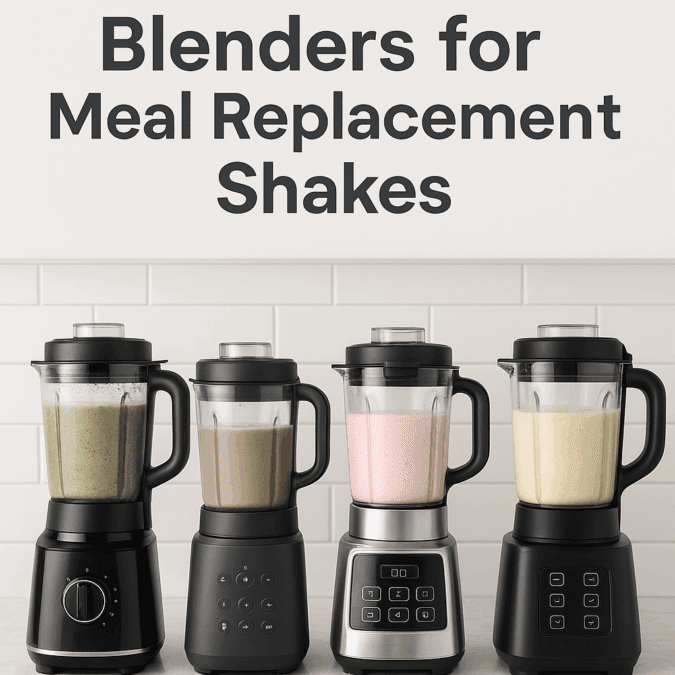
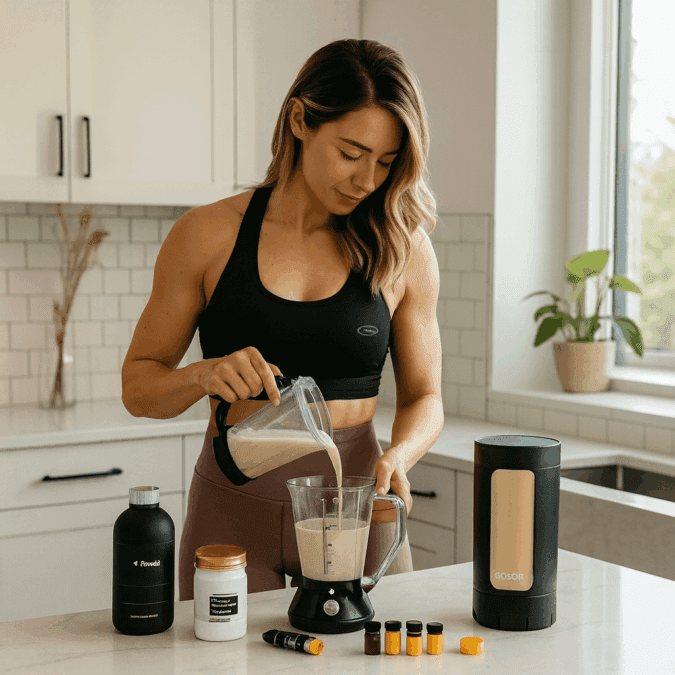
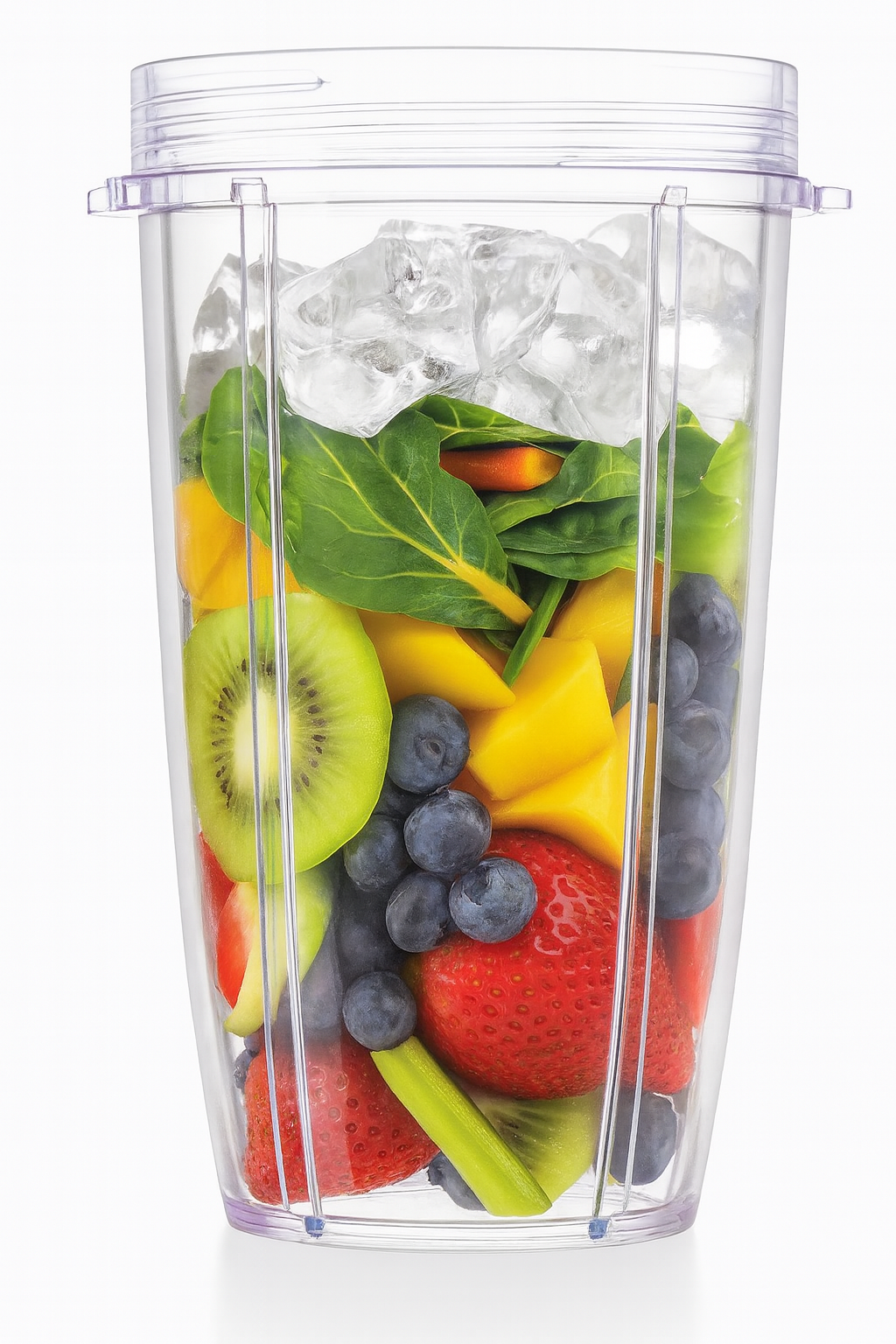
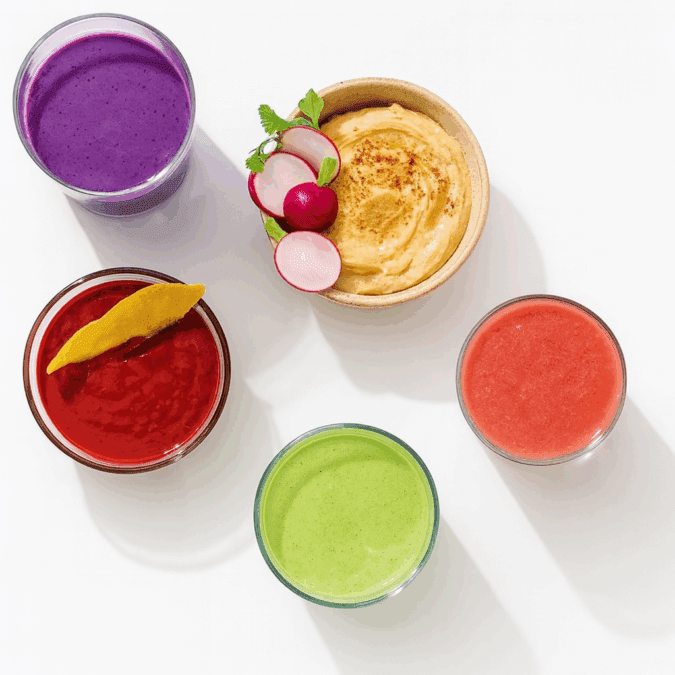
Protein-shake terms represent one of the largest commercial opportunities in our keyword research. The important distinction is whether your drinks contain only liquid and powder or also include frozen fruit, ice, nut butter, oats, and leafy ingredients.
A basic personal blender may be enough for powder and liquid. Frozen ingredients and thicker recipes place more demand on ingredient circulation, container shape, and available blending time.
For individual drinks, consider the Ninja TWISTi SS151 or another capable personal model. For households alternating between personal drinks and shared batches, the Ninja Detect TB301 offers greater flexibility.
Do not choose solely by wattage. Cup size, blade configuration, required loading order, maximum operating time, and replacement-cup availability may have a greater effect on daily convenience.
Dedicated protein-shake and smoothie guides can compare additional options without turning this broad guide into several overlapping rankings.
Choosing a Blender for Ice and Frozen Fruit
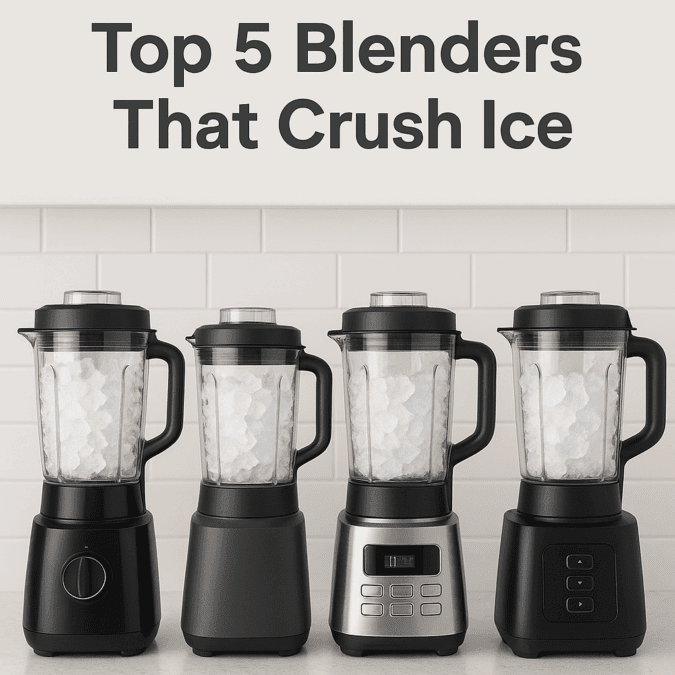
Ice-crushing terms also represent a worthwhile supporting topic. Before crushing ice, confirm that the manufacturer permits it and follow the recommended quantity and liquid guidance. Not every personal or portable blender supports the same ingredients.
A large Ninja pitcher with a stacked blade assembly may suit frozen drinks and larger quantities. Buyers who prefer variable speed and a tamper may lean toward a Vitamix design.
Frozen fruit can create a dense mass when too little liquid is present. Container shape, ingredient order, pulse control, and access to a tamper or similar tool all affect how easily ingredients circulate.
Our recommendations are based on product design and documented capabilities. They are not measurements from a controlled ice-crushing test.
Choosing a Blender for Soup
The phrase “soup blender” can refer to two different kinds of appliances.
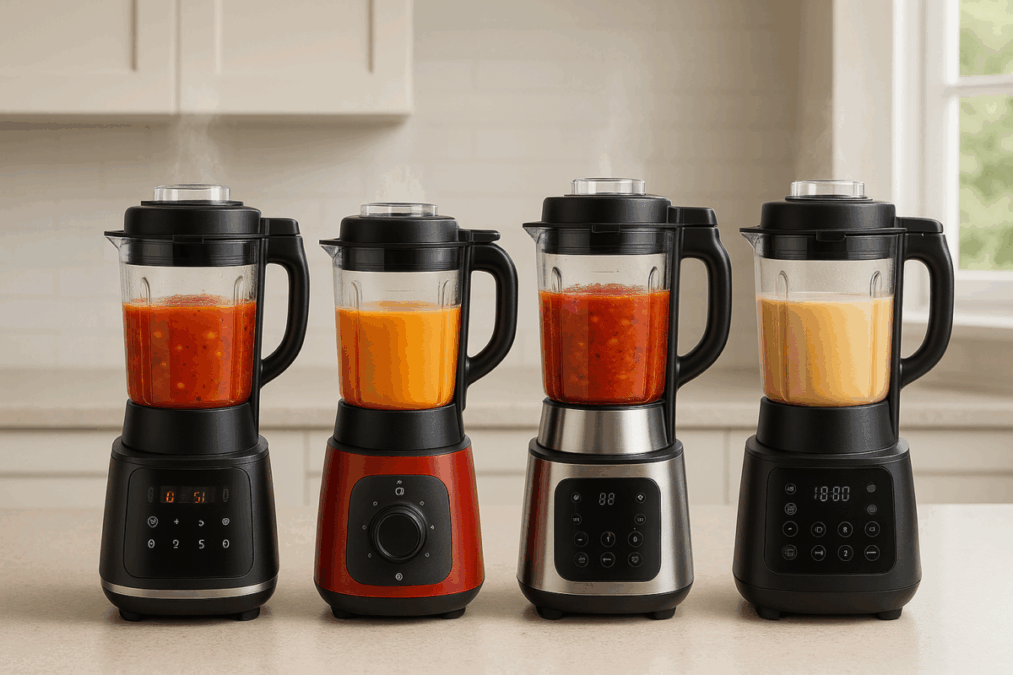
Some countertop blenders use blade friction during extended operation to warm ingredients. Others contain a heating element that cooks and blends inside the same container.
Those designs should not be treated as interchangeable. A friction-heating blender may require ingredients to begin warm or may take time to increase the temperature. A heated soup maker can cook ingredients directly but may offer less flexibility for other blending tasks.
Most importantly, never pour hot liquid into a sealed personal cup unless the manufacturer explicitly permits it. Pressure can build inside an unsuitable container.
Choose a soup blender based on the manufacturer’s temperature instructions, container material, venting design, capacity, cleaning process, and the type of soup you plan to prepare.
Choosing a Blender and Food-Processor Combination
Blender and food-processor combinations attract buyers who want to reduce the number of separate motor bases in their kitchens.
These systems can provide a large pitcher, processor bowl, personal cups, chopping blades, and dough accessories. Their value depends on whether you will use most of those components.
A combination system may be worthwhile when you regularly make smoothies, chop vegetables, prepare sauces, or mix small batches of dough. It becomes less appealing when the processor bowl spends most of its time in a cabinet.
Check whether the included processor uses slicing or shredding discs or only a chopping blade. Appliances marketed as kitchen systems do not always provide the same functions as a full-sized food processor.
Storage also matters. One motor base can save counter space, but the complete system may require more cabinet space than two compact appliances.
What Matters More Than a Large Power Number
Motor ratings provide useful context, but they do not tell the complete story. Manufacturers may express power differently, including peak watts, operating watts, or horsepower.
Consider these factors together:
- Container size and shape
- Blade configuration
- Manual speed range
- Automatic programs
- Tamper availability
- Minimum and maximum batch size
- Hot-liquid restrictions
- Dishwasher guidance
- Warranty coverage
- Replacement containers and blades
- Assembled height and storage requirements
A blender with fewer advertised features may prove more suitable when its controls, capacity, and cleaning routine match your habits.
Power also cannot resolve a poor match between the appliance and the user. A large kitchen system may offer impressive capabilities but remain inconvenient for someone preparing one simple drink each morning.
How We Selected These Blenders
We researched current manufacturer product pages, available manuals, stated specifications, warranty coverage, included components, replacement-part availability, and differences between comparable models.
We also use publicly available owner feedback to identify recurring questions and reported problems. Owner comments provide context, but they do not replace controlled testing and are not treated as proof that every unit will behave the same way.
Product prices and retailer bundles did not determine the editorial categories. They can change frequently and should be confirmed before purchase.
Our complete product research and review process explains how we separate confirmed specifications, manufacturer claims, owner feedback, and editorial judgment.
Narrow the Field Before You Buy
Choose the Ninja Detect TB301 if you want the broadest combination of pitcher and personal blending. Consider the Ninja BN701 when you need a simpler full-size blender. Choose the BN801 when food processing is a genuine part of your weekly routine.
The Ninja TWISTi SS151 is the more focused choice for dense personal mixtures. The Vitamix VX1 suits buyers who want straightforward premium control, while the Ascent X5 makes more sense for those who will use its automatic programs. The Ninja Blast Max serves a separate portable role.
Once you have narrowed your options to two or three models, use our blender comparison guides to examine controls, containers, included accessories, warranties, and ownership tradeoffs side by side.
Before ordering, confirm the exact model number, current package contents, dimensions, manufacturer warranty, seller, return policy, and replacement-part availability.